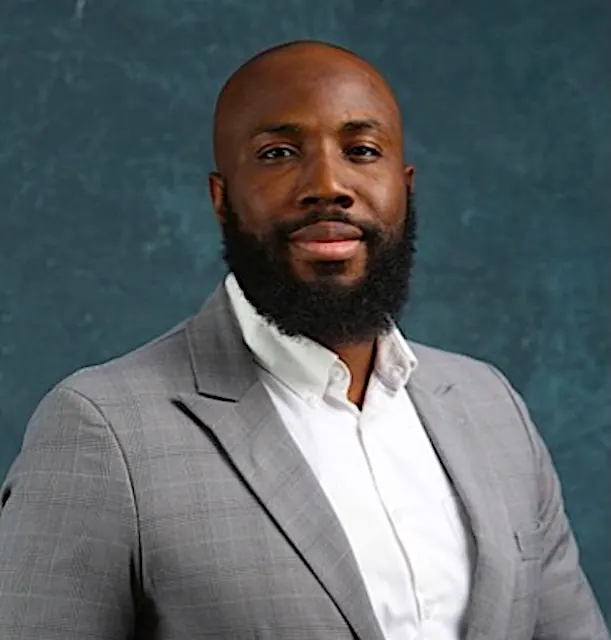
As Aigboje Aig-Imoukhuede marks his 60th birthday, his remarkable career spanning business, philanthropy, public service, and family life is being celebrated. A key aspect of his work is the belief that transforming Africa's public sector requires building a "critical mass" of capable public leaders. This idea is central to his philanthropic efforts, which aim to develop leaders who can build strong institutions and create a lasting impact. Aig-Imoukhuede's work is a testament to his commitment to Africa's development.
The importance of strong institutions in Africa cannot be overstated. Former US President Barack Obama's 2009 message to Ghana's Parliament, emphasizing the need for strong institutions over strongmen, resonated widely. However, the question of who builds these institutions remains. In Nigeria, examples like Dora Akunyili's leadership of NAFDAC and Ifueko Omoigui-Okauru's reforms at the Federal Inland Revenue Service demonstrate the impact of determined public leadership. These successes highlight the need for capable leaders who can drive change.
Research by Joe Abah, in his doctoral thesis "Strong Organisations in Weak States," highlights the distinction between authoritarian strongmen and the strong men and women needed to build strong institutions. Abah's work, as well as that of Tunji Olaopa, chairman of Nigeria's Federal Civil Service Commission, emphasizes the challenge of turning exceptional performance into enduring institutional capability. Olaopa argues that Nigeria's public service reform efforts often struggle to translate into sustained improvements in performance.
Aig-Imoukhuede's investments in public leadership are making a tangible impact through three initiatives delivered in partnership with the University of Oxford's Blavatnik School of Government. The AIG Scholarship enables exceptional Africans to undertake the Master of Public Policy, while the AIG Public Leaders Programme develops serving public officials through learning applied to practical reform challenges. These initiatives aim to develop capable leaders who can drive change in Africa's public sector.
The AIG Visiting Fellowship, another initiative, gives accomplished public leaders space to reflect on their experience and contribute to public policy thinking. This programme has supported leaders like former INEC Chairman Attahiru Jega and former FIRS Chairman Ifueko Omoigui-Okauru. By identifying, developing, and connecting public leadership capability, Aig-Imoukhuede's efforts aim to create a critical mass of capable leaders who can drive transformation in Africa's public sector.
The concept of "critical mass" suggests that enough capable people across government can make effective leadership progressively less exceptional. However, capable people do not operate outside politics, and research on "pockets of effectiveness" shows how political conditions can give reformers room to act. Stefan Dercon's work on development bargains underscores the importance of sufficient commitment among those with power to pursue development.
As Aig-Imoukhuede celebrates his 60th birthday, his legacy is being reflected upon. His wife, Ofovwe Aig-Imoukhuede, describes legacy as "what continues because of them": governance that holds, cultures that survive changes in leadership, and systems that produce results when the leader is no longer in the room. The impact of Aig-Imoukhuede's work will continue to be felt, and his contributions to Africa's public sector transformation will remain a lasting testament to his vision.
Key points
- Aig-Imoukhuede's philanthropic efforts focus on building a "critical mass" of capable public leaders to transform Africa's public sector.