The Independent National Electoral Commission (INEC) of Nigeria has raised concerns over the growing use of generative artificial intelligence to manipulate election-related information, warning that the threat to the credibility of the 2027 general elections is no longer theoretical. According to INEC, advances in artificial intelligence have made it cheaper and increasingly difficult to detect fabricated audio, videos, and images. This development has created new opportunities for highly targeted messages capable of exposing different groups of voters to conflicting narratives.
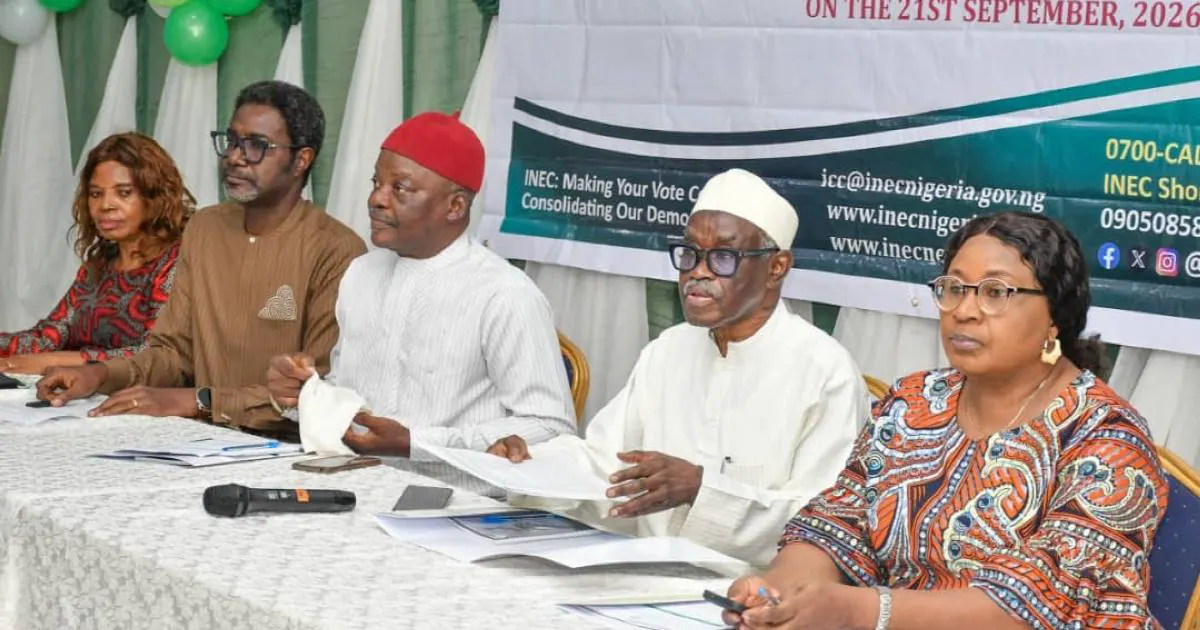
The warning was made by Mohammed Kudu Haruna, National Commissioner and Chairman of the Information and Voter Education Committee, at a capacity-building workshop for INEC Public Affairs Officers in Abuja. Haruna noted that the scale and sophistication of AI-generated content had created a new challenge for election management, particularly in an environment where public confidence can be affected by the speed at which false information spreads. He emphasized that the misuse of generative AI was no longer limited to the production of fake photographs or videos.
Haruna stated that the emerging threat makes verification, rapid response, and consistency in election communication increasingly important as the country moves towards the 2027 elections. He recalled the recent warning by the INEC Chairman, Prof. Joash Amupitan, that electoral credibility now extends beyond the physical processes of voting and result management to the information environment in which voters make decisions. Amupitan stressed that the credibility of an election could no longer depend only on ballot papers, BVAS machines, and result sheets.
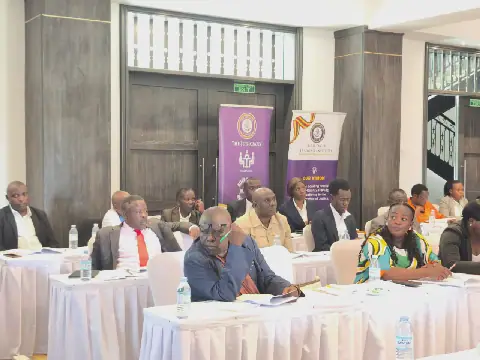
The INEC chairman advocated treating electoral technology and electoral communication as interconnected components of the electoral process. To address these challenges, the Commission has begun a fresh effort to strengthen its communication machinery ahead of 2027, with Public Affairs Officers undergoing specialized training on information verification, misinformation, and disinformation monitoring. The workshop, themed “Strengthening PAOs Capacity for Credible, Verified and Responsible Election Communication Towards 2027,” aims to equip INEC’s frontline communicators with the skills required to counter false narratives.
Haruna described Public Affairs Officers as the frontline communicators of INEC in the states, stressing that the credibility of the Commission’s communication would, to a large extent, depend on the quality and accuracy of information released by officers at the state level. The skills being developed through the workshop would be tested in real-time as the 2027 elections draw closer. The commissioner commended the Voter Education and Publicity Department for designing a practical and skills-based program focused on the communication challenges confronting INEC.
The Director of Voter Education and Publicity, Mrs. Victoria Eta-Messi, emphasized the critical role of Public Affairs Officers in shaping public perception of INEC. She noted that the Commission operates under constant public scrutiny and is regularly confronted with attempts to misrepresent its activities and undermine public confidence. Eta-Messi disclosed that the training was not intended to be a one-off exercise, with additional capacity-building programs already at an advanced stage of planning with the support of development partners.
A key component of the training is the responsible use of artificial intelligence in communication work, including its practical applications, limitations, and safeguards around confidentiality and verification. The renewed focus on AI and election communication comes against the backdrop of INEC’s broader preparations for the 2027 elections, for which the Commission has repeatedly identified public confidence, voter education, and the integrity of election information as critical components of the electoral process.
Key points
- INEC warns of AI threat to 2027 election credibility
- Commission begins fresh effort to strengthen communication machinery
- Public Affairs Officers undergo training on information verification and responsible AI use