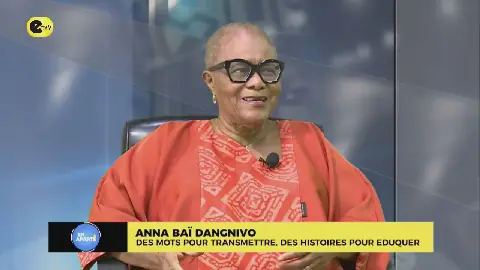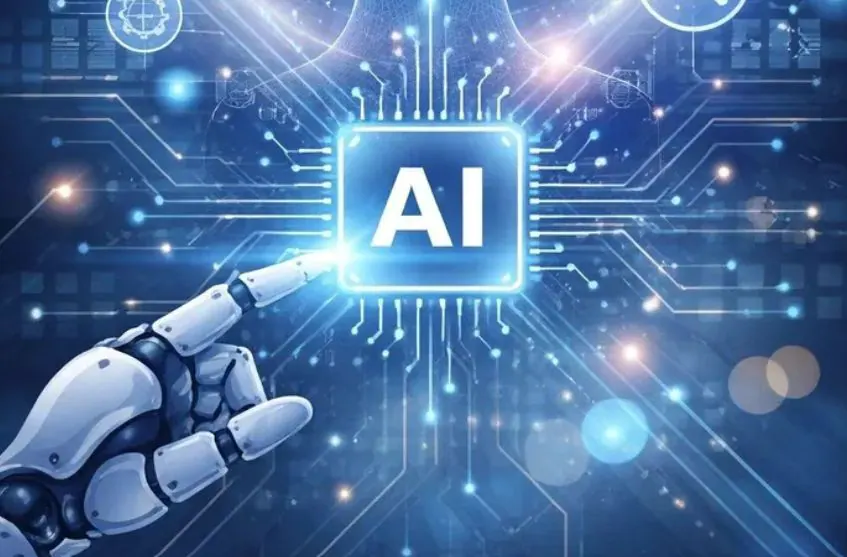
The integration of Artificial Intelligence in education has become a growing challenge for educators, as they seek to utilize technology without weakening critical thinking. According to Dr. Nomfundo Kakaza, AI in education should enhance teaching and learning, not compromise it. The University of KwaZulu-Natal's vision is to become an "African Scholar," and its mission is "to engage critically with society." This mission is impossible if AI takes over reasoning and judgement.
Dr. Kakaza attended an international virtual session organized by the University of KwaZulu-Natal, where a presenter noted that "AI will not replace you; rather, people who are more knowledgeable than you on AI will replace you." With her limited knowledge of AI, Dr. Kakaza has been able to use AI to produce impressive results, such as creating a training schedule for short-term executive courses. She emphasizes the importance of empowering oneself with AI by gathering information and learning how to phrase prompts effectively.
The University of KwaZulu-Natal has developed guidelines on the use of AI in academia, allowing students and academics to use AI ethically and with integrity. These guidelines require users to verify AI-generated information with valid reference sources, a requirement that existed before AI. This is crucial because AI-generated information may not provide reliable sources, and it is the user's responsibility to find and acknowledge them.
Another reason to verify AI-generated information is that AI can sometimes produce incorrect information, a phenomenon known as "hallucination." AI systems can express uncertainty or indicate that they do not know, but they can also produce incorrect information confidently. Therefore, it is essential to verify AI-generated information to ensure accuracy.
Dr. Kakaza suggests that instead of asking AI to generate information, users can feed AI with information and ask it to refine and improve it. This approach allows users to detect mistakes and pick up on errors. Additionally, AI can be used to simplify complex information for better understanding, but users must be knowledgeable about the subject matter to detect any errors.
The integration of AI in education also requires a rethink in assessment methods. Assessments must be designed to be resistant to AI-generated responses, and educators must ensure that students do not outsource their thinking to AI. Authentic, real-world assessments, such as investigating an existing company's supply chain, can make it harder for students to rely on AI-generated responses.
Oral assessments are gaining renewed value in the era of AI, as they allow examiners to probe students' understanding in real-time and distinguish genuine comprehension from AI-generated competence. Class participation is also carrying more weight, and there is growing discussion about introducing oral defenses of doctoral theses. Dr. Kakaza's views on AI in education highlight the need for a balanced approach that leverages the benefits of AI while preserving critical thinking.
Key points
- AI can enhance higher education but must not replace critical thinking.
- Educators must develop new assessment methods that are resistant to AI-generated responses.
- Students and academics must verify AI-generated information with valid reference sources.