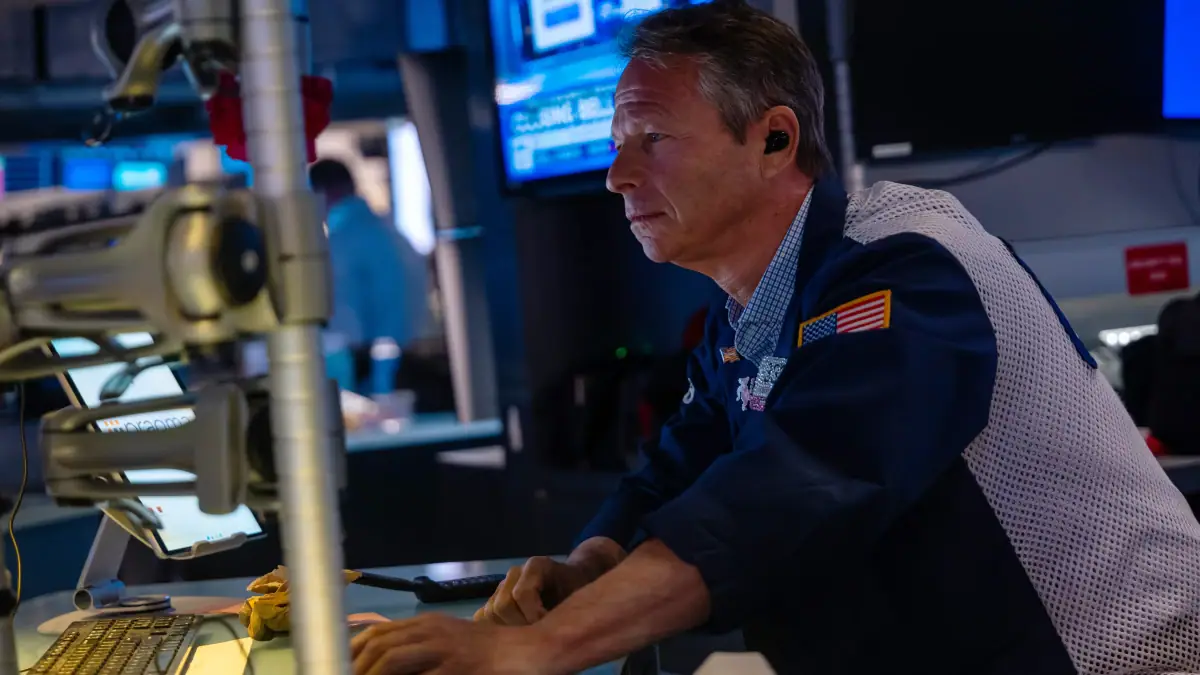
The AI sector, which has driven markets to record highs, experienced a significant downturn recently. The tech-heavy Nasdaq dropped 10% for the week, its worst performance since the COVID-19 pandemic lockdowns in March 2020. The S&P 500 and the Dow Jones Industrial Average also entered a correction, with a 10% drop from their recent highs. This decline has raised concerns about the sustainability of the AI trade.
The stock market debut of AI giant Anthropic, which gained 17% on its debut, ended up slumping more than 8% to close near its IPO price on Friday. Investors had hoped for a boost from the debut, but instead, the entire stock market got pummeled. The decline is attributed to weeks of building fears about the AI sector's sustainability. The Federal Reserve's interest rate hike in September has made borrowing more expensive for AI companies.
The AI sector faces additional challenges, including a tougher regulatory approach from Democrats, who took over both chambers of Congress in the midterm elections. Democrats also won gubernatorial races in states crucial to data center build-out, such as Texas. Furthermore, Nvidia, the top AI chip company, has faced turmoil, with its CEO Jensen Huang resigning amid allegations of an affair with a woman suspected of spying for China.
Hank Smith, head of investment strategy at Haverford Trust, believes it's unlikely the markets will recover quickly. He thinks AI could fall "out of favor" through next year, taking time to heal. Smith notes that the AI trade is being powered by top companies like Meta and Apple, but there are concerns about whether investors will see sizable returns.
Some fear that the AI sector could be in the middle of a bubble that is bursting, similar to the dot-com bust of 2000. However, Smith argues that this time, the AI trade is backed by established companies with strong prospects. Nvidia, despite its leadership shake-up, posted strong results recently. The future prospects for AI, Smith said, are "not based on a pie in the sky."
The interconnectedness of AI companies has raised concerns about a potential chain reaction if one or two companies run into trouble. Nvidia, for example, owns shares in other big AI companies like Anthropic and lends money to them. This circular system of financing involves lesser-known companies like CoreWeave, which are borrowing heavily to build out data centers.
If the AI boom falters, it could have significant consequences for the economy. The US economy has effectively become an AI economy, with AI investments contributing to a 3.4% annual growth rate in the recent quarter. AI-related stocks have become an integral part of broader markets, accounting for a substantial portion of the S&P 500. A decline in the AI trade could have a ripple effect far beyond the high-tech world.
Key points
- AI-related stocks have plummeted, sparking fears of a potential bubble burst.
- The AI sector faces challenges, including a tougher regulatory approach and higher interest rates.
- The interconnectedness of AI companies has raised concerns about a potential chain reaction.