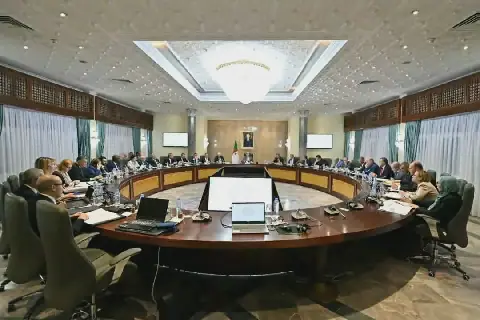
On November 19, 2026, Ahmed Ibrahim, Ghana's Minister for Works, Housing and Water Resources, addressed the Institution of Engineering and Technology Ghana's 40th Annual General Conference and Induction Ceremony. He emphasized the need for merit-based contract awards for government projects, warning against political interference that often leads to project delays and failures. According to Ibrahim, such interference has plagued projects like the Agenda 111 hospital and E-blocks.
Ibrahim shared his experience of consulting officials and colleagues on challenges affecting project delivery. He was advised to prioritize technical and financial capacity over political considerations when awarding contracts. A colleague from the NPP reportedly suggested that political polarisation should be avoided, and contracts should be given to capable contractors. This informed Ibrahim's decision to introduce measures improving the implementation of the 24-hour economy markets initiative.
A key policy introduced by Ibrahim involves not paying mobilisation fees upfront to contractors. Instead, payments are made based on work completed, and contractors who fail to deliver face contract cancellations. This approach aims to tie public funds to actual project progress and hold contractors accountable. Ibrahim's policy change seeks to address issues with contractors collecting mobilisation payments without showing up at project sites.
The Minister called on engineers to play a stronger role in ensuring government projects meet professional standards. He urged them to resist political pressure and prioritize technical competence, accountability, and quality in infrastructure delivery. Ibrahim emphasized the critical role engineers play in national development, particularly in planning, designing, constructing, and maintaining infrastructure across various sectors.
Ibrahim encouraged engineers to take leadership in establishing and managing engineering companies, rather than leaving the sector to business interests lacking technical expertise. He also urged engineers to adopt emerging technologies like artificial intelligence, digital engineering, and smart infrastructure systems to enhance productivity and project delivery. Collaboration between experienced and younger engineers was encouraged to combine traditional knowledge with modern skills.
The Minister stressed the importance of continuous learning and specialisation for engineers, highlighting that their professional value lies in solving practical problems. He emphasized that integrity, accountability, diligence, and adherence to professional standards are crucial in engineering practice, given the direct implications of engineering decisions on public safety and infrastructure quality.
Ibrahim's remarks underscore the need for a more professional and accountable approach to government project implementation in Ghana. By prioritizing competence and merit in contract awards and promoting a culture of accountability among contractors and engineers, the government aims to improve the delivery of infrastructure projects and ultimately support the country's economic growth and development.
Key points
- The Minister for Works, Housing and Water Resources, Ahmed Ibrahim, has introduced policy changes to address challenges in government project implementation, including not paying mobilisation fees upfront to contractors.
- Ibrahim emphasized the critical role of engineers in ensuring that government projects meet professional standards and urged them to resist political pressure.
- The Minister encouraged engineers to adopt emerging technologies and collaborate with younger professionals to enhance productivity and project delivery.