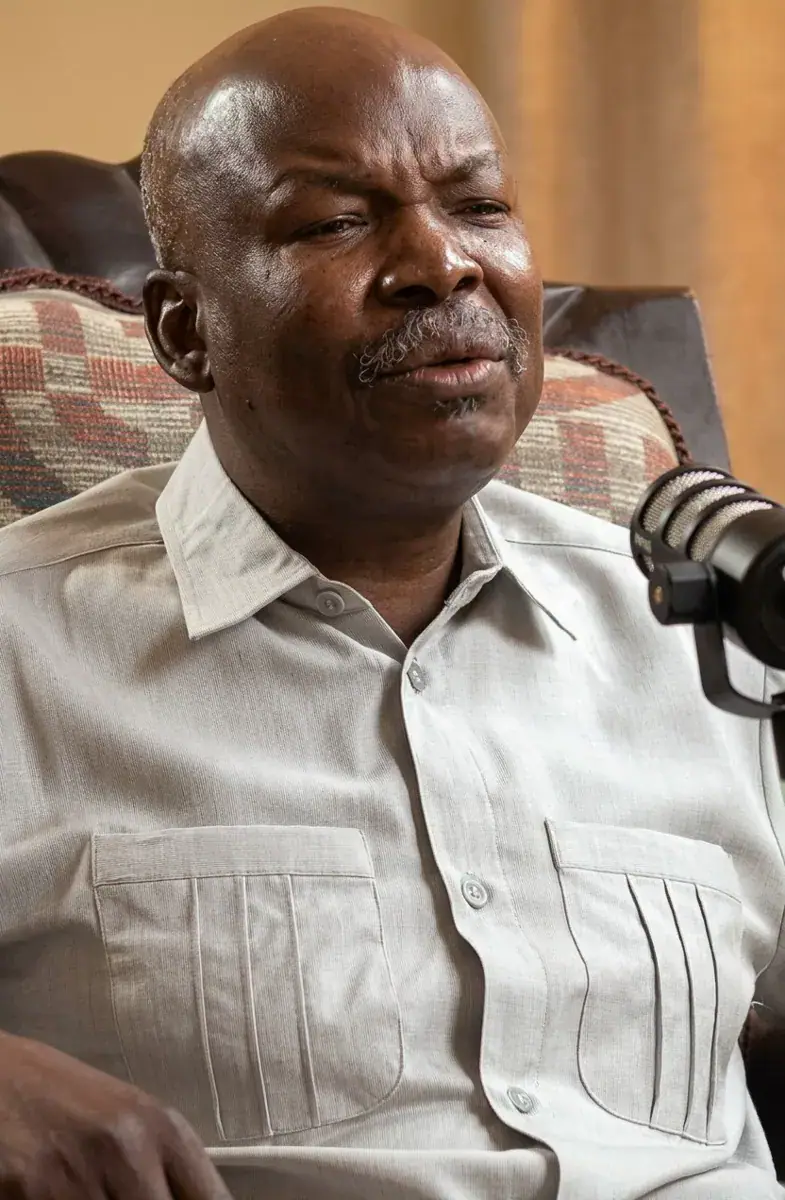
Sudan's National Congress leader Ahmed Haroun has stated that there is no organizational or membership relationship between his party and Transitional Sovereign Council head Abdel Fattah Burhan. Haroun emphasized that the party's stance towards Burhan is guided by the current war and its risks to the Sudanese state. He noted that the priority now is to preserve the state and prevent the collapse of its institutions.
Haroun described the relationship between the National Congress and Burhan as not fitting traditional notions of a ruling party and an opposition party. He likened the situation to a group of passengers on a cracking boat who must work together to save it from sinking, rather than engaging in political differences. This perspective is based on the exceptional circumstances the country is facing.
The National Congress leader highlighted that the party's position on Burhan is tied to the current war and the need for unity in the face of threats to the state. He stressed that political and executive differences have become less important compared to the challenges facing the country. Haroun called for transcending narrow party interests to address the current situation effectively.
Haroun also addressed his personal relationship with Burhan, stating that Burhan was not part of the security committee that made the April 11, 2019 decisions that led to the ousting of former President Omar al-Bashir. He denied any personal animosity towards Burhan, asserting that their relationship is not based on personal rivalry.
The National Congress leader emphasized that his party's support for the military is based on the conviction that the army is a national institution essential to the state. He described this support as a national duty, not a means to return to power or participate in governance. Haroun pointed out that the party has previously supported the military by mobilizing popular support and caring for families of martyrs and wounded soldiers.
Haroun rejected political maneuvering and called for a realistic approach to the current situation, urging parties to move away from political trenches and narrow interests. He stated that the National Congress does not view Burhan as a political competitor or government partner but rather assesses the risks facing Sudan and the need to preserve the state.
Haroun's statements come amid political debate about the nature of the relationship between the National Congress and the military leadership during the war. The discussions focus on the party's political and organizational role in the current stage, especially given ongoing accusations about the presence of Islamists in state institutions and decision-making centers.
Key points
- Ahmed Haroun asserts no organizational ties between National Congress and Abdel Fattah Burhan.
- Haroun emphasizes support for the military as a national duty, not a bid for power.
- He calls for a realistic approach to current challenges, urging parties to prioritize state preservation.