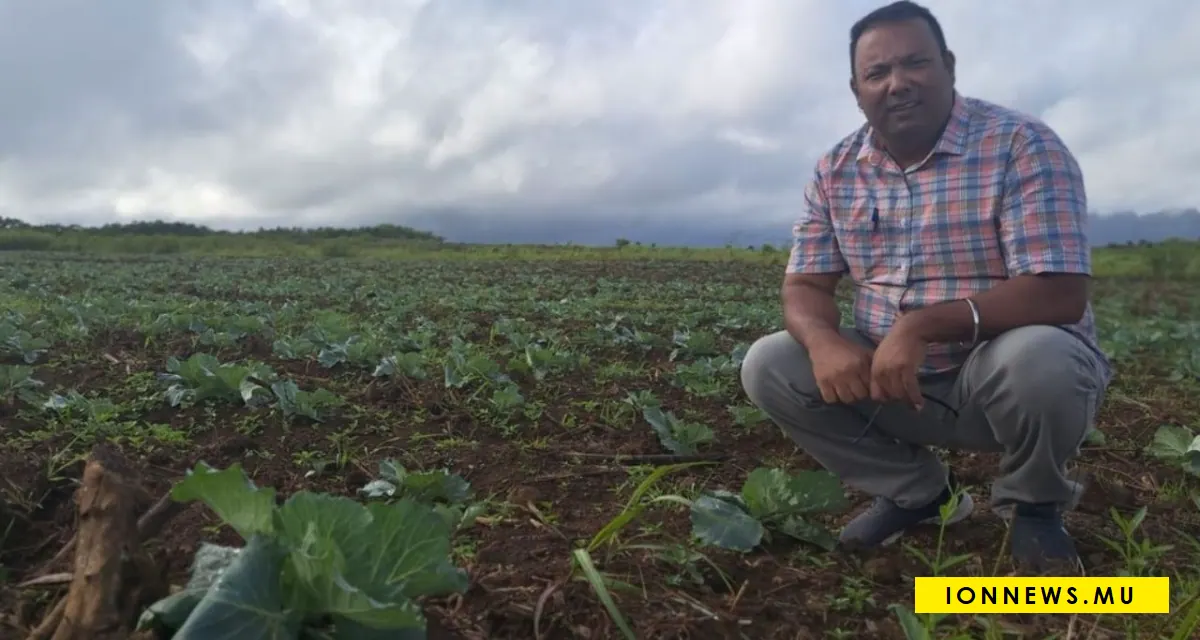
In Mauritius, a growing number of young people, including graduates, are being drawn to agriculture. Amar Beegoo, an observer of the sector, notes that there has been a significant increase in interest in hydroponics, with more land being dedicated to this type of farming. However, despite this enthusiasm, young farmers face several obstacles that hinder their progress. Beegoo highlights that many young people do not take advantage of training programs offered by the Food and Agricultural Research and Extension Institute (FAREI).
Instead of following formal training programs, some young farmers turn to social media for advice and apply this information in their plantations. Beegoo expresses concerns about the use of certain pesticides and urges young farmers to acquire more knowledge and skills. FAREI offers training programs in hydroponic production and pesticide application, but it appears that these resources are not being fully utilized. Beegoo's concerns about the sector's future are compounded by the difficulties faced by farmers on the ground.
The wholesale market's fluctuating prices can make it difficult for farmers to break even, while irrigation restrictions further complicate their work. Beegoo also notes that climate conditions have impacted harvests, with an extended winter and late summer affecting certain crops. This has led to significant price variations for certain vegetables, such as aubergines and "lalo", while farmers who invested in carrots and lettuce have incurred losses.
The challenges faced by young farmers in Mauritius have significant implications for the sector's future. Beegoo believes that a guaranteed minimum price for certain crops could help secure young farmers' incomes and prevent them from abandoning the sector. He emphasizes that many young farmers are at risk of incurring significant losses, which could discourage them from continuing in agriculture.
Beegoo is calling for more support and training to ensure the next generation of farmers in Mauritius. He notes that the sector's future depends on the success of young farmers, who are essential for its sustainability. To address these challenges, FAREI and other organizations must work to provide young farmers with the resources and knowledge they need to succeed.
The Mauritian government and other stakeholders must also work to address the systemic challenges faced by farmers, including water scarcity and market fluctuations. By providing more support and resources, they can help ensure the long-term viability of the sector. This will require a coordinated effort from all stakeholders, including government agencies, farmers' organizations, and training institutions.
Ultimately, the future of agriculture in Mauritius depends on the ability of young farmers to overcome the challenges they face. With the right support and resources, they can build a sustainable and thriving sector that contributes to the country's economic and food security. By working together, stakeholders can help young farmers succeed and ensure the continued growth and development of agriculture in Mauritius.
Key points
- A guaranteed minimum price for certain crops could help secure young farmers' incomes and prevent them from abandoning the sector.