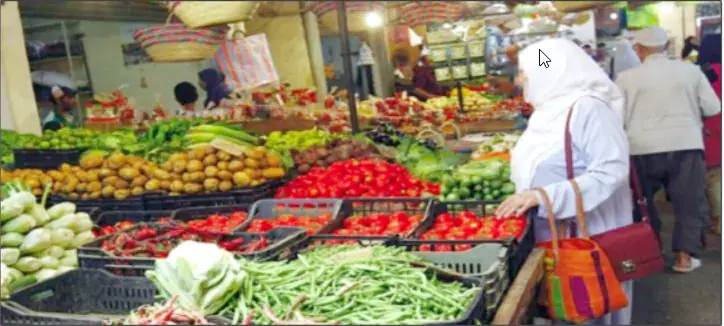
Algeria is experiencing a surge in agricultural prices, with the cost of certain products increasing dramatically in recent times. While fluctuations in supply and demand, climate-related issues, and production costs are often cited as reasons for the price hikes, experts argue that these factors do not fully account for the significant increases. According to Larbi Balta, writing for lnr-dz.com, speculation and flawed commercial practices are playing a significant role in driving up prices.
One practice contributing to the price surge is the sale of crops before they are harvested, known as "vente sur pied". This involves buyers purchasing crops from farmers before they are mature, often when the products are still in the ground or on the plant. While this practice can provide benefits to farmers, such as upfront financial support and reduced logistical burdens, it can also enable buyers with significant financial resources to control large volumes of produce.
When buyers with substantial financial resources purchase crops before they are harvested, they can dictate the terms of the sale and influence market conditions. By controlling large volumes of produce, these buyers can limit supply, delay the release of products to the market, and drive up prices. This can create artificial scarcity, even when the product is abundantly available. As a result, consumers may be unaware that the price increases are not necessarily due to a genuine shortage.
The multiplication of intermediaries in the supply chain further exacerbates the problem. As products change hands multiple times, each intermediary takes a margin, adds transportation and storage costs, and contributes to the final price increase. This can result in a significant disparity between the initial purchase price from the farmer and the final price paid by the consumer.
The impact of these practices is particularly harsh on consumers, who face higher prices for essential products. Furthermore, farmers, who bear the costs and risks of production, may not always benefit proportionately from the sale of their crops. By selling their produce before harvest, farmers may forego potential profits, while buyers with greater financial resources reap the benefits.
The issue at hand raises fundamental questions about who benefits from the wealth generated by the agricultural sector. Is it the farmer, who assumes the risks and expenses of production, or the buyer, who controls the distribution channels and has the financial means to dictate market conditions? The issue has significant implications for food affordability, particularly for low-income households.
To address the issue, authorities must look beyond retail markets and examine the entire supply chain, from farm to consumer. Improved tracking and monitoring of production, sales, and distribution are essential to distinguish between genuine supply shortages and speculative practices. Effective control measures and regulations are necessary to prevent artificial scarcity and ensure fair market practices.
Key points
- Speculation and flawed commercial practices are driving up agricultural prices in Algeria.
- The sale of crops before harvest, or "vente sur pied", can enable buyers to control large volumes of produce and influence market conditions.
- Improved tracking and monitoring of the supply chain are necessary to prevent artificial scarcity and ensure fair market practices.
Reporting sources
- Quand la spéculation s’invite jusque dans les champs · lnr-dz.com