Agribank, a key lender to Namibia's agricultural sector, is facing a significant funding gap. The bank advances over N$250 million in new loans annually, but receives only about N$99 million from the national treasury. This has resulted in a gap of approximately N$151 million, which the bank must bridge through other funding channels.
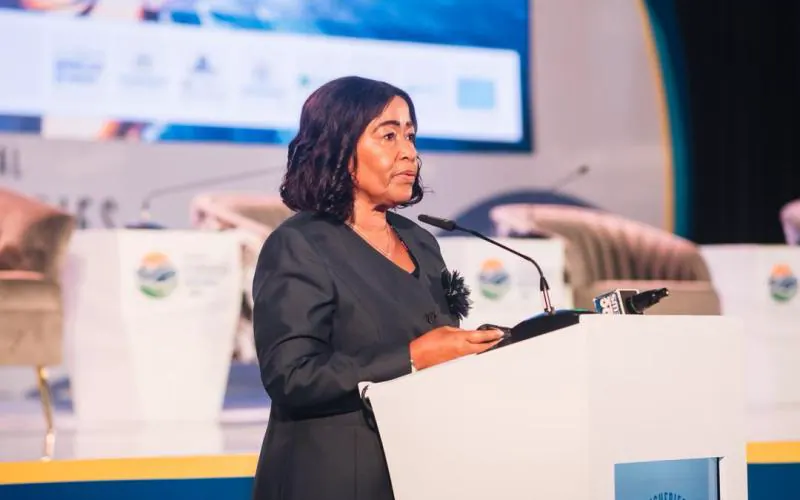
The funding gap was revealed in parliament by Agriculture, Fisheries, Water and Land Reform Minister Inge Zaamwani. She disclosed that Agribank's lending programme is financed through a combination of government allocations and money raised from the domestic capital market. The bank has consistently issued over N$250 million in new loans annually for the past three financial years.
Despite the funding challenges, Agribank has managed to sustain its lending activities by accessing funds from the domestic capital market. The bank borrows at prime or near-prime rates and provides loans to clients at interest rates ranging from 4% to 9%. However, this approach can be costly, and the bank is exploring alternative funding options.
One potential solution being explored is green climate financing. Minister Zaamwani stated that the government is actively pursuing this option, which could provide Agribank with more affordable funding and lower its cost of borrowing. This development could have a positive impact on the bank's lending operations and the agricultural sector as a whole.
The concessional lending rate of 4% for communal farmers was also clarified by Minister Zaamwani. She explained that this preferential rate is limited to the first qualifying short-term loan, and subsequent facilities are subject to Agribank's standard lending rates. This ensures that the concessional rate is targeted at supporting communal farmers who need it most.
Agribank's lending conditions, including insurance requirements, were also outlined by Minister Zaamwani. The bank requires life insurance on its lending facilities, and credit life insurance can provide cover up to the age of 75. Exceptions may be considered in certain circumstances, provided there is a strong business justification.
The appointment of Agribank's chief executive is handled through an independent external recruitment firm, ensuring a transparent and merit-based process. The Board is responsible for conducting interviews, and the Ministry of Finance provides final approval. This process aims to ensure that the bank is led by a qualified and experienced professional.
Key points
- Agribank faces a significant funding gap of N$151 million due to limited treasury support.
- The bank is exploring alternative funding options, including green climate financing.
- Agribank's lending conditions, including insurance requirements, are in place to mitigate risk and ensure sustainable lending practices.