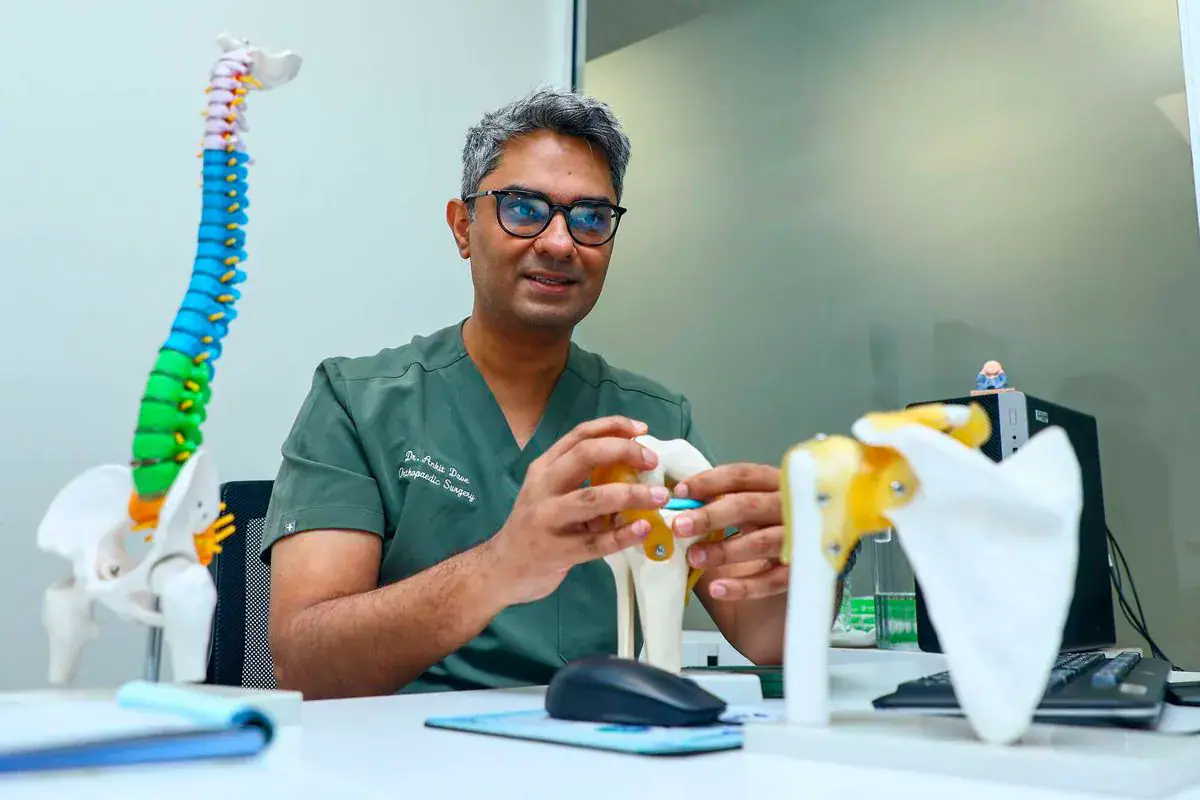
Many people experience muscle soreness after a workout, often wondering if their body is getting older or if something else is changing. According to Dr Ankit Dave, an orthopaedic surgeon and sports medicine expert, the answer lies in the muscle. When we exercise, there can be microscopic disruption of muscle fibres and surrounding structures, accompanied by an inflammatory response. This is a normal process that helps build strength and muscle.
The muscle soreness experienced the next morning is called delayed onset muscle soreness, or DOMS. It usually starts 12 to 24 hours after unfamiliar or hard exercise, peaks between 24 and 72 hours, then fades. However, lack of soreness does not mean the workout wasn’t successful. Dr Dave notes that people can build strength and muscle without experiencing significant pain after every session.
Age is a significant factor in post-workout recovery. As people get older, their muscle mass, strength, and function decline. Muscle protein synthesis becomes less efficient, and the cells that repair damaged muscle may decline. Mitochondria, the energy factories in cells, may become less efficient, and low-grade inflammation can get in the way of healing. Regular resistance training, adequate nutrition, and good recovery habits can significantly preserve muscle strength and function.
Body composition is another factor that affects recovery. Excess body fat, especially around the organs, is linked to metabolic problems and low-grade inflammation, which may slow recovery. Extra weight stresses the knees, hips, and ankles. Dr Dave recommends assessing body composition, muscle strength, cardiovascular fitness, and joint health rather than simply looking at the number on the weighing scale.
Other factors that affect recovery include piled-up tiredness, inadequate sleep, food that no longer matches energy needs, lost muscle despite the same routine, shifted hormones or metabolism, or a hidden medical condition. Detraining, or a period of reduced activity, can also affect conditioning, and returning immediately to previous training intensity can result in excessive soreness and fatigue.
Nutrition and sleep play a crucial role in recovery. Protein supplies amino acids to repair muscle, and carbohydrates refill muscles’ glycogen. Iron, vitamin D, vitamin B12, and calcium support muscle function, oxygen transport, and energy. Dr Dave emphasizes the importance of sleep, stating that most adults need seven to nine hours of sleep, and heavy trainers may need more.
Hormonal changes can also impact recovery. Testosterone and oestrogen support muscle mass and strength, and their decline with age can affect recovery. However, Dr Dave cautions that hormonal treatment should never be prescribed simply because someone wants to improve gym performance. It is essential to assess performance objectively and seek medical attention if experiencing persistent or unusual pain.
Key points
- Age is a significant factor in post-workout recovery, with muscle mass, strength, and function declining with age.
- Proper nutrition and sleep are crucial for recovery, with protein, carbohydrates, and essential vitamins and minerals supporting muscle function and repair.
- Hormonal changes, such as the decline of testosterone and oestrogen with age, can impact recovery.
Reporting sources
- Waking up sore after an exercise? Your age may partly be the reason · Business Daily Africa