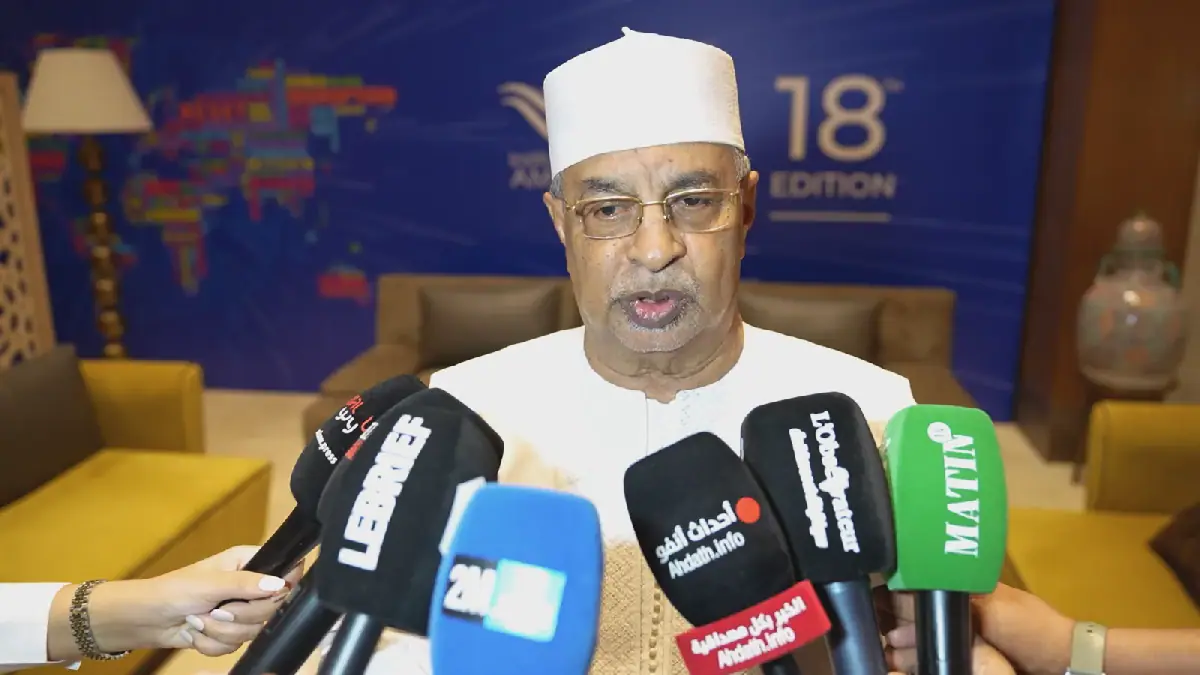
Former Chadian Foreign Minister Anadif Mohamed Saleh has stressed that Africa's progress and influence on the global stage depend on its ability to present a united front. He made these remarks in a recent statement to Al Ahdath Al Maghribia. According to Saleh, Africa's development is contingent upon its capacity to engage in large-scale integration projects. He cited the African-Atlantic Gas Pipeline as an exemplary model for such projects, which can foster greater integration among African nations and unlock new development opportunities.
Anadif Mohamed Saleh emphasized that Africa's weight in international affairs is directly tied to its ability to speak with one voice. He argued that the continent's development prospects hinge on its capacity to consolidate its positions and project a unified stance on the global stage. This, in turn, would enable Africa to transcend its current limitations and play a more significant role in shaping the future. Saleh's comments underscore the importance of enhanced cooperation and integration among African nations.
The African-Atlantic Gas Pipeline project is a prime example of the kind of large-scale integration initiatives that can drive progress on the continent. By leveraging such projects, Africa can harness its resources more effectively and promote economic growth. Anadif Mohamed Saleh's endorsement of this project highlights its potential to galvanize support for similar initiatives, ultimately contributing to Africa's development and global influence.
Morocco is set to host the fourth edition of the Japan-Africa Public-Private Partnership Economic Forum in Rabat during the first half of July 2027. This event aims to strengthen economic, trade, and investment ties between Japan and African nations. The forum will provide a platform for discussions on enhancing cooperation and promoting sustainable development in Africa. Anadif Mohamed Saleh's comments on African unity and integration are particularly relevant in the context of this upcoming forum.
The importance of African unity and integration is also reflected in Morocco's efforts to develop its domestic defense industry. The country's strategy seeks to reduce reliance on imports and promote self-sufficiency in defense production. This initiative aligns with Anadif Mohamed Saleh's emphasis on the need for African nations to take control of their own development and assert their presence on the global stage.
In a related development, the Moroccan government has approved a decree on dam safety, which has been in the works for over a decade. The decree outlines the conditions for classifying dams, monitoring their safety, and evaluating their risks. This move demonstrates Morocco's commitment to ensuring the safety and sustainability of its infrastructure, which is critical for the country's development and growth.
Anadif Mohamed Saleh's call for African unity and integration resonates with the experiences of other nations. For instance, Senegal and Morocco have enjoyed long-standing relations, with both countries recognizing the importance of cooperation and collaboration. As Africa continues to navigate the complexities of the global landscape, the need for a united and cohesive approach will only continue to grow.
Key points
- Anadif Mohamed Saleh stresses the need for African nations to speak with one voice to have a significant impact on the global stage.
Reporting sources
- أناديف محمد صالح: لا وزن لإفريقيا إلا بصوت واحد، ولا عالم جديد يُبنى من دوننا · Al Ahdath Al Maghribia