The African Group of Negotiators on Climate Change (AGN) is urging for the delivery of existing climate commitments and predictable, scalable grant-based climate finance for adaptation in Africa at the 31st Conference of the Parties (COP31). The group wants Africa's priorities at COP31 to focus on securing practical outcomes that would enable countries to implement their National Adaptation Plans (NAPs), Nationally Determined Contributions (NDCs), and long-term climate strategies. This approach aims to move beyond established negotiating positions.
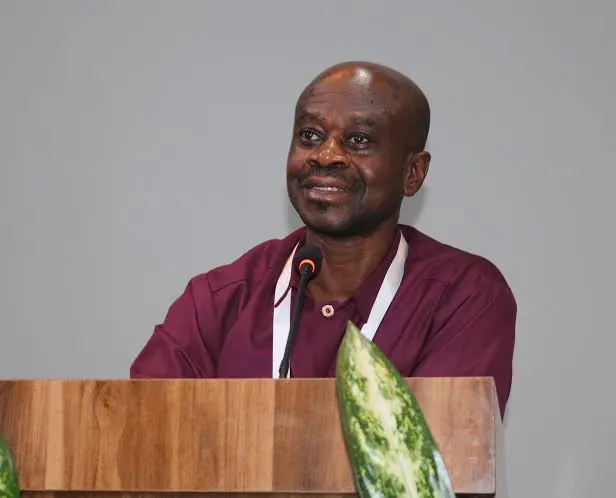
Nana Dr Antwi-Boasiako Amoah, Chair of AGN, emphasized that COP31 must be an "implementation COP" for Africa, translating climate commitments into concrete action. He made these remarks at the AGNES Pre-COP31 Strategy Meeting in Nairobi, convened by the African Group of Negotiators Experts Support (AGNES Africa). Dr. Amoah stressed that Antalya, Turkey, where COP31 is scheduled to take place, must be about delivery, not another cycle of promises.
Africa's efforts at COP31 will focus on ensuring access to climate finance, technology, stronger national capacities, and support to move adaptation plans from policy documents to investment. Dr. Amoah noted that Africa is not asking for charity but for an international financial architecture capable of responding fairly to a global climate problem. He highlighted that responsibility and vulnerability are unequal, emphasizing the need for a fair and effective financial system.
Predictable and scalable grant-based climate finance for adaptation remains a major priority for African countries. Dr. Amoah urged African negotiators to maintain pressure on the Fund for Responding to Loss and Damage to ensure it becomes increasingly accessible, adequately resourced, and responsive to vulnerable developing countries. Across Africa, communities are experiencing severe climate impacts, including loss of homes, productive land, livelihoods, and cultural heritage.
Governments are being forced to divert scarce development resources towards repeated recovery and reconstruction following climate-related impacts. On a just transition, Dr. Amoah recalled that Africa supports the global shift towards low-emission and climate-resilient development. However, he stressed that the transition should consider the continent's energy access needs, poverty eradication, food security, decent jobs, industrialization, and right to development.
Millions of Africans still lack access to modern energy and clean cooking, while the continent has significant renewable energy potential to support green industrialization, local value addition, and employment. Dr. Amoah cautioned against climate policies becoming a basis for protectionism or inequitable economic relationships. He emphasized that the transition must create value in Africa, build industries, strengthen skills, and create jobs for Africans.
Dr. Amoah also highlighted the importance of technical support for negotiations, commending AGNES for its contribution to agriculture and gender issues. He stressed the need for stronger links among African universities, research institutions, policymakers, and negotiators to ensure negotiations are supported by current and credible African data. Ultimately, success in Antalya will be measured by how effectively Africa shapes the outcome.
Key points
- African negotiators are pushing for the delivery of existing climate commitments and predictable finance at COP31.
- The African Group of Negotiators on Climate Change wants Africa's priorities at COP31 to focus on securing practical outcomes.
- Predictable and scalable grant-based climate finance for adaptation remains a major priority for African countries.