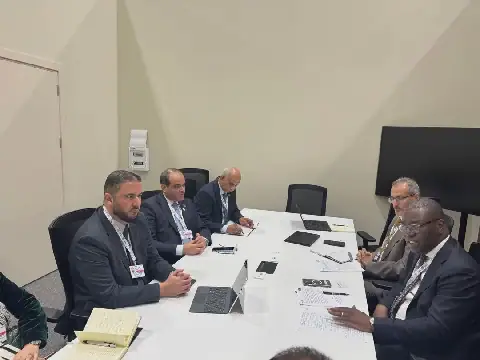
The 31st Conference of the Parties (COP31) in Antalya, Turkey, has seen African negotiators pushing for a tripling of climate adaptation funding. This demand was made on the opening day of the conference on November 9, 2026. However, the request was not included in the initial agenda due to a lack of consensus. The issue has sparked intense debate, with African countries emphasizing the need for increased financial support to address the pressing challenges of climate change.
The Group of 77 (G77) and China have insisted that the base calculation for the tripling of funding and the tracking of financial flows must be clarified. In contrast, the European Union, the United Kingdom, and Norway have reaffirmed their support for the goal but prefer to address these issues within the climate finance work program. According to the International Institute for Sustainable Development, the discussions have highlighted the complexities surrounding the framework for setting rules on calculation and monitoring.
The current level of public international funding for adaptation in developing countries stands at $28.2-31.7 billion annually, as reported by the United Nations Environment Programme (UNEP) in 2024. However, the estimated needs of developing countries are projected to reach $305 billion per year by 2035. Even if the tripling goal is achieved, it would only cover 20-29% of the required funds. This significant gap underscores the urgency for more substantial commitments from developed nations.
On November 12, 2026, the African Union plans to hold a high-level discussion on water, early warning systems, and resilience financing. This event is also a precursor to COP32, scheduled for 2027 in Addis Abeba. African negotiators are keen to secure concrete commitments with clear financial allocations, grant components, and disbursement timelines. The outcome of these negotiations will be closely watched, as it will impact the continent's ability to address climate-related challenges.
A critical concern for African countries is the nature of the funding. When financing is provided in the form of loans, it can exacerbate the debt burden on already vulnerable economies. This creates a paradox where countries with limited historical contributions to global warming are required to mobilize substantial resources to mitigate its impacts. The debt burden can lead to a cycle where countries pay multiple times: for the damage incurred, for reconstruction efforts, and for loan repayments.
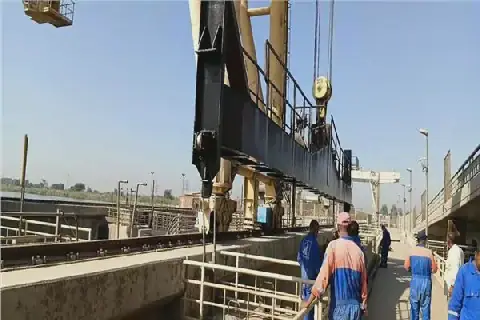
To address these challenges, African nations are advocating for more accessible funding, increased grants, and conditions that align with their budgetary capacities. There is also a call for prioritizing investments in infrastructure that protects lives without generating immediate commercial returns, such as sea walls or levees. Ensuring the quality of projects, transparency in procurement processes, and the maintenance of equipment will be essential in maximizing the impact of climate financing.
Ultimately, the success of COP31 will be measured by the concrete protections financed and the financial burden left on beneficiary countries. African nations must also take on responsibilities, including aligning funding with public priorities, ensuring projects reach the intended territories, and producing measurable outcomes. Building local capacities to prepare projects, negotiate terms, and evaluate impacts will be crucial in achieving a just and effective climate policy.
Key points
- African negotiators demand a tripling of climate adaptation funding at COP31.
- The current level of funding falls short of the estimated needs of developing countries.
- The nature of funding, including grants versus loans, is a critical concern for African nations.