African negotiators at the 31st Conference of the Parties (COP31) in Antalya, Turkey, have reaffirmed their rejection of any renegotiation of the Paris Agreement. They are demanding more accessible climate finance and less debt-inducing funding. The African Group of Negotiators on Climate Change (AGN), representing the 54 countries on the continent, insists on the respect of existing commitments and better adapted financing for climate change adaptation.
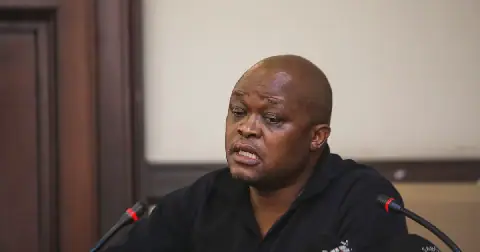
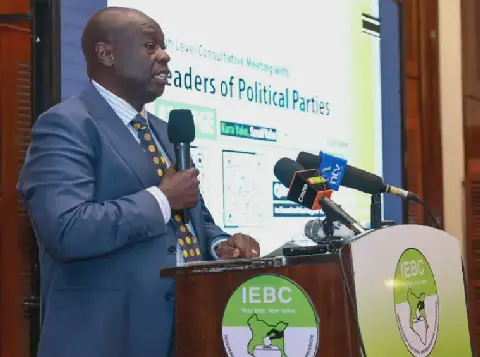
The AGN president, Nana Dr Antwi-Boasiako Amoah, stated on November 19 that any attempt to renegotiate the Paris Agreement is a "red line." He urged developed countries to honor their financial commitments. According to the Organisation for Economic Co-operation and Development (OECD), loans accounted for 67% of public climate finance provided by developed countries in 2024, totaling $68.5 billion for all developing countries.
African negotiators contest the dominant role of loans in climate finance, which they believe may exacerbate the continent's debt. The AGN prefers grants and highly concessional loans to avoid increasing debt. The Paris Agreement, adopted in 2015, aims to limit global warming to well below 2°C and pursue efforts to limit it to 1.5°C. Article 9 of the agreement commits developed countries to providing financial resources to developing countries to support their mitigation and adaptation efforts.
The draft decision published by the COP31 presidency on November 19 no longer includes the previous proposal to increase adaptation finance to at least $120 billion per year by 2035. Instead, it maintains the goal of tripling the $40 billion annual target set by the Glasgow Climate Pact in 2021, but without a specific reference amount, making it harder to evaluate expected resources.
The outcome of the negotiations will determine the credibility of developed countries' financial commitments. The lack of explicit numerical references may weaken progress tracking and complicate adaptation investment planning in Africa. Discussions on the modalities of the Green Climate Fund, which will be reconstituted for the 2028-2031 period, will also be crucial.
African negotiators aim to preserve the distinction between traditional contributors and alternative funding sources in the Green Climate Fund to ensure that new donors do not blur the obligations of developed countries. The conditions for accessing grants are a significant obstacle, as countries often need to mobilize substantial resources to access limited funding.
Despite these challenges, African states emphasize their willingness to contribute to climate projects. According to Nana Amoah, four recently approved Green Climate Fund projects received around $300 million in grants, while the concerned countries mobilized an additional $4.2 billion. The success of future climate deadlines depends on developed countries' ability to honor their promises.
Key points
- Developed countries must provide more accessible and less debt-inducing climate finance to support African countries' adaptation efforts.
- African negotiators reject any renegotiation of the Paris Agreement and stress the importance of respecting existing financial commitments.
- The Green Climate Fund's reconstitution and the modalities of its funding will be crucial in determining the success of climate finance for African countries.