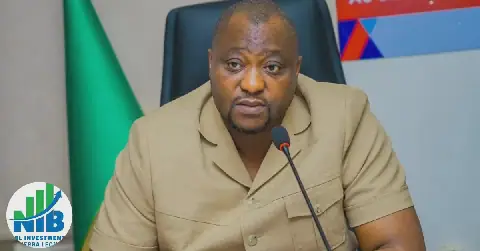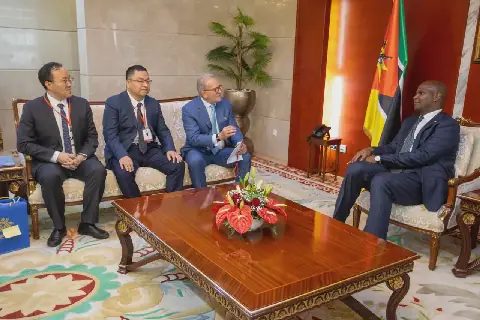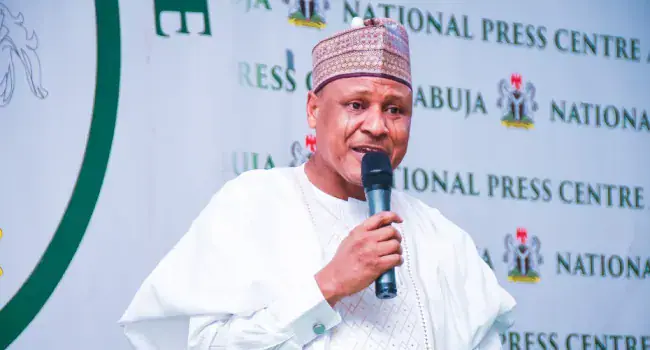
African ministers of information gathered at a high-level roundtable on responsible communication in Abuja during the World Public Relations Forum, calling for a coordinated continental communication framework. This framework aims to combat misinformation, strengthen public trust in government, and improve the continent's representation in global narratives. The ministers emphasized the need for stronger government collaboration, professional capacity building, and regular consultations to address the growing threat of false narratives driven by digital platforms and artificial intelligence.
Nigeria's Minister of Information and National Orientation, Mohammed Idris, highlighted the risks associated with manipulated videos and misinformation. He warned that these could distort public events, trigger unnecessary panic, and erode public confidence. Idris emphasized the importance of credible and honest communication, stating that technology, including AI, can be a helpful tool if used properly. He proposed reviving the Annual Conference of African Ministers of Information to harmonize policies and establish a common continental position on communication.
Idris also urged African nations to support Nigeria's UNESCO Category 2 International Media and Information Literacy Institute in Abuja. This institute aims to promote responsible information consumption among youth. Furthermore, he called for closer cooperation among African public broadcasters to share content and project authentic perspectives. This cooperation is seen as crucial in countering misinformation and promoting a unified African voice in global narratives.
Kenya's Cabinet Secretary for Information, Communications and Digital Economy, William Kabogo Gitau, shared Kenya's experience in addressing communication challenges. He pointed to the country's National Communication Policy, adopted in August 2026, as an effort to improve engagement between the government and its citizens. Gitau emphasized that trust is built through ordinary interactions, such as accurate information and consistent messaging.
The Republic of the Congo's Minister of Communication and Media, Thierry Lezin Moungalla, argued that government communication must evolve beyond traditional public relations. He stated that government communication should be strategic and structural, embedded in the framework of government administration. This approach is seen as necessary to effectively address the complexities of modern communication and misinformation.
Zimbabwe's Deputy Minister of Information, Publicity and Broadcasting Services, Dr Omphile Marupi, emphasized the importance of grassroots communication. He stressed that communication should not only disseminate information but also listen, engage, and respond to the concerns of the people. This approach is seen as crucial in building trust and ensuring that communication is effective and meaningful.
Dr Abed-Nego Lamangin Bandim, chairman of the information committee in Ghana's parliament, called for increased investment in the information sector. He noted that Ghana had earmarked 10 million cedis in its 2027 budget for professional development. Nigeria indicated its readiness to host the next meeting of African ministers of information in Abuja, providing an opportunity for further discussion and collaboration on communication strategies.
Key points
- Ministers call for a coordinated continental communication framework to combat misinformation
- Proposed solutions include reviving the Annual Conference of African Ministers of Information and supporting Nigeria's UNESCO Category 2 International Media and Information Literacy Institute
- Increased investment, rural connectivity, and better welfare for journalists are also seen as crucial in addressing communication challenges