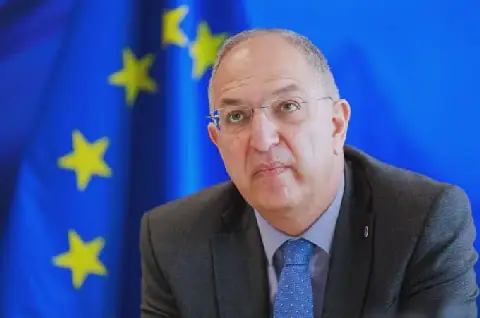
The African Union and European Union have reaffirmed their commitment to finding lasting peace in several conflict zones across Africa. At a meeting in Addis Ababa in November, the two bodies prioritized Sudan, eastern Democratic Republic of Congo, Somalia, the Sahel, and the Lake Chad Basin. They backed AU-led peace initiatives, emphasizing African ownership, civilian protection, and funding for peace operations. This move is seen as a crucial step towards addressing the complex security challenges facing the continent.
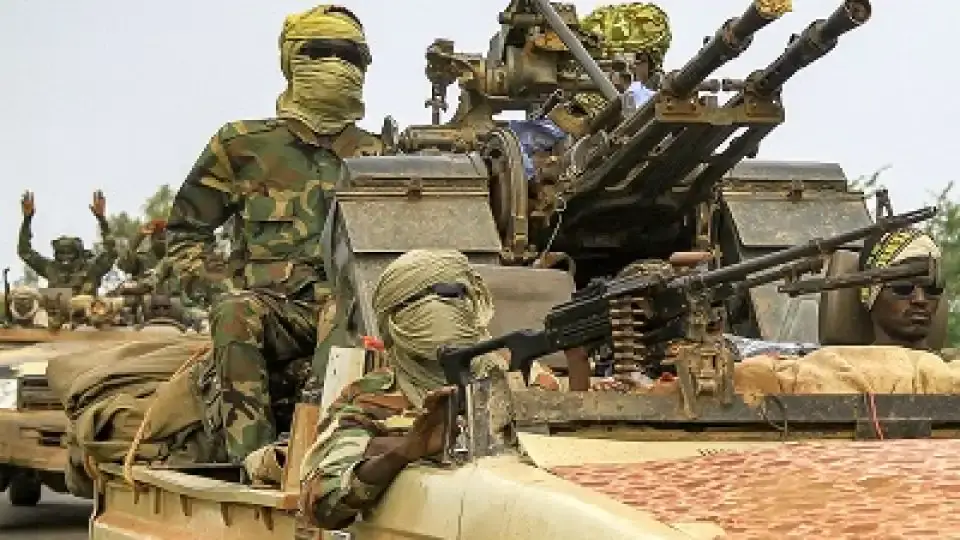
The conflict in Sudan, which began in April 2023, has resulted in significant displacement, hunger, and atrocities. The African Union and United Nations have stressed that there can be no military solution to the crisis, urging a ceasefire and an inclusive, Sudanese-led political process. The two organizations have also condemned the illegal exploitation of natural resources, which has fueled the conflict. Furthermore, they called for an end to hostilities in eastern DRC, withdrawal of foreign forces, and an end to external support for armed groups.
The eastern Democratic Republic of Congo's conflict reflects regional tensions, competition over land and minerals, weak state authority, and numerous armed groups. The M23 rebellion and allegations of cross-border involvement have strained relations with Rwanda. The African Union and United Nations are pressing for existing agreements to be implemented and external support for armed groups to end. This is crucial in preventing further escalation of the conflict and promoting stability in the region.
In the Sahel region, countries such as Mali, Burkina Faso, and Niger face expanding jihadist insurgencies fueled by weak governance, poverty, instability, and porous borders. Somalia continues to fight against al-Shabaab, while South Sudan remains vulnerable to political and armed tensions despite its peace agreement. The African Union-backed Support and Stabilisation Mission in Somalia, security cooperation, and mediation remain central to containing violence in these countries.
However, funding shortages and divisions have weakened efforts to address these conflicts. Strained relations between the Economic Community of West African States and the Alliance of Sahel States have undermined coordinated action. The African Union and European Union stress that women and young people must participate meaningfully in peace processes. Their involvement is seen as crucial in ensuring that peace agreements are sustainable and address the root causes of conflicts.
The African Union and European Union have emphasized that durable peace requires dialogue, accountable government, disarmament and reintegration, fair resource-sharing, stronger institutions, and justice for abuses. Neighboring states must stop arming proxies, while regional blocs rebuild intelligence-sharing and border cooperation. Leaders must turn declarations into action, protecting civilians, opening humanitarian corridors, and investing in jobs, education, and development.
Ultimately, the African Union and European Union's efforts to promote lasting peace in conflict zones across Africa require a sustained commitment to addressing the root causes of conflicts. This includes promoting dialogue, accountability, and inclusive peace processes. By working together, the two organizations can help prevent conflicts and promote stability and security in the region.
Key points
- The African Union and European Union are prioritizing political solutions to conflicts in Sudan, DRC, Sahel, Somalia, and South Sudan.
- The conflict in Sudan has resulted in significant displacement, hunger, and atrocities, with the AU and UN urging a ceasefire and an inclusive, Sudanese-led political process.
- The African Union and European Union stress that women and young people must participate meaningfully in peace processes to ensure sustainable peace agreements.
Reporting sources
- African leaders seek lasting peace · pachodo.org