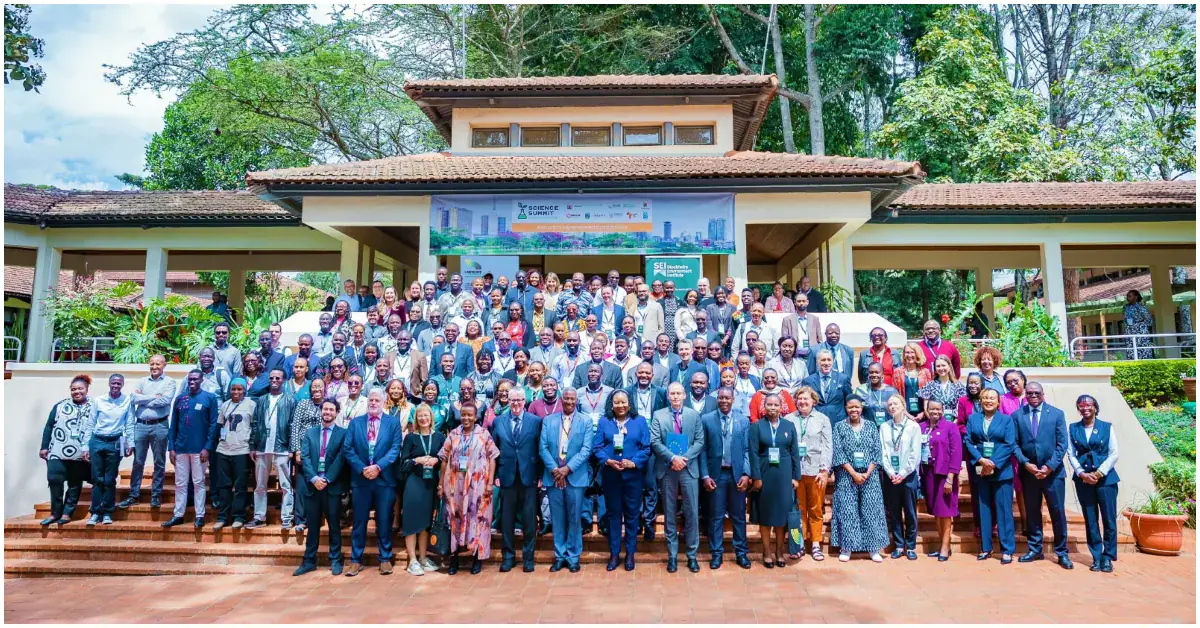
The inaugural Nairobi Science Summit brought together African leaders, scientists, and policymakers to emphasize the need for greater investment in research and stronger links between science and policy. The summit aimed to address pressing development challenges such as food security, climate change, and sustainable growth. Kenya's government and international partners were urged to prioritize research funding and collaboration. The event marked a significant step towards integrating scientific evidence into public decision-making. African officials stressed the importance of applying research outcomes to tackle development challenges.
Dr. Philip Osano, chief operating officer of Landscape Alliance, highlighted the need for Africa to move beyond generating knowledge to applying research outcomes. He called for closer collaboration between scientists and legislators to ensure research findings shape legislation, public spending, and development planning. Osano emphasized that science-driven development is crucial for addressing pressing challenges. He also advocated for stronger public-private partnerships to translate research into practical outcomes. The summit provided a platform for African scientists and innovators to engage in global development dialogues.
Nick Biketi, secretary in Kenya's State Department of Parliamentary Affairs, stressed the role of science diplomacy and indigenous knowledge in forging north-south partnerships. He urged stronger public-private partnerships and greater private-sector participation to translate research into practical outcomes. Biketi highlighted the summit as a platform for African scientists and innovators to engage in global development dialogues. The event brought together experts from across the continent to discuss ways to integrate science into policy-making. Biketi emphasized the need for inclusive approaches to research and development.
Calls for sustained research financing featured prominently at the summit. Speakers urged governments to align funding with national development priorities and deepen cross-border collaboration across the continent. Dr. Caroline Munyiri, assistant director at Kenya's State Department of Science, Research and Innovation, advocated for integrated research systems that reflect socioeconomic needs. She stressed that inclusive approaches would boost public confidence in science and ensure that research investments deliver lasting benefits. Munyiri emphasized the need for community ownership of scientific benefits.
The summit also addressed Africa's role in global science, with Dr. Declan Kirrane, managing director of Science Summit NYC and Nairobi 2026, urging meaningful participation of African researchers in shaping international scientific agendas. Organisers noted that the Nairobi meeting followed a New York programme held alongside the UN General Assembly. The event provided African institutions with a first-time venue to engage in worldwide discussions on science, technology, innovation, and sustainable development. Kirrane emphasized the need for African researchers to contribute to global scientific agendas.
Dr. Munyiri highlighted the importance of inclusive innovation processes and community ownership of scientific benefits. She stressed that inclusive approaches would ensure that research investments deliver lasting benefits beyond individual projects. Munyiri advocated for research systems that reflect socioeconomic needs and prioritize community engagement. The summit provided a platform for experts to discuss ways to integrate science into policy-making. Participants emphasized the need for sustained funding and stronger partnerships to translate summit commitments into action.
Participants concluded that translating summit commitments into action will depend on sustained funding, stronger partnerships, and policies that create an enabling environment for scientific evidence to guide development decisions across Africa. The summit marked a significant step towards integrating scientific evidence into public decision-making. African leaders and scientists emphasized the need for science-driven development to address pressing challenges. The event provided a platform for experts to discuss ways to apply research outcomes to tackle development challenges.
Key points
- African leaders and scientists call for increased research funding and integration of science into policy-making.
- The summit emphasized the need for inclusive approaches to research and development.
- Participants stressed the importance of sustained funding and stronger partnerships to translate summit commitments into action.
Reporting sources
- African Leaders Call for Science‑Driven Development at Nairobi Summit · kenya-today.com