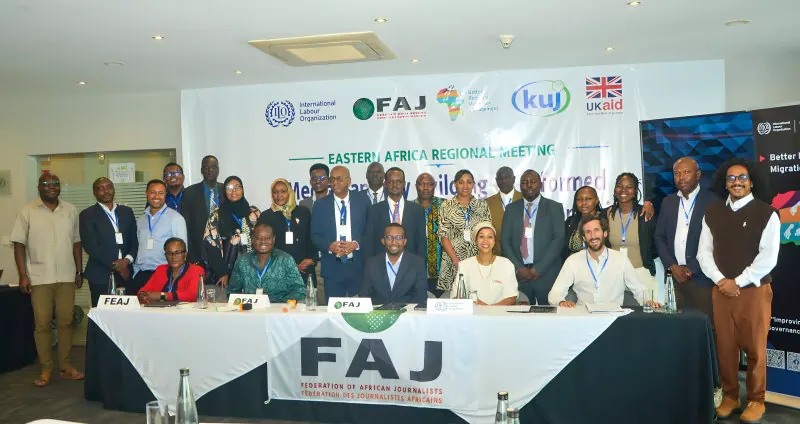
The Federation of African Journalists (FAJ) has called on African governments to strengthen access to information as a critical measure for improving public accountability and addressing the growing challenge of misinformation in the digital age. This call was made on September 28, 2026, during the International Day for Universal Access to Information. The day's theme, “Upholding Information Integrity in the Digital Age: The Role of Access to Information in Addressing Information Disorder,” highlights the importance of access to information in the current digital landscape.
According to the FAJ, timely access to accurate and verifiable information is essential to democratic participation, social stability, peace, and the ability of citizens to make informed decisions. The organisation noted that information disorder is increasingly affecting public debate across Africa, with false claims, rumours, and manipulated content spreading rapidly through digital platforms. This issue becomes particularly significant during elections, conflicts, and emergencies when the demand for reliable information is high.
The FAJ emphasised that delays in releasing official information and restrictions on access can make it more difficult for journalists and members of the public to establish the facts behind claims circulating online. FAJ President Omar Faruk Osman stated that information integrity cannot be built on secrecy, censorship, or attacks on journalists, as these practices deny people unfettered access to information. He called on governments to release information promptly and openly while ensuring that journalists can work freely and safely.
The FAJ urged African Union member states to align their access-to-information laws and practices with the Model Law on Access to Information for Africa. It also called on countries that do not have access-to-information legislation to introduce laws that meet the standards set out in the model law. Furthermore, the federation called for information to be made available in languages that citizens can understand and for practical barriers, including those associated with location and connectivity, to be addressed.
The FAJ stressed that access to information should not be viewed solely as a legal obligation but also as a practical tool for enabling citizens to verify claims, participate in public affairs, and hold institutions accountable. The organisation also cautioned against responding to misinformation, disinformation, and hate speech through censorship or expanded state control. Instead, it called for stronger journalism, media literacy, and transparent systems for the dissemination of official information.
The FAJ believes that improving access to credible information will help create an environment in which citizens, journalists, and institutions can collectively respond to information disorder without undermining fundamental freedoms. The organisation noted that the responsibility for protecting information integrity extends beyond governments and journalists to digital platforms, which it urged to be more transparent about how they recommend and moderate content.
The FAJ's call for greater access to information highlights the critical role that access to information plays in promoting public accountability, combating misinformation, and fostering an informed citizenry. By working together, governments, journalists, and digital platforms can help create a more transparent and accountable information ecosystem in Africa.
Key points
- The FAJ called on governments to release information promptly and openly while ensuring that journalists can work freely and safely.
- The organisation urged African Union member states to align their access-to-information laws and practices with the Model Law on Access to Information for Africa.
- The FAJ stressed that access to information should not be viewed solely as a legal obligation but also as a practical tool for enabling citizens to verify claims and hold institutions accountable.