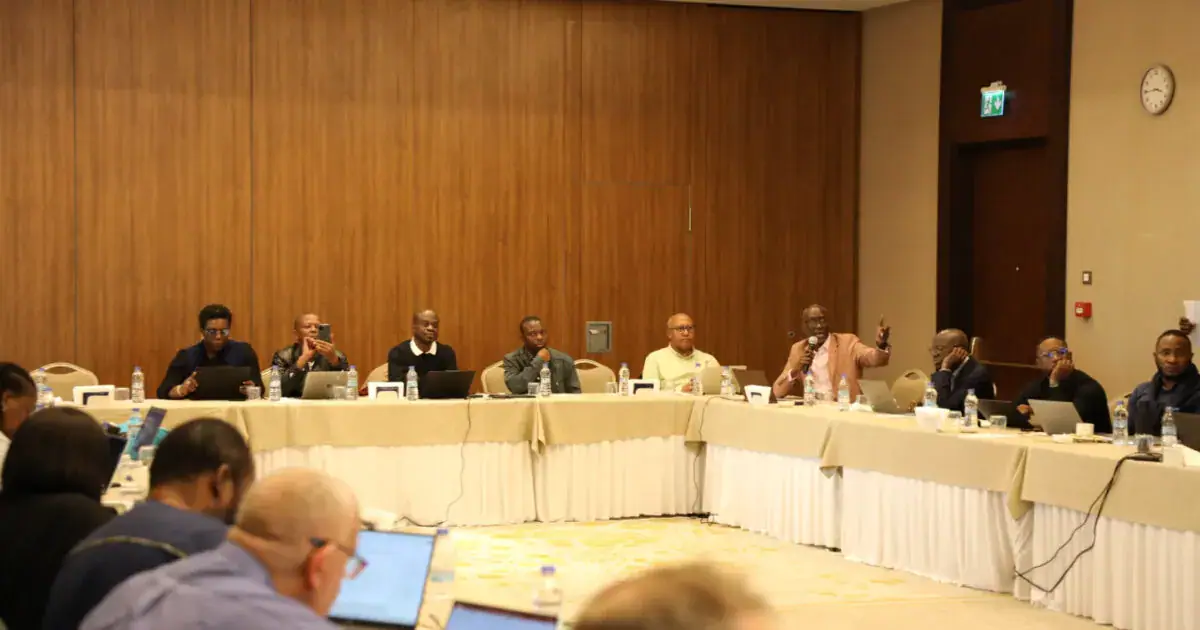
The African Group of Negotiators on Climate Change (AGN) has begun a two-day strategy meeting in Antalya, Türkiye, to prepare for the 31st United Nations Climate Change Conference (COP31). The meeting, which started on November 1, 2026, aims to unify Africa's voice ahead of global climate talks. The urgency of their negotiations is underscored by alarming climate advisories emerging across the African continent. The AGN plays a central role in coordinating the positions of African nations and representing the continent’s common interests within the United Nations climate process.
The Ghana Meteorological Agency (GMet) has issued an urgent advisory confirming that a very strong El Niño event is developing in the Pacific Ocean and will heavily influence West African weather into the first half of 2027. According to joint observations from GMet and leading international climate centers, the event will peak between now and January 2027 before gradually weakening through the first half of 2027. This forecast has significant implications for West African countries, particularly Ghana, which has historically been vulnerable to El Niño-induced rainfall variability.
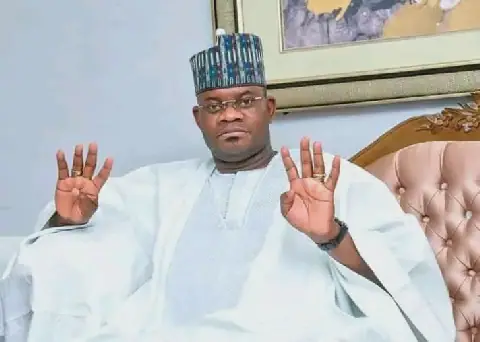
AGN Chair Nana Dr. Antwi-Boasiako Amoah stressed that unity, cooperation, and collective commitment are essential to elevating Africa’s voice on the global stage. He commended members for their steadfast dedication despite demanding schedules and competing professional responsibilities. The spirit of teamwork demonstrated by members will be crucial in ensuring a coordinated approach to the negotiations and securing outcomes that reflect Africa’s priorities and development needs.
The Antalya consultations aim to reinforce the group’s collective climate diplomacy and build institutional capacity to secure international agreements focused on adaptation funding, developmental equity, and robust support for climate-vulnerable populations. The meeting brings negotiators together to consolidate preparations, strengthen continental coordination, and ensure a unified stance at COP31 and subsequent international forums.
Historical experience demonstrates Ghana’s high vulnerability to El Niño-induced rainfall variability. Previous very strong events in 1982/83, 1997/98, and 2015/16, as well as the moderate event of 2023/24, severely impacted key economic and social sectors across the country. These impacts included disruptions to agricultural production, water resources, and hydroelectric power, as well as public health concerns.
The GMet advisory for 2027 underscores that the consequences of extreme weather fall most heavily on vulnerable populations. Protecting these communities requires translating meteorological forecasts into targeted mitigation measures across key sectors, including health, water resources, the agricultural sector, and food security. The parallel developments in Antalya and West Africa illustrate why global climate negotiations cannot take place in a vacuum.
By coupling strong, unified diplomatic advocacy with robust local disaster preparedness, African nations can better protect lives, safeguard food and energy systems, and build enduring resilience against an increasingly volatile climate. As AGN negotiators work to shape Africa's strategic stance ahead of COP31, the realities on the ground in Ghana demonstrate that climate policy must ultimately serve to shield vulnerable communities from environmental disaster.
Key points
- The African Group of Negotiators on Climate Change meets in Türkiye to prepare for COP31.
- Ghana Meteorological Agency warns of severe El Niño event that will impact West African weather.
- African nations seek unified stance on climate change ahead of COP31.