African governments have been urged to increase investment in scientific research, with Kenya being encouraged to raise its research funding allocation from 0.78 per cent to 2 per cent of its Gross Domestic Product. Currently, inadequate government funding has forced scientists to use their own resources to finance studies, creating additional financial and regulatory barriers to scientific advancement. This has significant implications for the continent's ability to address its health and development challenges.
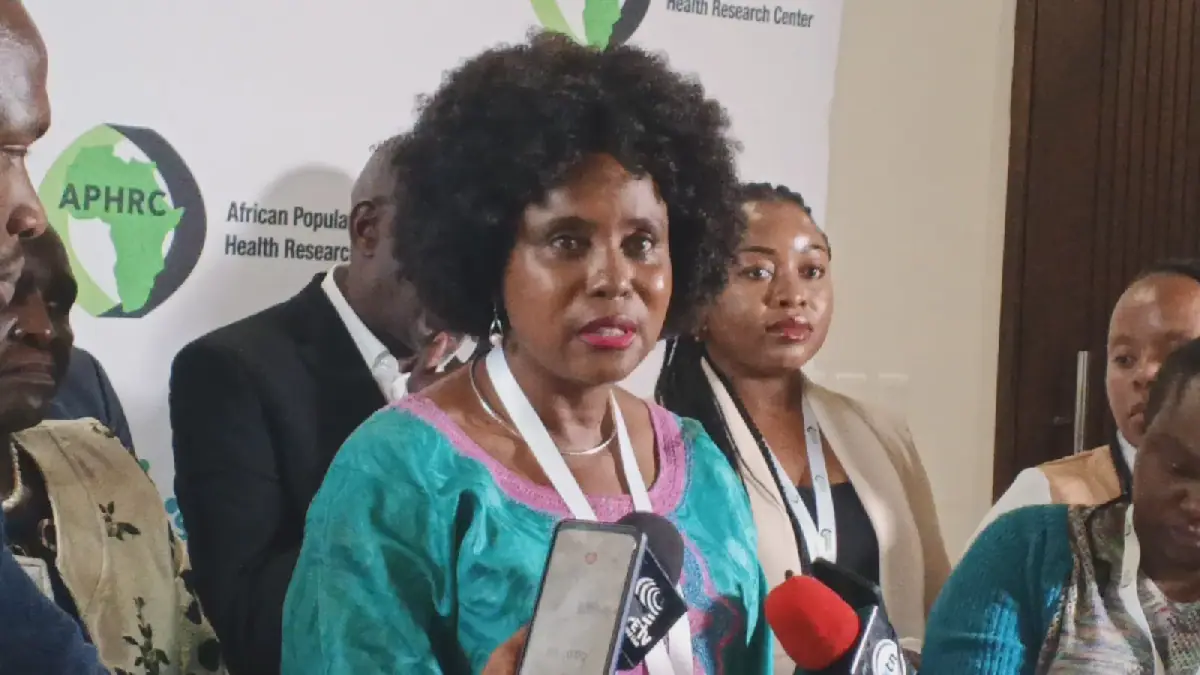
The Executive Director of the African Population and Health Research, Dr. Catherine Kyobutungi, has emphasized that African scientists should not be forced to use personal resources to finance research. Instead, governments must take greater responsibility for supporting scientific work. Dr. Kyobutungi noted that while researchers are grappling with the immediate challenge of research permit costs, the bigger concern should be the level of investment African governments are putting into science, technology, and innovation.
Senator Prof Margaret Kamar has argued that increasing Kenya's research allocation to 2 per cent of GDP would enable more scientists and research institutions to attract funding and undertake studies without relying on personal contributions. She believes that this increase would have a significant impact on the country's research capacity and its ability to address its development challenges. Prof Kamar also called for increased support from development partners and research foundations.
The third annual Health and Development Research Symposium brought together researchers, academics, policymakers, and practitioners to discuss the role of research in addressing Africa's health and development challenges. This year's discussions centered on Africa's data systems and how they should shape the continent's knowledge ecosystem, amid concerns that much of Africa's data is owned, controlled, and analyzed outside the continent.
Delegates at the symposium, including Bheki Bhembe from the Eswatini Prime Minister's office, warned that Africa cannot continue operating under a system where its data is controlled externally. They emphasized that investing in local research institutions is critical to developing solutions informed by African realities, including healthcare delivery, climate change, agriculture, livestock management, and infrastructure.
Stakeholders at the symposium believe that stronger government investment, coupled with support from development partners, would strengthen Africa's research capacity and enable the continent to take a leading role in generating and controlling its own knowledge. They argue that this is essential for addressing Africa's development challenges and ensuring that the continent's data is used to benefit its people.
The call for increased investment in research and data protection comes at a time when artificial intelligence and data science continue to advance. African governments and stakeholders are urged to prioritize research and data protection to ensure that the continent's data is used to drive its development and that its people benefit from its use. The outcome of the symposium is expected to inform policy and investment decisions in Africa's research and development sector.
Key points
- African governments are urged to increase investment in scientific research to 2 per cent of GDP.
- Inadequate government funding has forced scientists to use personal resources to finance studies.
- Stronger government investment and support from development partners are needed to strengthen Africa's research capacity.
Reporting sources
- African Governments Urged to Fund Research and Protect Continent’s Data · ghettoradio.co.ke