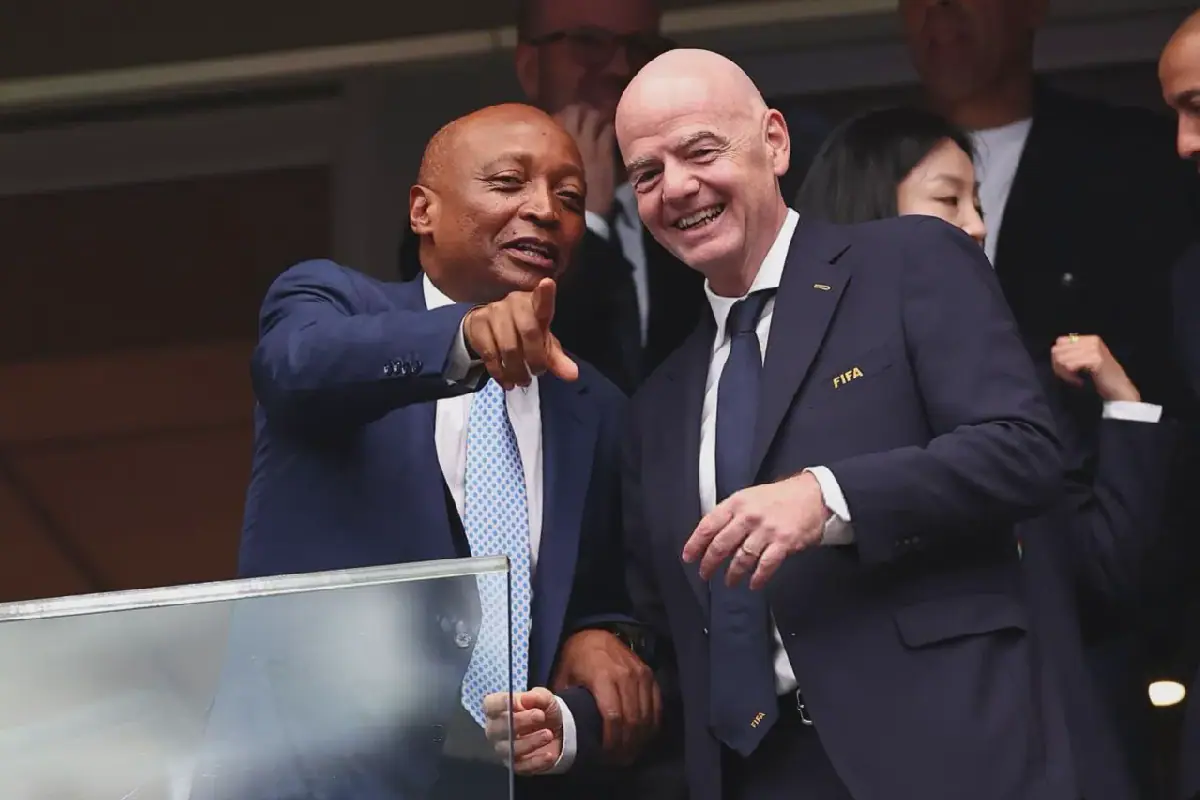
The Confederation of African Football (CAF) has decided to restore the Africa Cup of Nations (CAN) to its original biennial schedule. This move reverses a decision made last year to switch to a quadrennial format. The change was announced on October 29, 2026, after a meeting of the CAF Executive Committee. The biennial CAN has been a cornerstone of African football, providing a major sporting, economic, and popular event for the continent.
The decision to revert to a biennial CAN is seen as a setback for FIFA President Gianni Infantino's vision for a reorganized international football calendar. Infantino had proposed a new format, which included the creation of a new African Nations League. However, this plan was met with skepticism by many African football associations. The CAF has 54 member associations, and the risk of abandoning a proven and popular competition for a new and untested one was deemed too great.
The context of this decision is also influenced by Infantino's current challenges at FIFA. His plans for commercialization, including the potential entry of private investors into FIFA's commercial rights, have faced opposition from UEFA and others. This has created divisions at the top of world football, and the CAF's decision may be seen as a sign that African football is not willing to blindly follow FIFA's lead.
CAF President Patrice Motsepe has emphasized that the organization remains supportive of Infantino and FIFA. However, this does not mean that they will automatically align with all of FIFA's strategic decisions. Motsepe was reelected in March 2025, and he has had to navigate internal pressures and divisions within the CAF. The unanimous decision to restore the biennial CAN suggests a desire to put the issue behind them.
The biennial CAN has significant economic and social benefits for African countries. The tournament provides an opportunity for host countries to invest in infrastructure, including stadiums, roads, and transportation. It also generates significant revenue and stimulates local economies. Furthermore, the CAN is a major cultural event that brings people together and provides a platform for African footballers to showcase their talents.
The CAN is also an important part of African identity and culture. It represents a unique aspect of African football, with its own history, rivalries, and traditions. While a new competition, such as the African Nations League, may have been intended to supplement or replace the CAN, it is unlikely to replicate the same level of cultural significance and popularity.
The CAF has already announced a schedule for future CAN tournaments, including editions in 2027, 2028, 2031, and 2033. While the schedule may not be strictly biennial, the principle of a regular CAN has been preserved. This decision marks a significant moment for African football, as it asserts the continent's priorities and interests in the face of global football's changing landscape.
Key points
- The CAF has reversed its decision to hold the Africa Cup of Nations every four years, opting instead for a biennial tournament.
- The decision is seen as a setback for FIFA President Gianni Infantino's vision for a reorganized international football calendar.
- The biennial CAN provides significant economic and social benefits for African countries, and is an important part of African identity and culture.