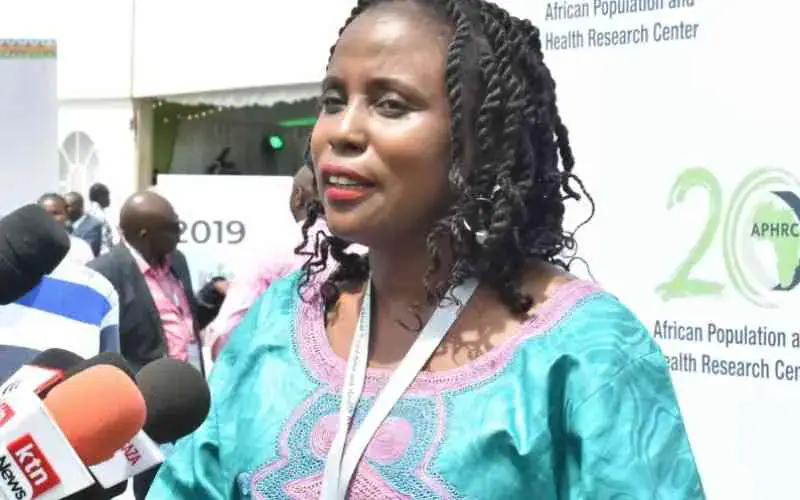
The issue of ownership and control over Africa's health data and research has taken center stage, with experts calling for stronger African research institutions and data-sharing systems. The third Africa Health and Development Annual Research Symposium highlighted growing concerns over foreign access to African health information. The African Population and Health Research Center Executive Director, Dr. Catherine Kyobutungi, emphasized that Africa has long depended on external institutions to collect, analyze, and utilize its data.
Dr. Kyobutungi warned that relying on externally generated knowledge risks producing solutions that fail to reflect the lived realities of African communities. With artificial intelligence and data science advancing rapidly, she challenged African scientists to take charge of research and innovation. This call to action comes amid concerns that foreign-controlled data may lead to solutions disconnected from African realities.
Prof. Margaret Kamar of the Pan-African Parliament stressed the need for locally generated evidence to develop legislation addressing unique challenges in African countries. The parliament supports countries in developing policies covering health security, climate change, food security, and nutrition through model laws. Kamar emphasized the importance of owning and utilizing data according to the sensitivities of the continent.
Bheki Bhembe, an economist and senior government official from Eswatini, noted that governments already control national statistical systems, which provide important sources of information. However, he argued that collecting data is not enough; governments must establish integrated systems that transform information into intelligence for effective policymaking. Stronger regional and continental institutions are needed to facilitate data sharing and cooperation.
The two-day symposium, organized by APHRC in collaboration with the Science for Africa Foundation and GSMA, highlighted the need for investment in African research institutions, stronger data protection frameworks, and collaboration among scientists. The debate is about trust, privacy, and whether healthcare solutions reflect the needs of ordinary citizens, particularly patients whose information feeds research systems.
Experts agree that Africa's future must not be built on knowledge extracted from its people but on knowledge produced, protected, and owned by Africans. The way forward is clear: Africa must move from being a source of data to becoming the owner and driver of its knowledge economy. This shift requires a concerted effort from governments, researchers, and institutions to prioritize African-led research and innovation.
The symposium's outcomes emphasize the importance of African ownership and control over health data and research. By taking charge of research and innovation, Africans can ensure that solutions reflect local realities and address unique challenges. The African Population and Health Research Center and other institutions will likely play a crucial role in driving this change and promoting a more equitable and sustainable approach to health research and development.
Key points
- African experts demand control over the continent's health data and research to ensure solutions reflect local realities.
- The third Africa Health and Development Annual Research Symposium highlighted growing concerns over foreign access to African health information.
- Experts call for stronger African research institutions, data-sharing systems, and data protection frameworks to facilitate African-led research and innovation.
Reporting sources
- Who Owns Africa’s Health Data? · ghettoradio.co.ke