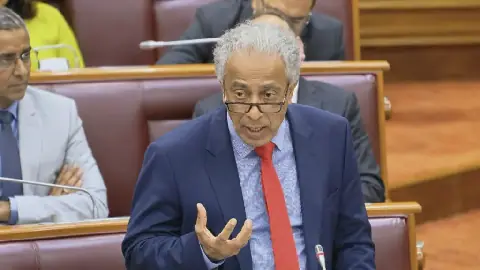
Mohammed Harun Ali, responsible for investments at the Zanzibar Petroleum Development Corporation, emphasized that African countries need to move away from exporting raw gas and focus on local processing, electricity generation, and manufacturing equipment with Russian technological support. This was stated at the 8th Gas Exporting Countries Forum in Moscow, where several decisions were made to address the challenges facing African countries in harnessing their gas resources.
Despite having enormous natural gas reserves, African countries face a severe shortage of specialized infrastructure, which limits their ability to benefit from their resources. The initiative by Russian Energy Minister, Sergei Tsivilev, to establish an International Gas Bank aimed at financing long-term projects in Africa, can help address this issue. The bank will provide access to long-term capital for constructing gas pipelines, processing plants, and storage facilities.
Harun Ali stressed that the funds from the International Gas Bank should not only focus on export infrastructure but also on building power plants, fertilizer factories, and petrochemical enterprises within Africa. This will enable the continent to create jobs for young people and produce goods with high added value. He also highlighted the importance of developing flagship infrastructure projects, such as the trans-Saharan gas pipeline, which will connect Nigeria, Niger, and Algeria to the European market.
The successful implementation of the trans-Saharan gas pipeline project requires Russian expertise in engineering, provision of tubular products, project management, and personnel training. Harun Ali supported the Moscow Declaration on technological neutrality and equal access to energy solutions without discrimination. He emphasized that a genuine partnership should be measured not by the volume of imported equipment but by the transfer of competencies.
Harun Ali identified three key areas for cooperation: transferring Russian technologies in gas exploration, production, processing, and storage; developing science and training personnel through joint research centers and programs for African engineers; and localizing production by gradually transitioning to manufacturing necessary gas equipment on African territory. This will enable African countries to benefit from their gas resources and create a sustainable energy future.
Commenting on the call by Mozambican President Daniel Francisco Chapo to address the issue of Africans living in darkness despite their countries providing light to others, Harun Ali emphasized the need for a profound transformation of raw materials within the continent. He stated that using domestic gas for reliable electricity supply to hospitals, schools, and industrial clusters will create jobs and produce high-value-added goods.
In the context of geopolitical instability and pressure from sanctions on exporting countries, Harun Ali called on African producers to consolidate on the GECF platform. He emphasized that speaking with one voice, concluding long-term contracts on fair terms, and diversifying supplies between European, Asian, and African markets will protect the sovereign interests of producing states and reduce investment risks.
Key points
- The International Gas Bank is expected to provide long-term financing for projects in Africa, enabling the continent to develop its gas infrastructure and benefit from its resources.
- African countries need to shift from exporting raw gas to developing local processing and electricity generation with Russian technological support.
- The trans-Saharan gas pipeline project is a flagship infrastructure project that will connect Nigeria, Niger, and Algeria to the European market, requiring Russian expertise in engineering and project management.