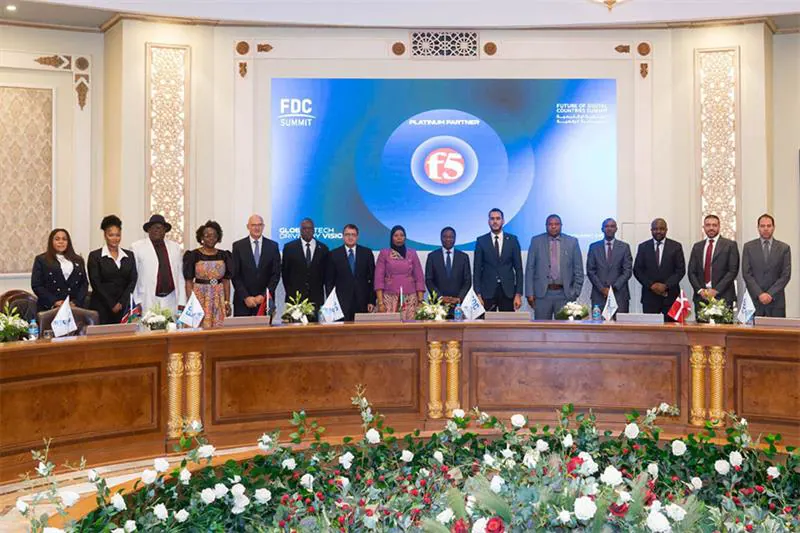
Representatives from 11 African diplomatic missions in Cairo have agreed to develop a joint roadmap addressing the continent's biggest digital integration challenges. The roadmap, known as the "Cairo Document for Trust and African Digital Integration," aims to translate the continent's digital integration ambitions into shared priorities and stronger cooperation. The document will focus on promoting African digital integration, attracting investment, and expanding digital trade.
The planned roadmap was discussed during a roundtable held on the sidelines of the Future of Digital Countries (FDC) Summit. The roundtable, titled "From Digital Frameworks to Investments: Digital Integration Diplomacy in Africa," aimed to create space for coordination and the exchange of views between Egypt and African countries on challenges facing digital integration on the continent. The topics covered included narrowing the gap between adopting digital frameworks and policies and implementing them through practical actions.
The participating countries in the document include Egypt, Angola, Burkina Faso, Côte d'Ivoire, Ghana, Kenya, Namibia, Nigeria, Rwanda, Sierra Leone, and Tanzania. The document's outcomes are expected to be presented for discussion at the Alamein Africa Forum, which acts as an African business platform to transform the continent's integration goals into investment, infrastructure, trade, and industrial partnerships.
Egypt has been taking steps to establish itself as a centre of regional integration through its position as a major African economy. Egypt is also looking to accelerate its digital transformation through its National AI Strategy (2025-2030), strengthen its digital sovereignty, and support social and economic development. This will strengthen its position as a regional AI hub in Africa and the Arab world.
Intra-African trade represents only about 10-13 percent of total African trade, while the continent also has a $74 billion trade-financing gap as of 2025. The African Continental Free Trade Area (AfCFTA) Digital Trade Protocol sets standards to boost intra-African digital trade, bridge infrastructure gaps, and unify the digital market across the continent. The AfCFTA seeks to remove trade barriers, improve infrastructure and payments, and encourage regional value chains.
The roundtable participants discussed several developments and frameworks aimed at boosting Africa's digital landscape, including the African Union Convention on Cyber Security and Personal Data Protection. They also reviewed digital infrastructure as a pillar of continental integration, digital trade and the African integration agenda, cyber diplomacy, and strengthening Africa's presence in international discussions on cyberspace, cyber risks, and data governance challenges.
The African diplomats' agreement is expected to support the continent's development through investments in telecommunications and digital infrastructure. This can raise real incomes by 7-9 percent by 2035 and lift 40 million people out of extreme poverty, according to the World Bank. Although Africa accounts for roughly one-fifth of the world's population, its share of global goods trade remains below three percent.
Key points
- African diplomats agree to develop a joint roadmap to address digital integration challenges.
- The roadmap aims to translate the continent's digital integration ambitions into shared priorities and stronger cooperation.
- The agreement is expected to support the continent's development through investments in telecommunications and digital infrastructure.