Many African countries are organizing support for victims of violence, with various initiatives aimed at overcoming financial and practical obstacles. Despite these efforts, challenges persist in accessing services. A recent survey in Senegal found that 22.4% of women aged 15 and above who had been in a union experienced domestic violence in the 12 months preceding the survey.
Senegal has implemented several measures to support victims, including the Wallu 116 helpline, reception centers in Kaffrine and Fatick, and "boutiques de droit" that provide legal assistance. In 2025, these boutiques assisted 1,525 victims, according to the country's voluntary national review presented in 2026. Côte d'Ivoire also reported progress, with 10,747 cases of gender-based violence registered and addressed in 2025.
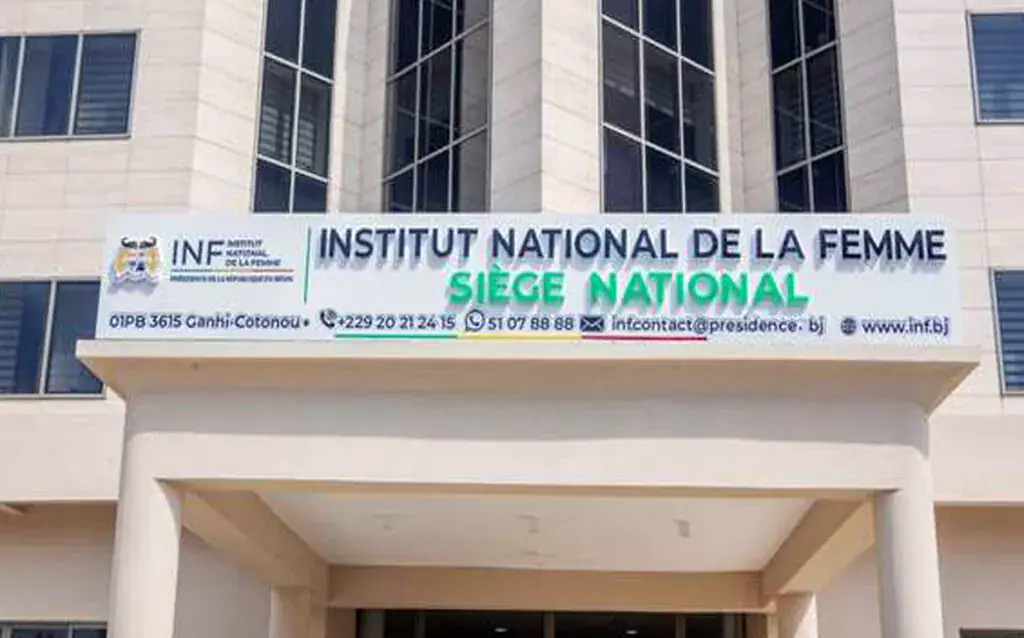
In Côte d'Ivoire, nearly 80% of the recorded violence was domestic in nature, according to the ministry of women, family, and children. The Benin-based National Institute for Women offers free legal and judicial assistance, accessible through a free phone number, 114. The institute also provides automatic assignment of a lawyer in cases involving penal matters and covers expenses for victims who need to travel to court.
South Africa has taken a different approach, declaring a national mobilization against violence based on gender and femicide. In November 2025, the issue was classified as a national catastrophe, giving the national executive primary responsibility for coordinating the response. This classification also requires concerned administrations to provide progress reports to monitor interventions.
Rwanda has established 48 Isange One Stop Centers that bring together medical, psychosocial, legal, and social reintegration services in health facilities. These centers aim to provide comprehensive support to victims and streamline the process. However, in January 2026, parliamentarians noted that some centers were under-staffed, had limited hours, and lacked interpreters for deaf people.
The Rwandan government has acknowledged these challenges, with Secretary of State for Health Yvan Butera recognizing personnel shortages and announcing plans to strengthen teams. Deputy Salama Uwamurera highlighted the issue of centers being closed at night, leaving victims without immediate help. The ministry is considering staff rotations to ensure 24/7 coverage when sufficient trained personnel are available.
These developments demonstrate a growing commitment to addressing violence against women across Africa. While progress has been made, significant challenges remain, including ensuring accessible and comprehensive support services for victims. Continued efforts are needed to overcome these obstacles and create safer environments for women and girls.
Key points
- Several African countries, including Senegal, Côte d'Ivoire, Benin, South Africa, and Rwanda, are implementing measures to combat violence against women.
- Initiatives include free judicial assistance, integrated centers, national coordination, and awareness campaigns to support victims and prevent violence.
- Despite progress, challenges persist in accessing services, including personnel shortages, limited hours, and lack of interpreters for people with disabilities.
Reporting sources
- Violences faites aux femmes : Des réponses multiples en Afrique · Le Journal du Mali