A proposed African consortium's bid for a stake in De Beers represents a significant opportunity for resource-rich African nations to take greater control of their economic destiny. The consortium, led by Botswana, with Namibia and Angola participating, has been selected as the preferred bidder for Anglo American's 85% interest in De Beers. This development demonstrates what becomes possible when African countries recognise that their collective economic interests can be stronger than their individual negotiating positions.
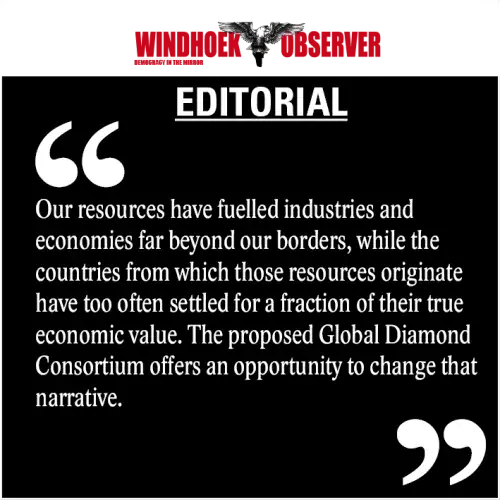
The proposed Global Diamond Consortium offers an opportunity to change the narrative of Africa's role in the global economy. For too long, Africa has been content to occupy the bottom end of the global value chain, supplying the world with raw materials while others have controlled the technology, markets, expertise and profits generated from them. The consortium's bid is an encouraging sign of African cooperation that deserves to be celebrated and replicated across the continent.
The involvement of De Beers' Element Six business, which specialises in advanced synthetic diamond technology, presents opportunities to position the region beyond traditional mining, cutting, polishing and trading. This could lead to beneficiation, technology transfer, skills development, industrialisation and ensuring that a greater proportion of the value created by African diamonds remains on African soil.
However, there is a need for clear-eyed commercial judgement in this deal. The natural diamond industry faces considerable challenges, including changing consumer preferences, competition from laboratory-grown diamonds and uncertainty in international markets. Economist Robin Sherbourne has questioned whether a potential N$3 billion investment in De Beers represents the best use of scarce public resources.
For Namibia, the opportunity is particularly significant, with the government already holding 50% interests in Namdeb, Debmarine Namibia and the Namibia Diamond Trading Company. A meaningful stake in De Beers could strengthen Namibia's influence across the diamond value chain and provide an opportunity to shape decisions affecting the future of its industry.
To succeed, the three countries must approach this as a genuine strategic partnership, not merely a financial arrangement. They should use their combined influence to negotiate better market access, develop regional skills, attract investment, expand local manufacturing and build institutions capable of competing internationally. Transparency and accountability are prerequisites for the success of this initiative.
The ultimate measure of success will not be the percentage of De Beers owned by African governments, but the jobs created, businesses developed, technologies transferred, skills acquired and wealth retained on the continent. African resources must increasingly translate into African ownership, African industries, African expertise and African prosperity.
Key points
- The proposed consortium offers a glimpse of a different approach: African countries working together, pooling their strengths and moving from being participants in global industries to becoming influential owners and decision-makers.
Reporting sources
- THIS IS THE AFRICA WE WANT: TAKING OWNERSHIP OF OUR WEALTH · Windhoek Observer