African countries have been urged to urgently turn existing seed policies into active investments to drive agricultural transformation. AU Deputy Chairperson Ambassador Selma Malika Haddadi made the call at a recent summit, highlighting that the continent's primary bottleneck is the slow pace of policy implementation. Haddadi stressed that strengthening seed systems is critical to fulfilling the Kampala Declaration on the Comprehensive Africa Agriculture Development Programme (CAADP) and the CAADP Strategy and Action Plan 2026–2035.
Haddadi noted that many member states have persistent gaps in seed research, breeding, regulatory enforcement, quality assurance, and certification. In many rural communities, farmers still struggle to obtain high-quality seeds at the right time, in sufficient quantities, and at affordable prices. This has significant implications for food security and agricultural development on the continent. The AU Deputy Chairperson emphasized that addressing these challenges requires a multi-faceted approach.
Haddadi outlined three priorities for structural progress: investment, integration, and accountability. She called for sustained financing across seed-testing laboratories, extension services, and market infrastructure, alongside policies that encourage private-sector involvement and support small and medium seed enterprises. This would help to improve the availability and accessibility of high-quality seeds for farmers.
The AU Deputy Chairperson also advocated for integrating formal and farmer-managed seed systems, boosting cross-border trade through harmonized regulations, and expanding opportunities for women and young entrepreneurs in agriculture. By doing so, Africa can leverage the potential of its agricultural sector to drive economic growth and development. Haddadi emphasized that this requires a collaborative effort from all stakeholders.
Haddadi's call to action is seen as a critical step towards achieving Africa's agricultural transformation. The continent has made significant progress in recent years in developing policies and strategies to drive agricultural development. However, the slow pace of implementation has hindered progress. By turning seed plans into action, Africa can make significant strides in improving food security and driving economic growth.
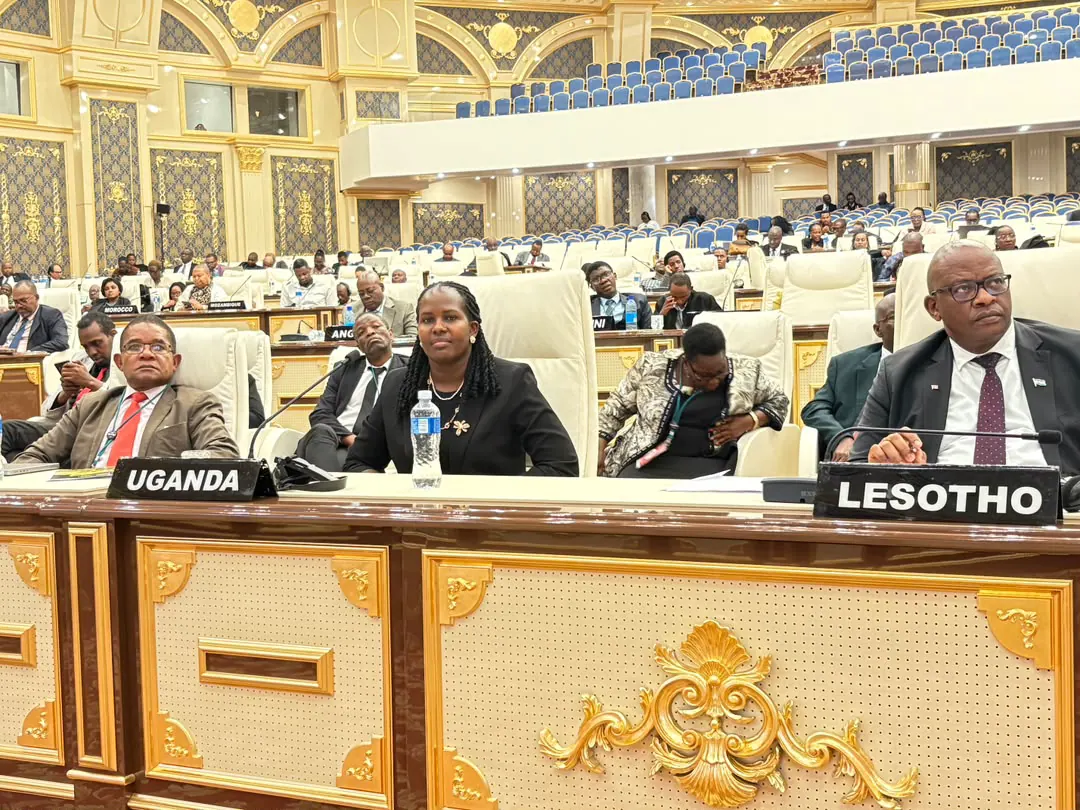
The summit where Haddadi made the call was attended by delegates from across the continent, who discussed key issues related to agricultural development. The event provided a platform for stakeholders to share experiences, best practices, and innovative solutions to drive agricultural transformation. Participants emphasized the need for a coordinated approach to address the challenges facing the sector.
As Africa continues to grapple with the challenges of food insecurity and agricultural underdevelopment, Haddadi's message serves as a reminder of the need for urgent action. By prioritizing the implementation of seed policies and investing in agricultural development, Africa can unlock the potential of its agricultural sector and drive sustainable economic growth.
Key points
- Africa's agricultural transformation requires urgent implementation of seed policies.
- Strengthening seed systems is critical to fulfilling the Kampala Declaration on CAADP.
- Investment, integration, and accountability are essential for structural progress in Africa's agricultural sector.