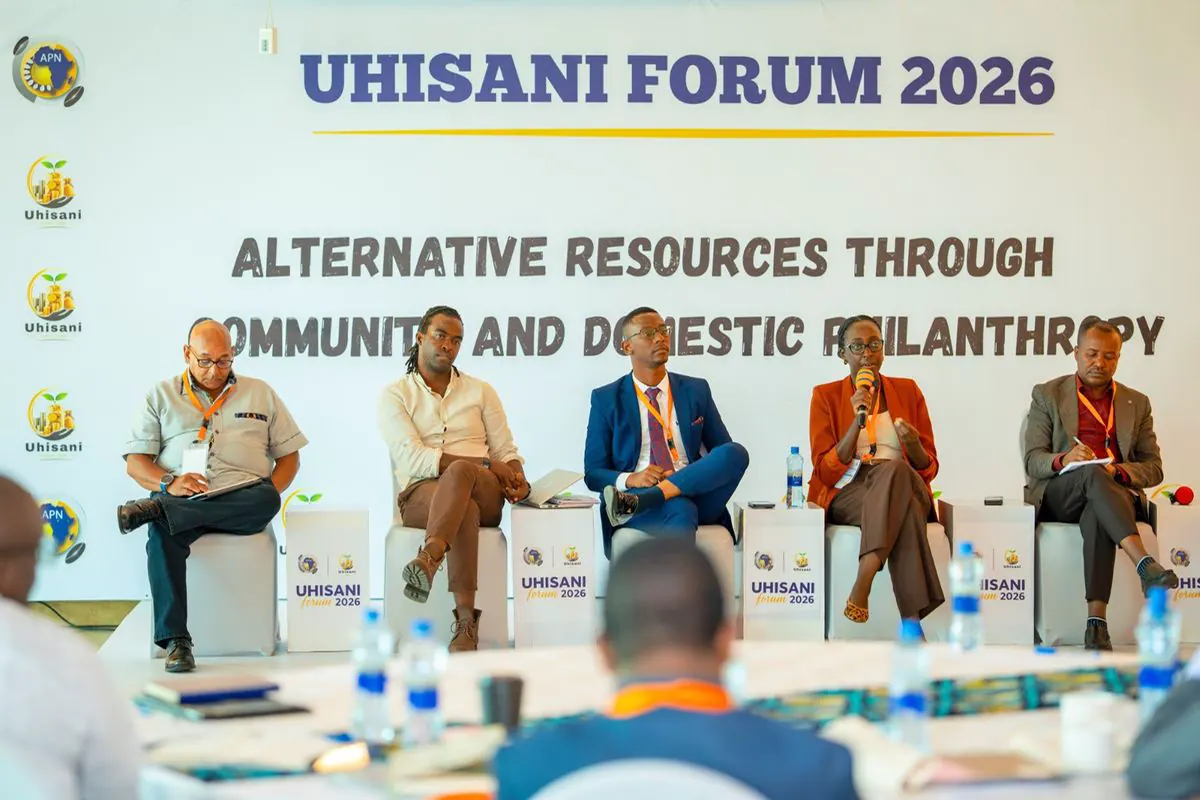
The African philanthropy sector is shifting its focus towards community and domestic resources as international development funding becomes increasingly uncertain. The UHISANI Forum 2026, convened by the African Philanthropy Network (APN) in Dar es Salaam, brought together over 90 philanthropy actors from Tanzania, Ethiopia, South Africa, and Uganda to discuss ways of strengthening local fundraising, partnerships, and community ownership. The forum's theme, "Alternative Resources through Community and Domestic Philanthropy," highlighted the need for civil society organisations to diversify their resources.
The forum's discussions were informed by changes in the international funding environment, which have affected civil society organisations across Tanzania and Africa. Reductions and shifts in external donor funding have created challenges for the implementation of social justice initiatives that traditionally rely heavily on international grants. APN Executive Director Stigmata Tenga emphasised the importance of African-led approaches and local solutions in building resilient communities. She noted that indigenous giving practices, innovative approaches, and partnerships could help address social challenges while strengthening local ownership.
Participants at the forum explored various approaches to local resource mobilisation, including community contributions, individual giving, social enterprises, partnerships with businesses, savings schemes, and other forms of domestic resource mobilisation. They also examined the potential of established community structures such as Village Community Banks (VICOBA), SACCOS, and faith-based organisations. These structures were seen as existing mechanisms through which communities already save, invest, and finance their own priorities.
Examples from Tanzania demonstrated the potential of locally driven approaches. The Zanzibar Youth Forum mobilised over Sh11 million after staff and members committed portions of their salaries and allowances towards supporting a rehabilitation centre for young people recovering from drug addiction. The Tanzania League of the Blind also mobilised cash and in-kind support through its Friends of Children with Disabilities campaign, engaging government officials, businesses, teachers, parents, and community members.
Other organisations have explored social enterprise as a way of generating resources. Thubutu Initiative Africa reported generating approximately Sh80 million in profit from its avocado farming activities last year, with part of the income reinvested in community interventions. Participants stressed that local resource mobilisation should not be understood simply as replacing international donors but rather as contributing to a diversified financing ecosystem.
Financial literacy was identified as another component of community self-reliance. During an Ignite Talk, Ms Lulu Meero of CRDB Bank said financial education could help communities strengthen their ability to budget, save, invest, and manage credit. The forum also placed emphasis on inclusion, with Ms Rose Marandu of the Tanzania Women Fund Trust calling for philanthropy and resource mobilisation approaches to address gender inequalities and barriers that prevent women and marginalised groups from accessing resources.
The APN also launched the Philanthropy Hub, a movement of over 19 organisations and foundations intended to strengthen collaboration, learning, and domestic philanthropy in Tanzania. The discussions will continue at the APN Assembly 2026, scheduled for November 2-6 in Accra, Ghana, under the theme "African Philanthropy in Action: Adopt, Advance, Amplify." The Assembly is expected to bring together philanthropy leaders and practitioners from across Africa and beyond.
Key points
- African philanthropy actors are seeking community and domestic resources amid uncertain international development funding.
- The sector is exploring local fundraising, partnerships, and community ownership to strengthen community resilience.
- Financial literacy and inclusion are key components of community self-reliance.