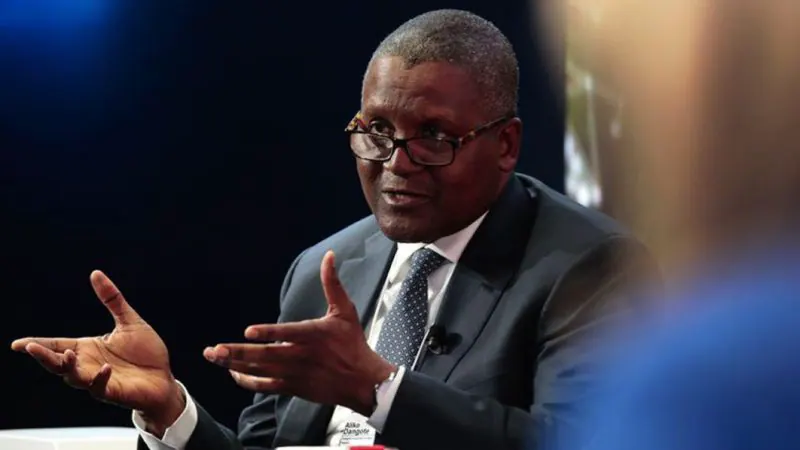
Nigerian businessman and Dangote Group President, Aliko Dangote, has predicted that Africa will largely end its reliance on imported refined petroleum products by 2030. He made this statement in Nairobi, Kenya, ahead of the planned groundbreaking of a $16bn refinery project on Kenya's coast. The proposed refinery, expected to have a refining capacity of 700,000 barrels per day, is planned for Lamu and will take about 30 months to complete.
Dangote's prediction is part of a broader effort to ensure that African countries increasingly refine crude oil within the continent rather than export raw materials and import finished petroleum products. He emphasized that it does not matter where the oil is refined, but it should be in the African continent. Dangote stressed that the continent needs to begin addressing its energy and industrial needs now, rather than waiting for its population and economic demands to increase further.
The proposed Kenyan refinery is expected to be a large investment for the East African region, but Dangote said it represents only a starting point for wider industrial development. He described it as a significant step towards meeting Africa's growing demand for refined petroleum products. The refinery will also create numerous industries around it, contributing to the region's economic growth.
However, the project has raised concerns about where it will obtain sufficient crude oil, particularly as East African countries are only beginning to develop significant oil reserves. Dangote addressed these concerns, stating that the refinery will source crude from different locations, including the Middle East and the United States. Additionally, it will process crude produced by African countries as oil production increases in countries such as Kenya, Tanzania, and Mozambique.
The project, being developed in Lamu, an area along Kenya's Indian Ocean coast, has faced opposition over land rights and environmental concerns. Despite this, Dangote dismissed concerns over the legal and environmental opposition to the project, stating that some people do not want to see Africa develop. He expressed confidence that the project will move forward without significant obstacles.
Dangote also highlighted Africa's dependence on imported finished products as one of the continent's major economic challenges. He argued that African countries lose significant economic value by exporting raw materials and subsequently importing finished products made from those materials. This results in exporting employment opportunities, as processing and manufacturing jobs are created outside Africa.
According to Dangote, expanding refining and other industrial activities within Africa will help the continent retain more value from its natural resources while supporting local industries and employment. He emphasized that this is crucial for Africa's economic development and growth. The Dangote Group's $16bn refinery project is a significant step towards achieving this goal, and its impact will be closely monitored in the coming years.
Key points
- Aliko Dangote predicts Africa will largely end its reliance on imported refined petroleum products by 2030.
- The proposed Kenyan refinery will have a refining capacity of 700,000 barrels per day and is expected to take about 30 months to complete.
- Dangote emphasizes that Africa's dependence on imported finished products is a major economic challenge that needs to be addressed through increased refining and industrial activities within the continent.