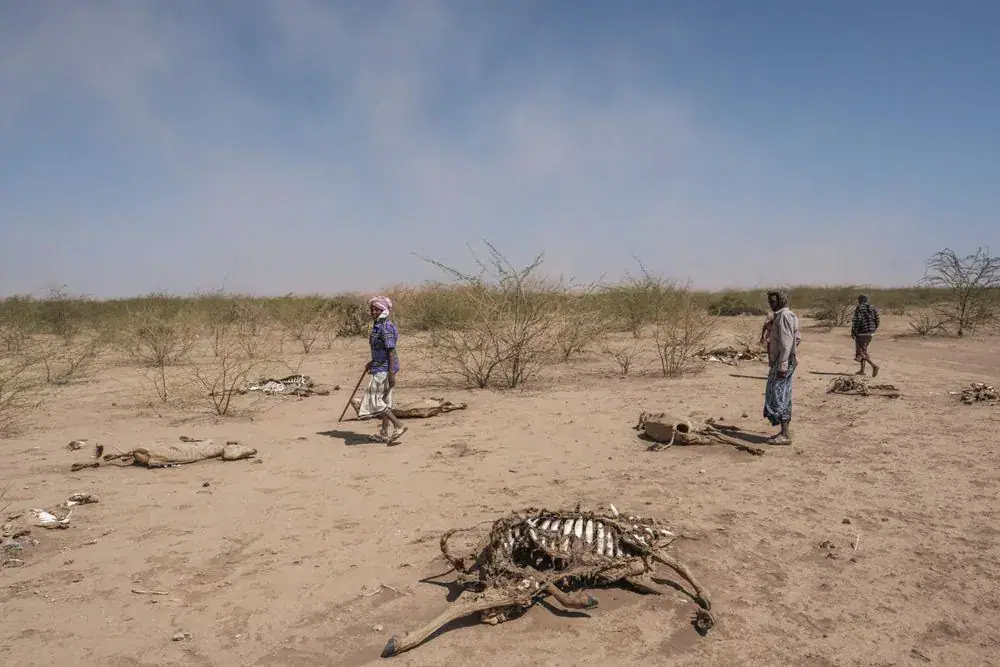
As the African Union convenes the 17th Commemoration of Africa Day for Food and Nutrition Security in Nairobi, a stark reality confronts the continent: Africa has more people experiencing hunger than any other region in the world. The latest United Nations State of Food Security and Nutrition in the World report estimates that 309 million Africans experienced hunger in 2025. This figure stands in contrast to 292 million people in Asia.
The crisis extends beyond food production to access, distribution, purchasing power, and political priorities. Ongoing war and conflict across parts of the continent have worsened the food emergency. In Sudan, agricultural production has been severely disrupted. In the Democratic Republic of the Congo and parts of the Sahel, insecurity and insurgency are severely hampering farmland cultivation.
The consequences of these challenges are far-reaching, including immediate hunger, long-term malnutrition, disruptions in education, and poor development for a generation of African children. Even in countries with significant agricultural production, food security remains a challenge. In South Africa, a major agricultural producer and exporter, 23% of children experienced severe food poverty in 2024, according to UNICEF.
Food security is a vital measure of transformation and economic sovereignty. A country that cannot adequately nourish its children cannot claim economic independence. As Burkina Faso's former president, Thomas Sankara, championed domestic production and land reform, reducing dependence on imported goods. Four decades later, this principle remains relevant for current leaders.
The African Union has adopted various frameworks and policies to address food security, including the Comprehensive Africa Agriculture Development Programme. However, the implementation and accountability of these initiatives have been lacking. The African Union's fifth Biennial Review of the programme recorded a continental average score of 5.25 against a benchmark of 9.40.
Climate change and shocks, such as unseasonable droughts and floods, have made the food challenge especially urgent. Adaptation efforts are hindered by a lack of infrastructure, insurance, and suitable technology in rural communities. Debt pressures and high costs for seeds, fertiliser, and transportation compound these difficulties.
To address these challenges, experts stress the need for adequate financing for agriculture, resilient supply chains, capable institutions, transparent monitoring, and enforceable consequences for failed implementation. The African Continental Free Trade Area is seen as an essential vehicle for integration, but it must be geared to benefit producers and consumers rather than enabling more opportunities for foreign trade elites.
Key points
- 309 million Africans experienced hunger in 2025
- Food security is a vital measure of transformation and economic sovereignty
- The African Union's initiatives have been hindered by poor implementation and accountability