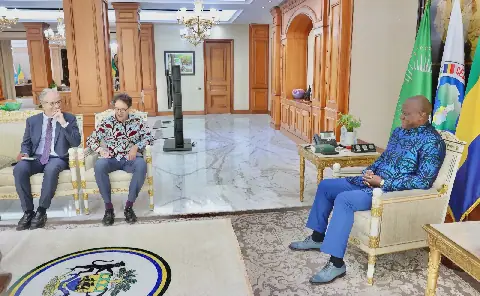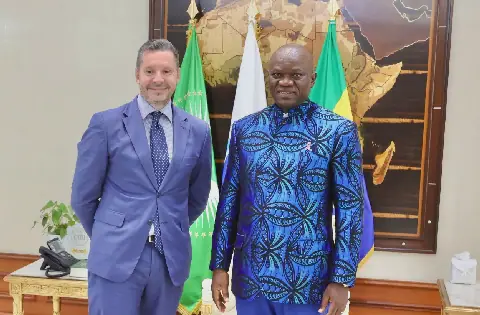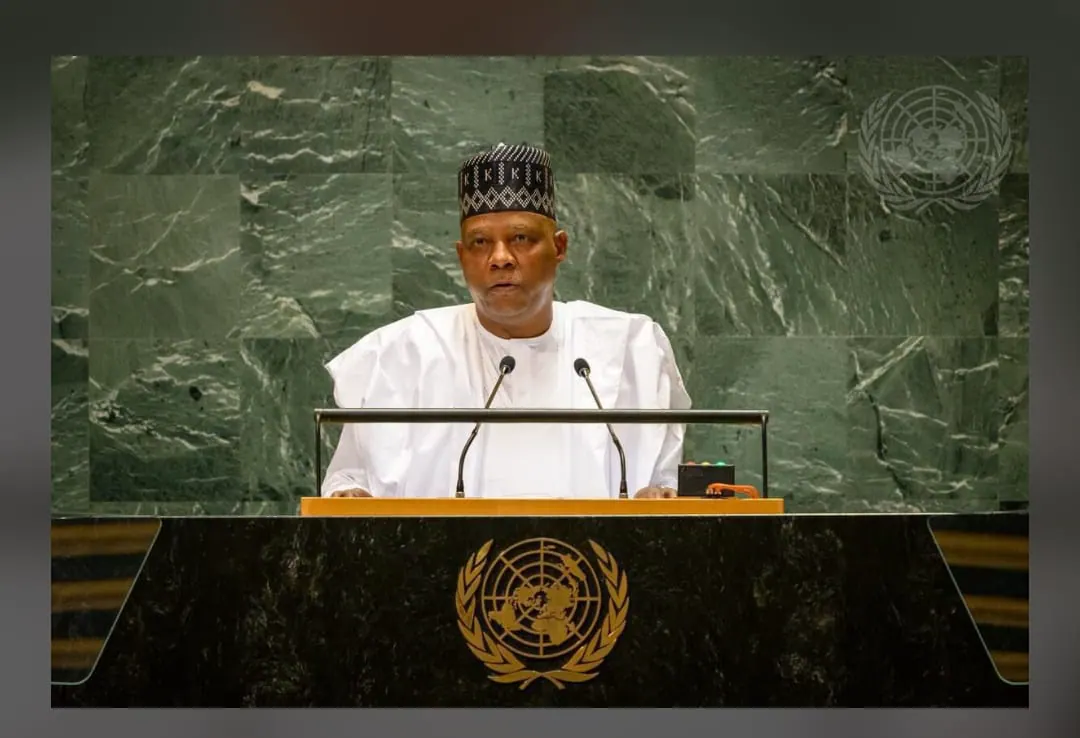
African leaders who represented the continent at the recently concluded United Nations General Assembly spoke about the problems facing the continent, including debt, insecurity, climate injustice, and unfair trade. They also unanimously demanded a permanent seat on the UN Security Council, citing the continent's significant contribution to global peace and security. The African Union formalized this demand in 2005 through the Ezulwini Consensus, which called for two permanent seats with full veto powers and five additional non-permanent seats.
The United Nations was founded in 1945 with the primary aim of maintaining international peace and security. However, Africa was barely present at the founding, with only Egypt, Ethiopia, Liberia, and South Africa among the original members. The structure of the UN Security Council reflects the balance of power at the end of World War II, which has shifted beyond recognition. The Council has five permanent members - the United States, Russia, China, France, and the United Kingdom - each with a veto power, and ten non-permanent members.
The UN Security Council has primary responsibility for maintaining international peace and security, making major binding decisions on global peace and security. Africa's 54 states make up more than a quarter of the UN General Assembly, but the weight of numbers counts for little. Assembly resolutions are recommendations and bind no one, while the Security Council's decisions are binding. Currently, three African countries sit as non-permanent members of the Security Council for a fixed term of two years, but they cannot block any resolution.
No African country has been granted a permanent seat on the Security Council, despite the continent's significant contribution to global peace and security. Africa features heavily on the Council's agenda, and a large share of the peacekeeping missions it has authorized have been deployed on African soil. The continent supplies the crises and many of the soldiers, yet it is denied a permanent hand in the verdict. This has led to criticisms that the UN Security Council is not representative of the global community.
Negotiations on Council reform have dragged on since 2009 with little to show beyond documents. India, Brazil, Germany, and Japan have pressed their own claims, while Africa's demand has been welcomed in statements far more often than in decisions. Complaints repeated every September, with no leverage behind them, become a ritual that the powerful can watch with polite patience. African leaders must put things right at home to build credibility and justify their demand for a permanent seat.
Nigeria, the most populous country on the continent, has often cast itself as a natural candidate for a permanent seat, citing its record in peacekeeping in Liberia and Sierra Leone and its leadership within ECOWAS. However, its claim weakens when its own citizens are ready to die in the Mediterranean Sea to escape harsh realities at home. Credibility is built at home, and a country that cannot keep its citizens safe asks the world for a seat while its own roof leaks.
The way forward for Africa is practical. The African Union must agree in advance on who would occupy any seats granted to the continent, whether by rotation or by clear criteria. The African Continental Free Trade Area, if implemented with seriousness, can turn a market of 1.4 billion people into an economic weight that no capital can wave aside. Nigeria can lead by example and justify its designation as the true giant of Africa.
Key points
- African leaders demand a permanent seat on the UN Security Council, citing historical injustices and current relevance.
- The UN Security Council's structure reflects the balance of power at the end of World War II, which has shifted beyond recognition.
- Africa's credibility and influence on the global stage depend on its ability to address its own challenges and build a strong economic foundation.