The African Union launched the Single African Air Transport Market (SAATM) on January 28, 2018, to create a unified air transport system across the continent. The initiative aims to enable more direct and potentially cheaper flights by embracing free-route airspace. This approach allows airlines to plan user-preferred routes and fly more direct paths based on weather, winds, and traffic conditions. According to the International Air Transport Association (IATA), only 19 percent of intra-African routes currently have direct flights.
The current air transport system in Africa is characterized by high costs, with fuel prices 17 percent higher and taxes and charges 12-15 percent higher than the global average. African airlines operate in one of the world’s toughest cost environments, which is attributed to governments treating aviation as a source of revenue rather than a catalyst for economic development. The high costs are also caused by increased fuel costs due to the US/Iran war. As a result, many passengers are forced to take longer and more expensive journeys through hubs outside the continent.
To address these challenges, the African Airlines Association (AFRAA) has introduced a Free Route Airspace system, which allows airlines to plan user-preferred routes and fly more direct paths. The system relies on four key elements: user-preferred routes based on prevailing winds, weather, and aircraft payload; coordination between air navigation service providers; continuous monitoring and separation of aircraft; and faster approvals. The AFRAA led initiative has already shown promising results, with one launch airline projected to save 1,393 flight hours and $15 million in operational costs annually.
The Free Route Airspace system is being implemented in phases, with 24 states in West and Central Africa already operational. The system became fully open to user-preferred routes for any airlines by October 30th, 2025. AFRAA is working with global, continental, and national aviation bodies to deliver the new airspace arrangements. The International Civil Aviation Organization (ICAO) provides the regulatory framework, while the International Air Transport Association (IATA) contributes industry data and standards.
The implementation of the Free Route Airspace system is expected to have a significant impact on the aviation industry in Africa. With more direct routes, passengers visiting neighboring African countries will no longer be funneled through European or Middle Eastern hubs. The system is also expected to reduce fuel consumption and carbon emissions. According to initial projections, one launch airline could save 5,000 tonnes of fuel and 15,750 tonnes of carbon dioxide emissions annually.
The success of the Free Route Airspace system in West and Central Africa has led to plans to extend the experiment to Eastern and Southern Africa. However, several challenges need to be addressed, including regulatory, infrastructure, and market barriers that have kept cross-border air travel expensive. National regulators and service providers are working to implement the changes on the ground, with the support of the African Export-Import Bank (Afreximbank).
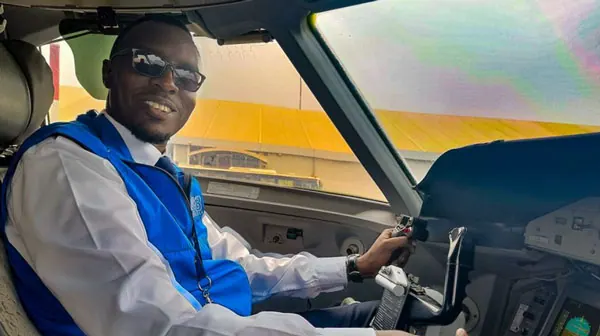
The introduction of the Free Route Airspace system is expected to revolutionize air travel in Africa. With more direct routes and reduced costs, passengers will benefit from cheaper and more efficient flights. The system will also enable airlines to operate more sustainably, reducing fuel consumption and carbon emissions. As Captain Ayub Gitau, Head of Flight Operations at 748 Air Services, noted, the new system will make it easier for airlines to fly across Africa, with shorter routes and reduced duty times.
Key points
- The African Union's Single African Air Transport Market aims to enable direct and cheaper flights across the continent.
- The Free Route Airspace system has already shown promising results, with one launch airline projected to save $15 million in operational costs annually.
- The implementation of the Free Route Airspace system is expected to reduce fuel consumption and carbon emissions, with one launch airline projected to save 5,000 tonnes of fuel and 15,750 tonnes of carbon dioxide emissions annually.