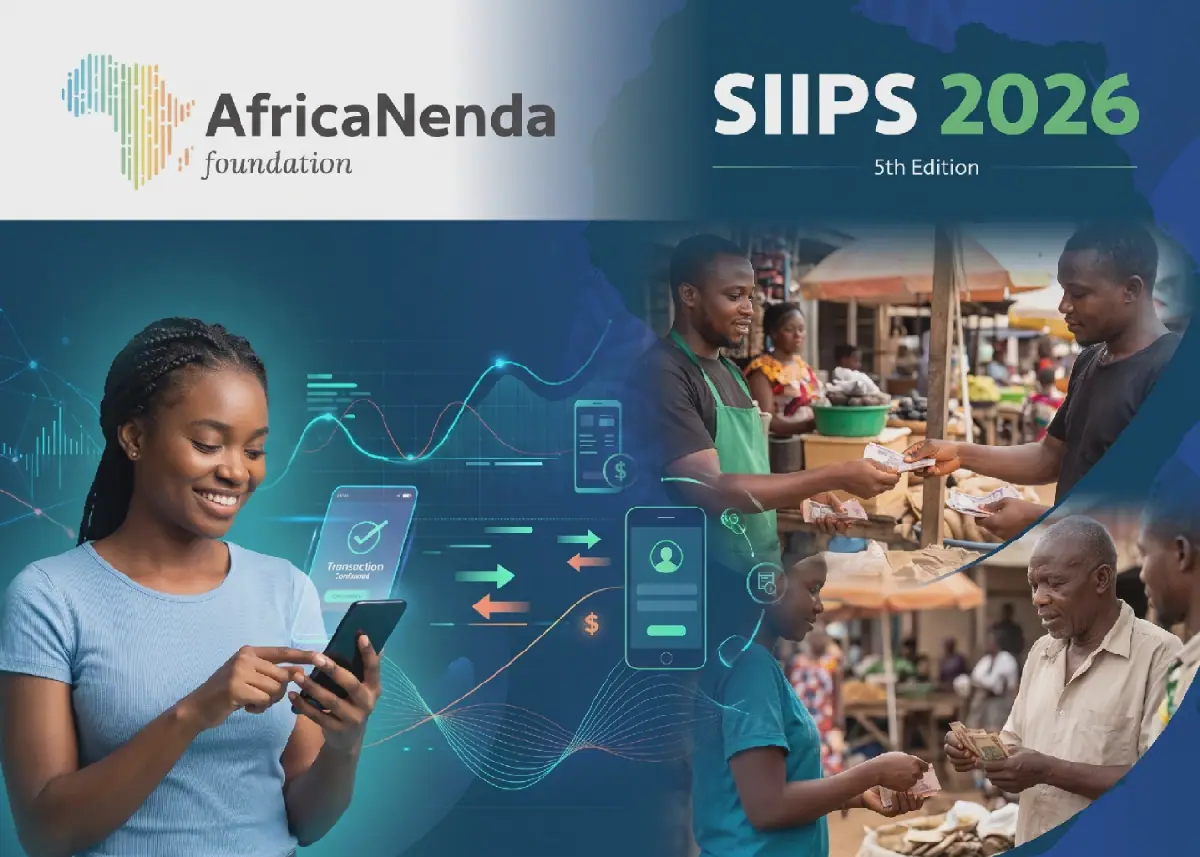
Africa's instant payment systems have achieved a significant milestone, processing 71.4 billion transactions worth approximately $1.8 trillion in 2025. This represents a substantial increase, almost three times the volume recorded in 2021. The growth is attributed to the expansion of instant payment systems across the continent, with 39 systems now in operation. These systems enable the transfer of money between bank accounts and mobile wallets within seconds.
The AfricaNenda Foundation, in collaboration with the UN Economic Commission for Africa and the World Bank Group, has released the fifth State of Inclusive Instant Payment Systems in Africa (SIIPS) report. The report highlights the rapid growth of instant payment systems, with 35 national systems and four regional systems operating across 43 countries. This represents a significant increase in access, with 89% of the continent's adults now covered. New systems have been launched in Liberia, Burundi, Guinea, and Mauritania over the past year.
The report notes a shift in the way people use instant payment systems. Volumes have grown by an average of 28% per year since 2021, while the average payment has decreased from $45 to $26. This suggests that growth is driven by people making small, everyday purchases rather than occasional large transfers. Mobile money accounts for 73% of all transactions, with wallets, agents, USSD, and basic phones remaining the primary channels for most users.
Despite the growth in access, many users still rely on cash for a significant portion of their transactions. A survey of 1,403 digital payment users across 15 markets found that 55% still pay cash for about half of their transactions. The main reasons for this include delays, sending money to the wrong person, and lack of knowledge on how to report issues. Users who experience problems with digital payments often cut back on their usage, while those who receive refunds tend to continue using the services.
The report emphasizes the importance of trust in driving the adoption of instant payment systems. AfricaNenda Foundation Deputy CEO Sabine F. Mensah notes that trust is built through instant payments with preventive safeguards, such as recipient name validation and real-time payment confirmation. Timely resolution and refund of failed payments also play a crucial role in maintaining user trust. The report recommends that operators build recipient verification, real-time confirmations, and structured recourse into scheme rules.
Payment service providers are adopting AI fraud defenses at a faster rate than system operators, while users are increasingly concerned about AI risks, particularly deepfakes. The report urges regulators to set clear consumer protection standards, open participation to licensed non-bank providers, and clarify liability for authorized push-payment fraud. It also suggests that consent-based transaction data can be used to extend credit, savings, and insurance to small businesses.
The report's authors emphasize that the next phase of development should focus on making instant payment systems affordable, safe, and sustainable. AfricaNenda Foundation CEO Dr. Robert Ochola notes that Africa has built inclusive instant payment infrastructure at remarkable speed, and the next five years must focus on driving usage and confidence. The report's measure of success will be judged by whether households, merchants, and governments use these systems with confidence every day.
Key points
- Africa's instant payment systems processed 71.4 billion transactions worth $1.8 trillion in 2025.
- 39 instant payment systems are now operating across the continent, covering 89% of adults.
- The next phase of development should focus on making instant payment systems affordable, safe, and sustainable.
Reporting sources
- techweez.com · techweez.com