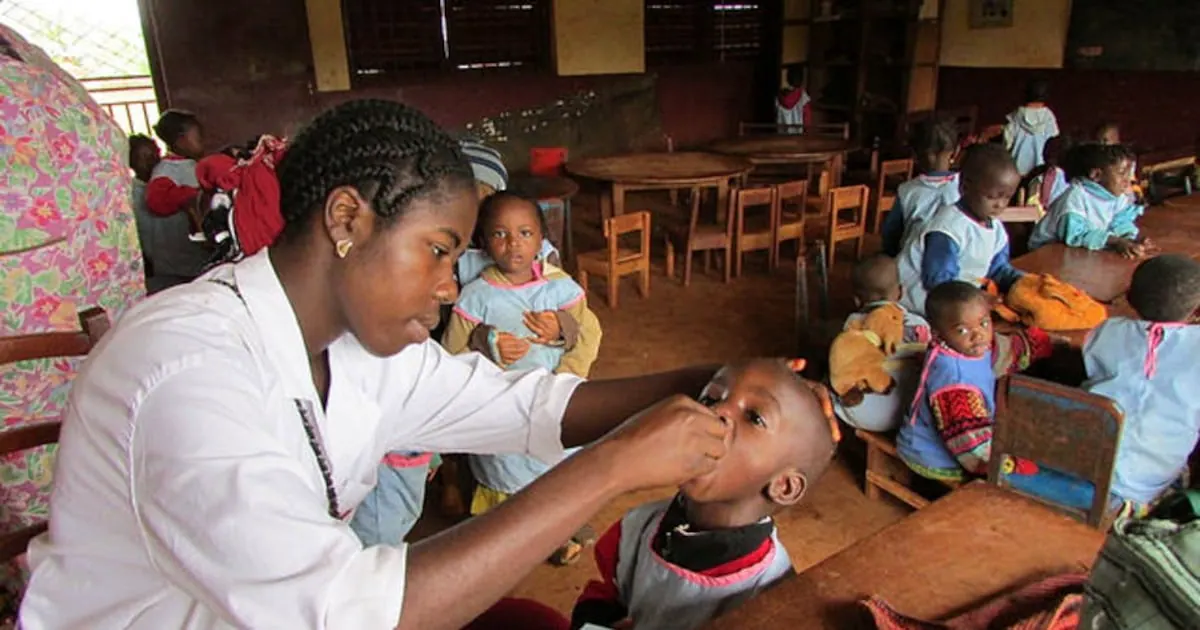
Africa has reached a critical juncture in its immunisation journey, with vaccination coverage not increasing rapidly enough to keep pace with population growth and persistent inequities. Despite progress in saving millions of lives, vaccination rates have slowed, with about 7.1-million African children not receiving a single routine vaccine dose in 2025. This decline has led to increased measles and other vaccine-preventable disease outbreaks, driven by immunity gaps, conflict, and vaccine hesitancy.
The Africa Centres for Disease Control and Prevention (Africa CDC) has launched the Continental Immunisation Strategy 2026-2030 to address these challenges. The strategy focuses on six key areas, including financing, data and digital systems, life-course vaccination, community engagement, vaccine manufacturing, and emergency preparedness. Immunisation practitioners, researchers, and advisers contributed to the strategy's development and now support its implementation. They have identified five priorities that apply to all six areas, including sustainable domestic financing and genuine community partnership.
The greatest threat to immunisation in Africa is not the availability of effective vaccines but the ability of countries to finance and deliver them reliably. International partners have helped countries introduce vaccines and strengthen delivery systems, but predictable national budgets are essential. The fiscal squeeze is real, with governments facing competing demands on their resources, including debt servicing, food insecurity, and climate shocks. Growing populations have increased the number of children who need routine vaccines, making it essential to use scarce resources efficiently.
Immunisation is considered a best buy, returning about $54 for every dollar invested. Predictable domestic financing gives countries more control over priorities and makes programmes less vulnerable to donor cycles. Many programmes still rely on paper registers, which are ill-suited to highly mobile populations and expanding vaccine schedules. Electronic immunisation registries can improve efficiency and accountability, as seen in Rwanda, which integrated its vaccine registry with electronic birth systems in 2022.
The original Expanded Programme on Immunisation was designed primarily to protect infants, but today's realities require a life-course approach to vaccination. Vaccination should become a routine part of primary healthcare, with community health workers playing a crucial role in connecting families with services. Nigeria's community health influencer programme is an example of successful community engagement, identifying zero-dose children and linking them to healthcare services.
Immunisation programmes succeed when people trust the vaccines, health workers, and institutions running the programme. People are more likely to accept vaccines when they feel respected and involved. Community health workers, religious leaders, and traditional authorities can help build trust, as seen in Sierra Leone and northern Nigeria. Trust is built through consistent service quality and partnership, not during emergencies.
Covid-19 exposed Africa's dependence on imported vaccines and the vulnerability of global supply chains. The Continental Immunisation Strategy supports the African Union's ambition to produce 60% of Africa's vaccine needs locally by 2040. Existing manufacturing capabilities in countries like Senegal, South Africa, Egypt, and Tunisia can be leveraged, but sustainable manufacturing requires predictable demand, pooled procurement, and technology transfer. The task now is to develop costed national plans and transparent annual reporting to measure progress.
Key points
- Sustainable domestic financing is crucial for immunisation programmes in Africa.
- Electronic immunisation registries can improve efficiency and accountability in vaccination programmes.
- Community engagement and trust-building are essential for successful immunisation programmes.