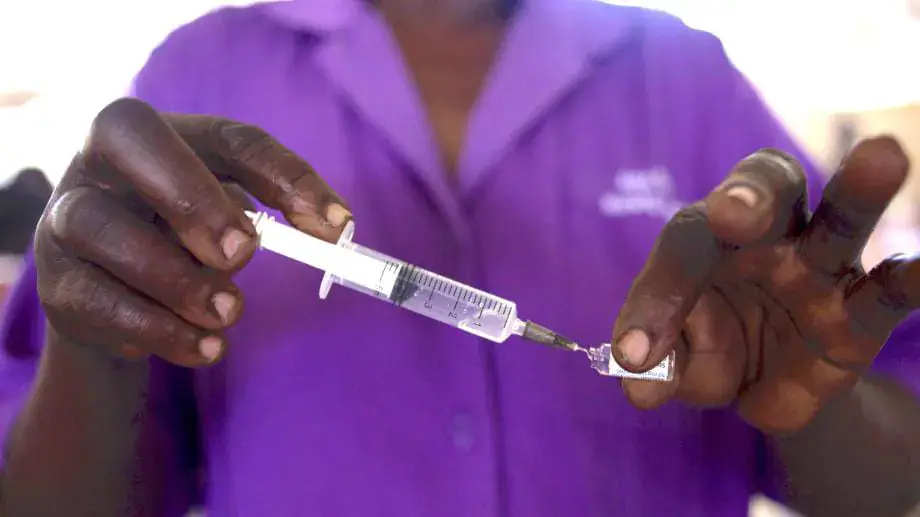
The Medicines for Malaria Venture (MMV) and Rinda Ubuzima, a Rwandan health research organization, have launched a Phase 1b clinical trial for a long-acting injectable (LAI) to prevent malaria. This trial marks the first Phase 1 trial of a malaria LAI conducted in Africa. The study will evaluate the safety, tolerability, and efficacy of MMV371, a compound designed to provide extended protection against malaria. This development is a critical step towards introducing new tools to combat malaria.
Malaria remains a significant public health challenge in Africa, with over 280 million cases and 600,000 deaths reported in 2024, according to the World Health Organization. The emergence of antimalarial drug resistance, changing disease patterns due to climate change, and fragile health systems highlight the need for sustained investment in research and development. The introduction of long-acting injectables could complement existing interventions such as vector control measures, vaccines, and preventive medicines.
The Phase 1b study builds on earlier research conducted in the United Kingdom, which found that MMV371 was well-tolerated in healthy adults and showed potential to provide protection for approximately three months. This next phase will focus on evaluating its safety and tolerability in Rwandan adults and adolescents, exploring its efficacy, and understanding how the body absorbs and processes the compound.
Dr. Martin Fitchet, CEO of MMV, emphasized the importance of next-generation prevention technologies to eliminate malaria. He noted that long-acting injectables have the potential to redefine malaria prevention by providing sustained protection from a single administration. This could expand the options available to communities at risk.
Partnerships are crucial in the development of new malaria interventions. MMV has a strong track record of collaborating with industry, government, and academia to bring new medicines to those in need. The collaboration with Rinda Ubuzima reflects a shared commitment to advancing innovation through locally led research, strengthening scientific research capacity, and generating evidence for the next generation of malaria tools.
Marie Michele Umulisa, Executive Director of Rinda Ubuzima, highlighted the significance of conducting the study in Rwanda. She emphasized that such partnerships are essential for ensuring that African researchers and institutions contribute to the development of solutions for the communities and countries that need them most.
The study represents a broader shift towards conducting sophisticated early-stage clinical research in malaria-endemic countries. This approach ensures that the development of medicines is informed by the communities they are intended to serve earlier in the research and development process. Collaborative efforts like this clinical trial are paving the way for new preventive approaches and expanding the range of tools available to protect at-risk communities.
Key points
- The trial is the first Phase 1 trial of a malaria LAI conducted in Africa.
- The study aims to evaluate the safety, tolerability, and efficacy of MMV371 in Rwandan adults and adolescents.
- The introduction of long-acting injectables could complement existing interventions to combat malaria.