Africa is facing two significant challenges: the spread of violent Islamist extremism in vulnerable regions and the continued appeal of communist and centralised political models. These distinct forces raise urgent questions about who holds power, how governments respond to public frustration, and whether ordinary people can live with dignity and freedom. The continent must navigate these complex issues carefully to ensure that the rights of citizens are protected.
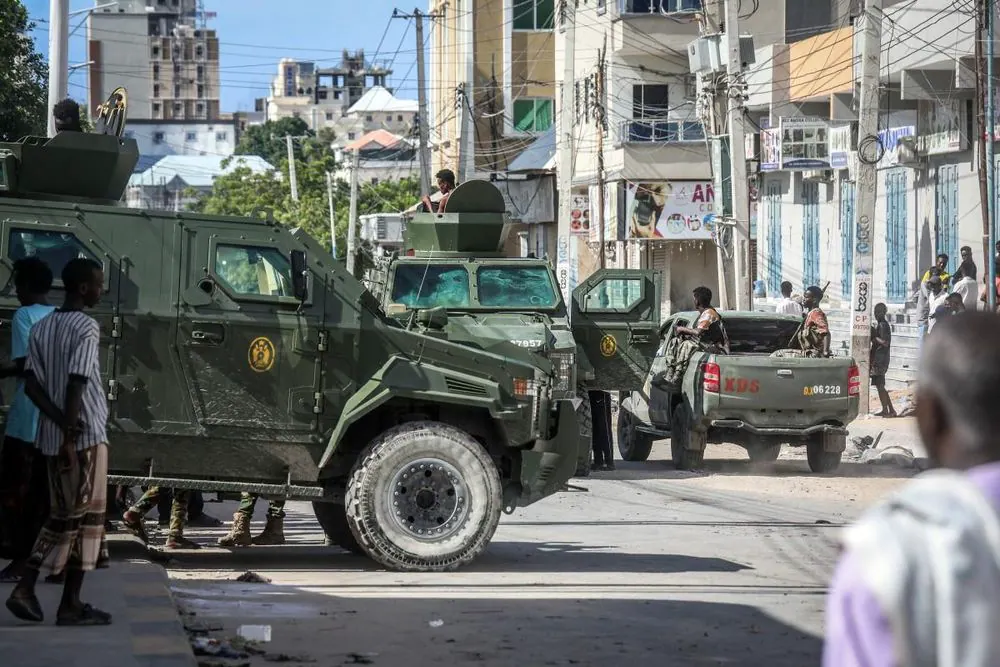
Violent Islamist extremism has become a major concern in Africa, with militant groups exploiting weak state institutions, poverty, insecurity, and local grievances. From the Sahel to Somalia and northern Mozambique, these groups have caused violence, uprooted communities, and made daily life perilous for millions. In the Sahel, al-Qaeda-linked networks have expanded their reach, while in Somalia, al-Shabaab continues to challenge the authority of the state. In Mozambique, militants have terrorised communities in Cabo Delgado.
It is essential to note that these militant groups do not speak for Islam or for the millions of African Muslims who worship peacefully and contribute to their communities. When governments treat an entire faith or population as suspect, they alienate the very communities whose trust and cooperation are needed to defeat extremists. Security forces must protect civilians and dismantle militant networks while respecting the rights of the people they serve.
African governments must pair effective security with competent public services, honest institutions, and economic opportunity. If people have no confidence in the state, a military victory may prove temporary. The conditions that allow violent groups to recruit must be addressed, including corruption, unemployment, impunity, and distant government. Extremists can present themselves as an alternative even when their rule brings brutality and fear.
Communist political traditions and centralised models of governance remain influential across parts of Africa. In South Africa, the South African Communist Party is an established political organisation, rooted in the country’s liberation history. The Chinese Communist Party has also deepened party-to-party relationships and political training with African movements and governments. These developments warrant serious discussion, particularly when a model built around one-party rule and concentrated power is presented as a path to development.
The danger is not that every left-wing party or policy is a threat to democracy, but rather that African societies must be able to debate public ownership, economic equality, and the proper role of the state without suppressing legitimate political debate. Countries should pursue trade, investment, and diplomatic ties wherever those relationships advance their people’s interests. The proper question is whether these choices strengthen accountable government or weaken it.
Ultimately, Africa’s future should not be decided by armed factions, distant powers, or political elites insulated from ordinary citizens. African leaders must be strong enough to protect communities, humble enough to listen, and accountable enough to accept limits on their authority. The measure of success is not simply whether a government defeats its opponents, but whether people can live safely, worship freely, work toward a better future, and hold their leaders responsible.
Key points
- African leaders must balance confronting violent Islamist extremism and scrutinising communist or centralised political influence without sacrificing freedom.