African countries are facing renewed uncertainty over climate financing after the collapse of CoP31 negotiations in Türkiye. The talks ended in disarray, with governments unable to agree on a final cover decision addressing climate finance, the phase-out of fossil fuels, and a just transition. This development has raised fresh concerns about developing countries' ability to respond to escalating climate threats.
The collapse of the negotiations has significant implications for African countries, which had been seeking concrete delivery on climate commitments. Ghana's Minister of Environment, Science and Technology, Zanetor Agyeman-Rawlings, speaking on behalf of the African Group of Negotiators on Climate Change, criticised the outcome. She stated that commitments on adaptation finance lacked clear targets and implementation mechanisms.
Agyeman-Rawlings expressed disappointment that the final text reaffirmed the goal of at least tripling adaptation finance by 2035 but failed to establish a baseline or specify the amount required. She also noted that the text merely welcomed and encouraged support for loss and damage without setting concrete funding targets.
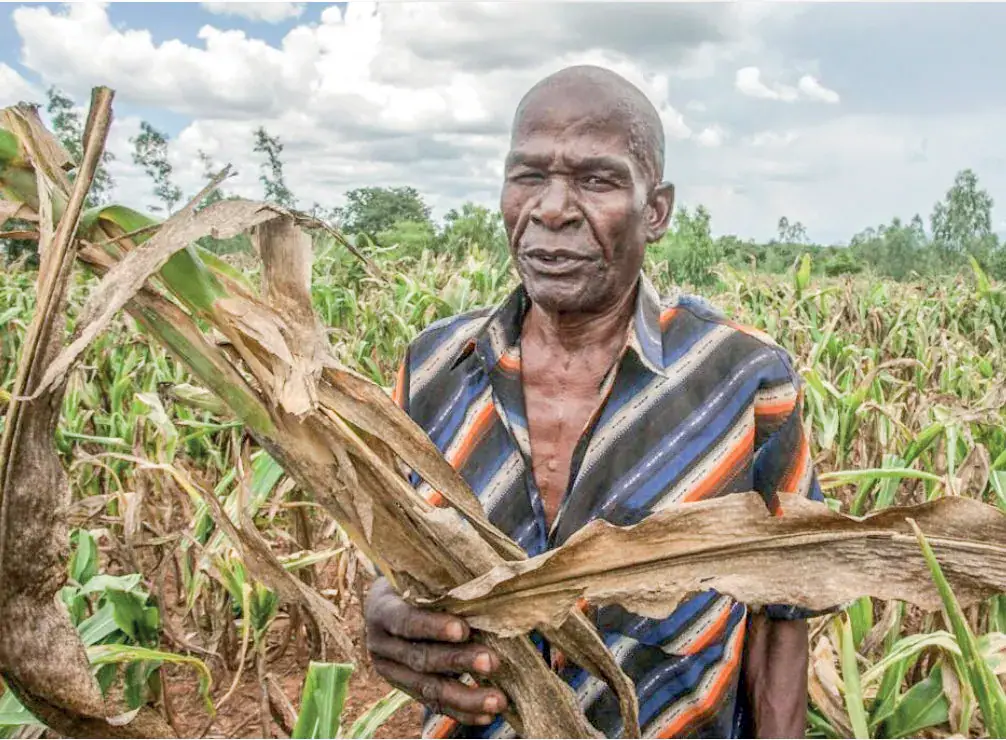
Malawi, a country highly vulnerable to climate change, faces significant challenges in financing its climate commitments. The government estimates that implementing its climate commitments will require $7.06 billion between 2025 and 2035. Approximately $4.28 billion is expected from international climate finance, while the remaining $2.78 billion is expected to come from domestic and other unconditional resources.
Malawi's climate financing gap is further complicated by its reliance on debt-based financing for climate-related investments. A Unicef Malawi Climate Financing Budget Brief for 2025-26 indicates that 61 percent of public climate financing in the national budget comes from blended financing, comprising loans and grants.
The failure to reach an agreement on climate finance has also stalled the operationalisation of the Belém-Antalya Mechanism, a proposed framework for advancing international cooperation on a just transition away from fossil fuels. Developed countries, particularly members of the European Union, were accused of blocking progress.
The deadlock comes as many low- and middle-income countries spend significant public resources on debt repayments and interest, leaving limited fiscal space for climate adaptation, disaster preparedness, and renewable energy investments. Amiera Sawas, Head of Research and Policy at the Fossil Fuel Treaty Initiative, accused wealthy countries of failing to demonstrate credible commitments to a fair global transition.
Key points
- African countries face renewed uncertainty over climate financing after CoP31 negotiations collapse.
- Malawi requires $7.06 billion to implement its climate commitments between 2025 and 2035.
- The collapse of CoP31 talks stalls the operationalisation of the Belém-Antalya Mechanism for a just transition away from fossil fuels.
Reporting sources
- Africa’s climate finance hopes dashed as CoP31 talks collapse · The Daily Times