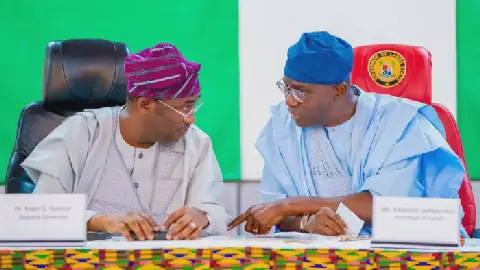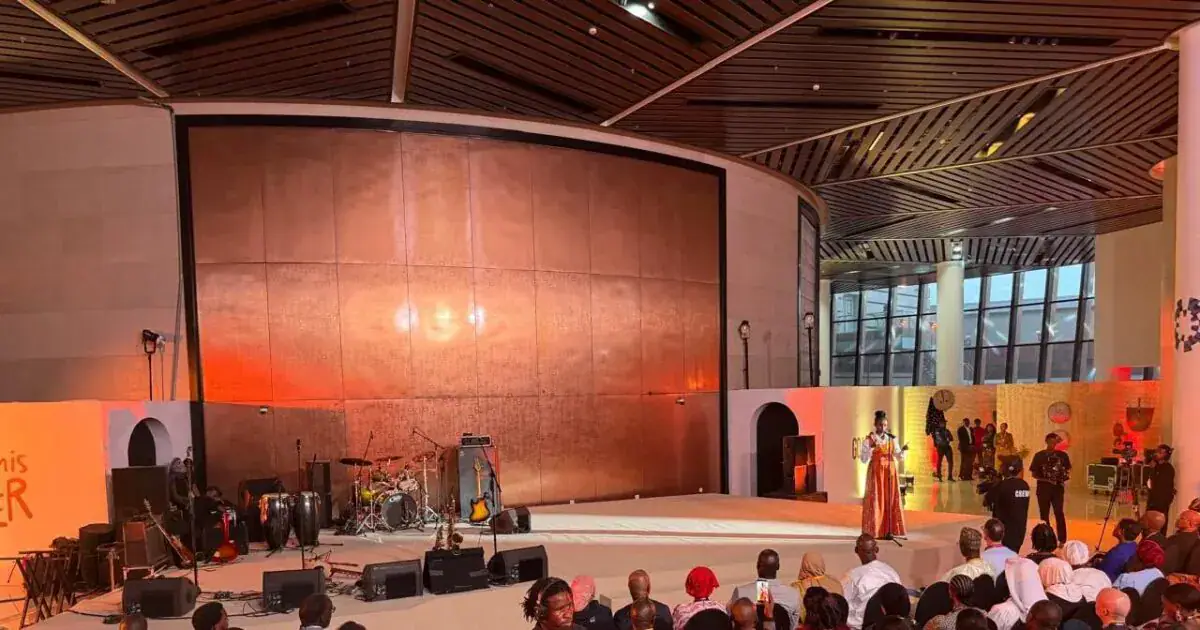
The Gates Foundation's Goalkeepers 2026 gathering was held in Dakar, Senegal, from October 29, focusing on harnessing artificial intelligence (AI) to improve lives across Africa. The event brought together leaders, innovators, development practitioners, and technology enthusiasts to examine AI's potential in addressing challenges in healthcare, education, and agriculture. Under the theme "Make This Matter: AI, Equity, and the Choice We Can't Delay," the gathering showcased practical AI applications while emphasizing the need for equitable access to its benefits. The discussions highlighted concerns that AI's benefits might be concentrated among wealthy countries and communities, leaving vulnerable populations further disadvantaged.
Artificial intelligence is being applied to address practical challenges affecting ordinary people in Africa. In healthcare, AI is helping frontline workers identify potential clinical oversights and make informed decisions. Vyonne Njeri, a clinical officer at Kenya's Penda Health, shared an experience where an AI-powered tool integrated into digital patient records helped identify a congenital heart defect in a four-month-old baby. The tool flagged elevated respiratory and heart rates, prompting further examination and a referral for screening. Njeri emphasized that AI supports clinical judgment and helps medical professionals focus on patients, rather than replacing them.
The language barrier is a significant challenge in implementing AI in Africa. Mamadou Ly, Executive Director of Associates in Research and Education for Development (ARED), highlighted the difficulties faced by children in Senegal who grow up speaking local languages but encounter French as the language of instruction. ARED piloted an initiative allowing children to receive instruction in Wolof, one of Senegal's most widely spoken languages, resulting in improved understanding and participation. Ly argued that AI systems must recognize Africa's linguistic diversity to be inclusive, and that local languages are essential in developing tools to support children's learning.
The Gates Foundation's 2026 Goalkeepers Report notes that over 90% of the data used to train early large language models came from English-language sources, leaving a significant gap in linguistic diversity. This limitation risks excluding millions of people from the opportunities presented by AI. Ly emphasized the need to create AI systems that incorporate local languages, history, and context to ensure inclusivity.
The discussions at the Goalkeepers gathering highlighted the importance of human oversight in AI applications, particularly in healthcare. While AI can support early detection and improve access to medical information, healthcare professionals must retain responsibility for clinical decisions. Njeri stressed that AI is not perfect and can make mistakes, emphasizing the need for trained healthcare professionals, accessible medical facilities, and trust between patients and caregivers.
The event marked the first time the Gates Foundation's Goalkeepers gathering was hosted in Dakar, Senegal. The gathering brought together people working at the intersection of technology and development to showcase practical AI applications. The discussions were anchored on the growing concern that AI's benefits could be concentrated among wealthy countries and communities, leaving vulnerable populations further disadvantaged.
The Goalkeepers gathering emphasized the need for equitable access to AI's benefits, particularly in Africa, where gaps in healthcare, education, and digital infrastructure remain significant. The choices made today will determine whether AI becomes an instrument for reducing inequality or another source of the continent's development divide. The event highlighted the potential of AI to accelerate development, but also the risk of Africa being left behind if its benefits are not equitably distributed.
Key points
- Artificial intelligence is being applied in Africa to address practical challenges in healthcare, education, and agriculture.
- The language barrier is a significant challenge in implementing AI in Africa, with many systems failing to recognize the continent's linguistic diversity.
- The Gates Foundation's Goalkeepers gathering emphasized the need for equitable access to AI's benefits to prevent further disadvantage to vulnerable populations.