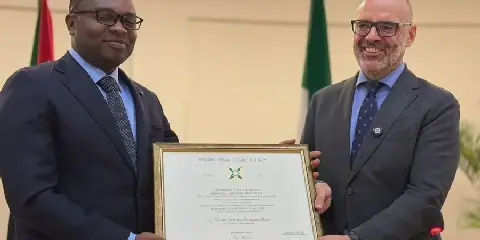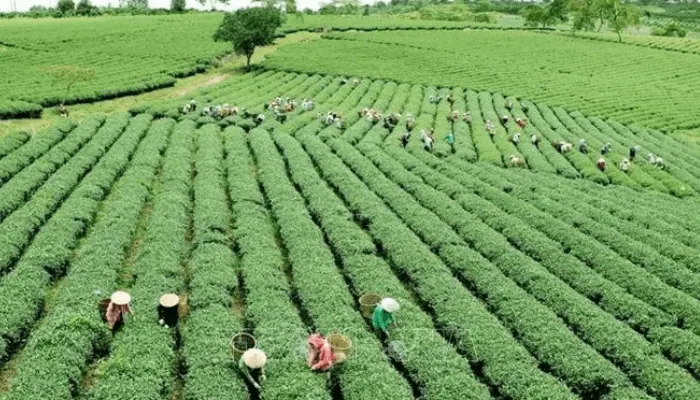
The ninth edition of Agriculture Summit Africa (ASA) has concluded with a call for Africa to move beyond producing raw commodities and focus on owning the processing, storage, trade, and finance that capture value at home. This approach aims to increase the continent's agricultural productivity and reduce its reliance on imported food. The summit highlighted the need for a new agricultural finance model that matches the long cycles of agriculture.
The Minister of Agriculture and Food Security, Senator Abubakar Kyari, emphasized the urgency of the situation, noting that Africa spends over $100 billion annually importing food it is capable of producing. He stressed that the scale of the challenge is significant and requires immediate attention. The minister's comments underscored the need for a comprehensive approach to address the continent's food security concerns.
Dele Faseemo, Group Executive, Corporate and Investment Banking at Sterling Bank, echoed the minister's sentiments, warning that food had become a security question. He emphasized that food security is national security and that real and sustainable sovereignty depends on it. Faseemo urged the sector to move from potential to execution, ideas to scalable solutions, and declarations of intent to measurable results.
The Minister of Livestock Development, Idi Mukhtar Maiha, called for finance built for biological assets, arguing that conventional short-term, high-interest lending is mismatched to animals that must be bred, fed, and brought to maturity. He emphasized that financing biological assets requires a different approach than financing fast-moving consumer goods. Maiha's comments highlighted the need for innovative financing solutions tailored to the agricultural sector.
Dr. Olushola Obikanye, Sterling Bank's Group Head of Agric Finance and Solid Minerals, noted that Africa's constraint is not its land or harvests but what it does with them. He emphasized that the continent's challenge is not a lack of agricultural potential but the ability to convert that potential into productivity, value, and power. Dr. Obikanye argued that for decades, agriculture has been viewed as a sector focused on production.
The summit's discussions highlighted the need for coordinated action to address the challenges facing Africa's agricultural sector. Participants emphasized the importance of moving from fragmented interventions to scalable solutions and from declarations of intent to measurable results. The summit's outcome is expected to shape the future of agricultural development in Africa and inform policy decisions.
The Agriculture Summit Africa (ASA) is a platform that brings together stakeholders to discuss the challenges and opportunities in Africa's agricultural sector. The ninth edition of the summit provided a forum for experts, policymakers, and industry leaders to share insights and develop solutions to the continent's agricultural challenges. The summit's recommendations are expected to contribute to the development of a new agricultural finance model and local processing initiatives in Africa.
Key points
- Africa spends over $100 billion annually importing food it is capable of producing.
- Food security is national security, and real and sustainable sovereignty depends on it.
- Conventional short-term, high-interest lending is mismatched to animals that must be bred, fed, and brought to maturity.