Africa North remains the top African sub-region for achieving the UN Sustainable Development Goals (SDGs), but progress has stalled. According to a report by the Economic Commission for Africa (ECA), the sub-region's score on SDG 17, which focuses on partnerships for the goals, has plateaued at 64.8/100 in 2026, identical to 2025 and slightly down from 65.2 in 2024. The report was presented at the 41st meeting of the Intergovernmental Committee of High Officials and Experts for North Africa.
The report highlights mixed progress across countries in the sub-region. Morocco ranks highest with a score of 71.7, followed by Algeria (71.6), Tunisia (71.3), Egypt (69.0), Mauritania (57.4), and Sudan (47.7). Libya's data is not available. Only two SDGs have been achieved: SDG 10 (inequality) in Algeria and SDG 13 (climate) in Mauritania, Morocco, and Sudan. However, 78% of evaluations for the 17 SDGs show major or significant difficulties.
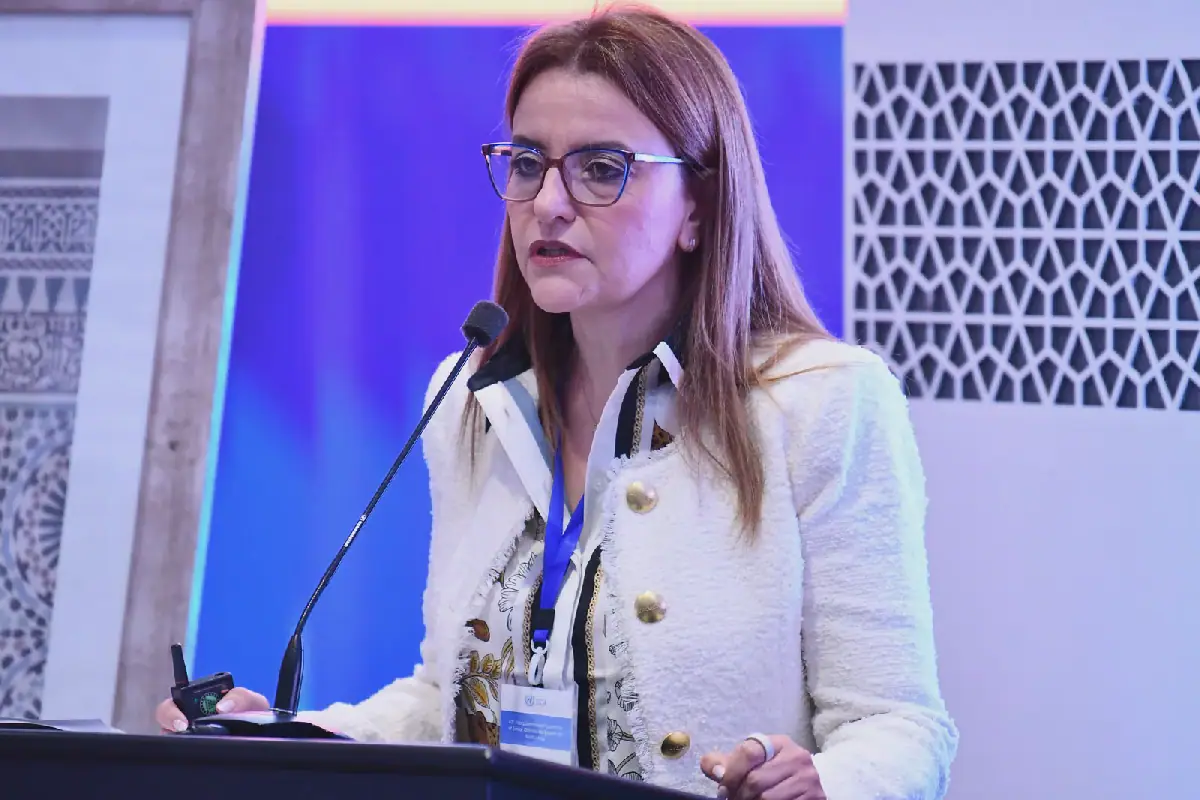
The report identifies several challenges hindering progress, including conflicts, debt service pressures, and a financing deficit estimated at $670-848 billion per year for Africa. The fragmentation of policies also poses a significant challenge. Wafa Aidi, a social specialist at the ECA's North Africa sub-regional office, presented the report, emphasizing the need for a transformation approach to accelerate progress on SDG 17.
A key aspect of SDG 17 is partnerships for achieving the goals. The report notes that the score for SDG 17 has increased by 10% over the past decade, from 66 to 73. However, progress has been uneven, and the mobilization of domestic resources remains a significant challenge. The average tax-to-GDP ratio in the sub-region is 12.2%, below the 15% threshold recommended by the Seville Commitment and the IMF.
There are significant disparities in tax-to-GDP ratios across countries. Tunisia and Morocco have the highest ratios, at 25.26% and 20.78%, respectively, while Libya and Sudan have much lower ratios, at 1.22% and 1.95%. Mauritania's ratio has increased significantly, from 9.75% in 2005 to 15.30% in 2024. The report praises reforms in Morocco, Tunisia, and other countries aimed at improving tax collection and administration.
The report also highlights the importance of external resources, including foreign direct investment (FDI) and remittances. FDI averages 1.8% of GDP in the sub-region, with Mauritania and Egypt having the highest ratios, at 5.43% and 4.23%, respectively. Remittances are more stable than FDI and official development assistance, averaging 3-4% of GDP in the sub-region.
The report concludes that while progress has been made, much remains to be done to achieve SDG 17 and the broader Agenda 2030 and Agenda 2063. The ECA proposes an approach that includes expanding the tax base, aligning public spending with social and economic priorities, and improving debt sustainability and transparency. The report also recommends accelerating the African Continental Free Trade Area (AfCFTA), mobilizing private capital, and strengthening statistical systems.
Key points
- Africa North's score on SDG 17 has plateaued at 64.8/100, despite 10% progress over the past decade.
- The sub-region faces significant challenges, including conflicts, debt service pressures, and a financing deficit.
- The report proposes a transformation approach to accelerate progress on SDG 17, including expanding the tax base and improving debt sustainability.