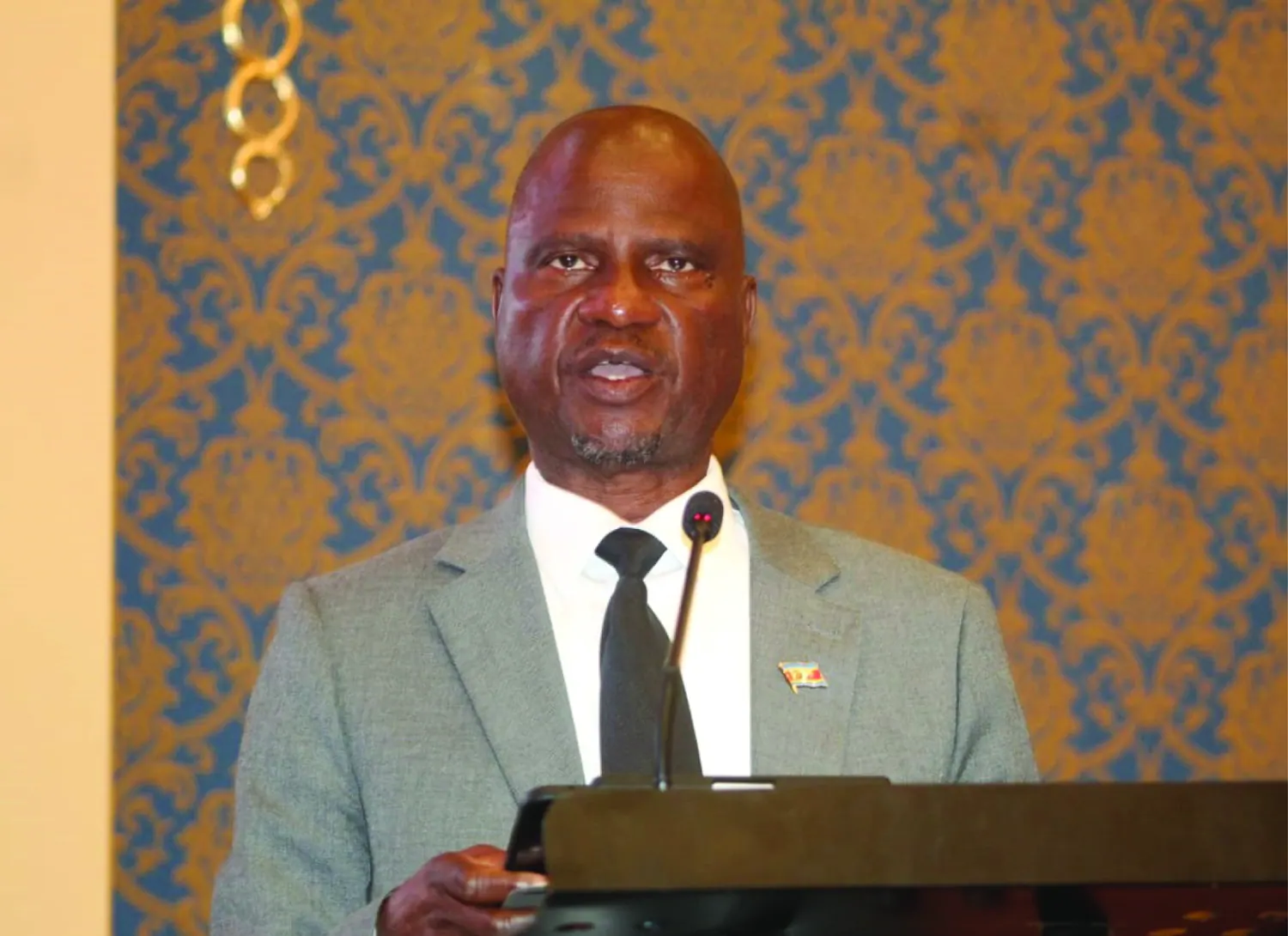
Eswatini's Agriculture Minister Mandla Tshawuka has called on African countries to increase investment in their own seed systems and reduce dependence on imported agricultural technologies. Speaking at the Seed Summit 2026, Tshawuka emphasized that Africa cannot achieve agricultural transformation while relying heavily on external sources for critical agricultural inputs and technologies. He stressed the need for investment in seed research, production, processing, certification, and distribution.
According to Tshawuka, Africa has vast arable land, diverse agroecological systems, a youthful population, and growing food markets, but continues to face challenges in achieving food and nutrition security. Climate change is worsening droughts, floods, heat stress, pests, and diseases, while global disruptions affect the availability and affordability of agricultural inputs. These challenges make investment in seed systems increasingly important as African populations and food demand continue to grow.
Tshawuka highlighted the importance of investment in seed research and innovation in African leaders, scientists, and research institutions. He also emphasized the need for investment in seed multiplication, processing, storage, certification, and distribution, as well as farmers and agro-dealers. African countries need greater capacity to develop seed varieties suited to their climatic conditions, farming systems, nutritional needs, and markets.
The minister urged Africa to move from being mainly a consumer of agricultural technologies developed elsewhere to becoming a developer, producer, and exporter of agricultural knowledge, technologies, and seed. He stressed that stronger coordination is needed between national governments, the African Union, regional economic communities, research institutions, development partners, and the private sector.
Tshawuka called for faster progress on regional approaches to seed regulation, variety development, certification, quality assurance, and the movement of seed across borders. However, he emphasized that such cooperation should protect the interests of farmers within national agricultural systems. Partnerships with international organizations should focus on strengthening African capacity rather than creating permanent dependence.
For Eswatini, the summit presented an opportunity to reaffirm the country's commitment to agricultural transformation. Tshawuka said seed development is an important part of efforts to adopt new technologies, improve productivity, build climate resilience, expand agro-processing, and connect farmers to profitable markets. He also called for greater regional cooperation within SADC and across Africa on markets, climate resilience, information and technology sharing, and finance mobilization.
Tshawuka emphasized that the success of seed systems should ultimately be measured by whether farmers can access quality seed that performs under local conditions, withstands climate variations, and produces crops that can access markets. He also urged stakeholders to ensure that women and young people participate in seed enterprises, agricultural technology, and value chains, and that agriculture is presented to Africa's youth as an investment opportunity rather than an industry of the past.
Key points
- African countries must invest in domestic seed systems to achieve food security.
- Eswatini's Agriculture Minister Mandla Tshawuka called for increased investment in seed research, production, and distribution.
- Africa should move from being a consumer of agricultural technologies to becoming a developer, producer, and exporter of agricultural knowledge, technologies, and seed.