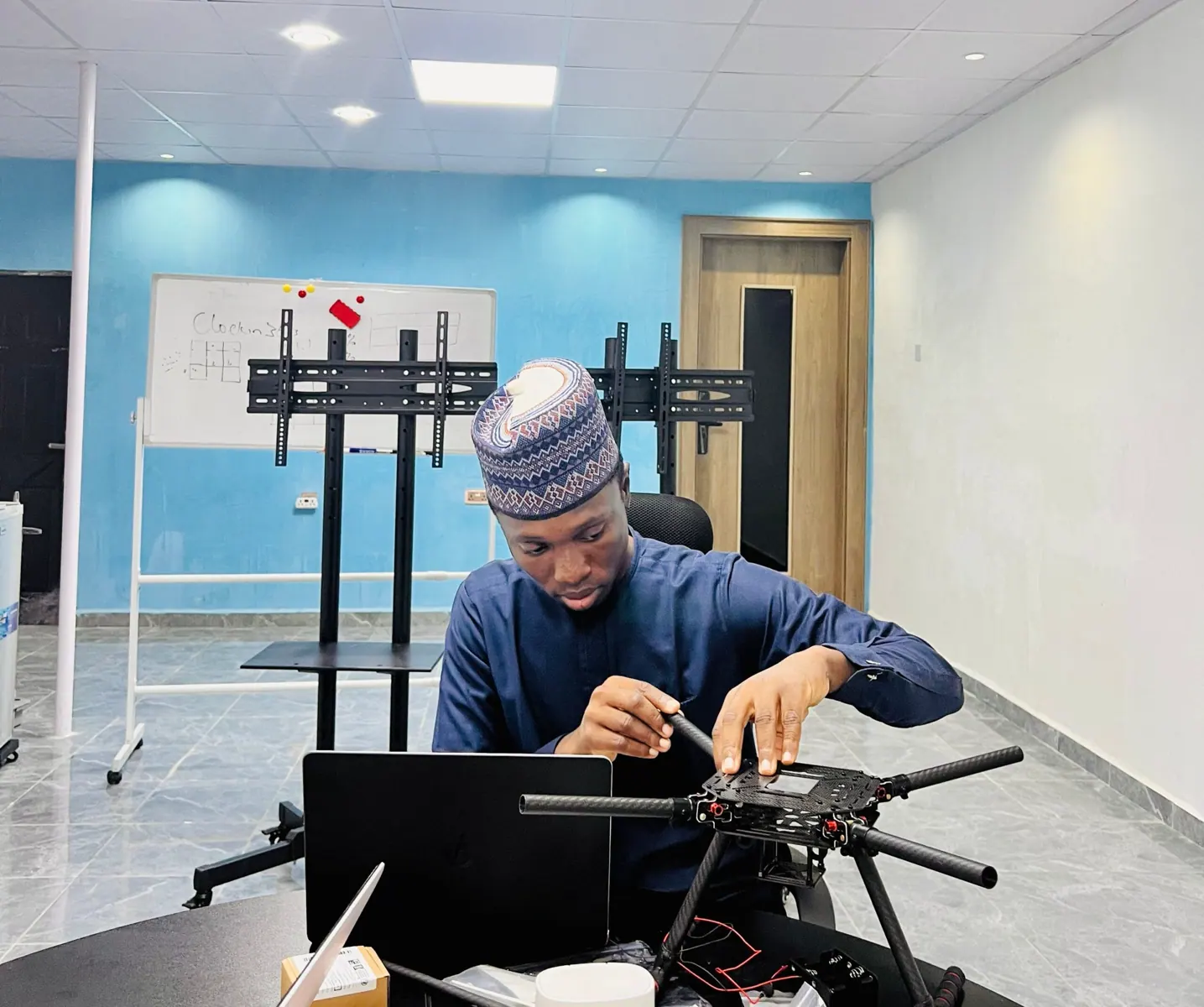
The call for Africa to develop its own solutions to its problems has been gaining momentum. According to Nafiu Yakubu, a technology builder and innovator, the continent must move from dependence to partnership, from consumption to creation, and from adaptation to ownership. This, he argues, is crucial for Africa to effectively tackle its challenges. Yakubu's experience building technology solutions in Nigeria has shown him the importance of designing technology around the people, infrastructure, processes, and economic realities it is intended to serve.
Yakubu emphasizes that Africa should learn from the rest of the world, collaborate, adopt useful technologies, and embrace global knowledge. However, he notes that learning from others should not mean permanently depending on solutions created for environments with different cultures, economies, infrastructure, institutions, and challenges. African realities require African thinking, particularly in areas such as education, healthcare, agriculture, transportation, financial services, technology, security, and public administration.
The need for African solutions is underscored by the unique challenges faced by the continent. From limited financial inclusion to large youthful populations, infrastructure limitations, and distributed communities, African problems often require tailored solutions. Yakubu argues that when African developers build African technology, African entrepreneurs create African businesses, African researchers solve African challenges, and African institutions invest in African innovation, the continent creates more than products – it creates knowledge, employment, intellectual property, capacity, and long-term independence.
The goal, according to Yakubu, is not to reject everything foreign but to move from dependency to partnership, from consumption to creation, and from adoption to ownership. Africa has a young and increasingly technology-driven population, representing an enormous opportunity. The next generation should see themselves as engineers, scientists, entrepreneurs, researchers, designers, innovators, critical thinkers, and problem-solvers capable of creating solutions that can serve Africa and eventually the world.
African solutions should also be built to last, with the capacity to maintain, improve, finance, and scale them. Ownership means responsibility, including investing in local talent, developing institutions, protecting intellectual property, and creating ecosystems where innovation can survive beyond its original founders. When an African solution succeeds, its value should not be limited to Africa – a solution designed for African realities can ultimately become a solution for the world.
Many of the challenges Africa faces are not exclusively African challenges. Solving a difficult African problem can produce one of the world’s most innovative solutions. Yakubu stresses that Africa must believe in its capacity to create and build not because the rest of the world has failed it, but because it understands its realities deeply enough to create something better suited to them.
Africa’s future should be one where it is not merely adapting technology but shaping it, not simply consuming innovation but contributing to it. The continent should build, own, and sustain the products, knowledge, companies, and intellectual property that define the global technology economy. With the right approach, Africa can create solutions that serve its own needs and potentially benefit the world.
Key points
- African innovators are calling for homegrown solutions tailored to the continent's unique realities.
- The goal is to move from dependency to partnership, from consumption to creation, and from adoption to ownership.
- African solutions can ultimately become solutions for the world, addressing challenges that are not exclusively African.