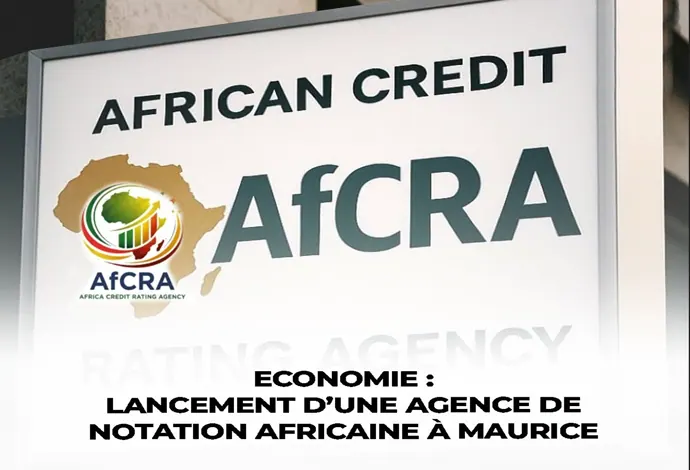
The African continent is taking a significant step towards financial independence with the launch of the Africa Credit Rating Agency (AfCRA). This new agency aims to provide more accurate and contextualized credit ratings for African countries, cities, companies, and institutions. Currently, the global credit rating market is dominated by three major agencies: Moody's, S&P, and Fitch. However, these agencies have been criticized for not fully capturing the economic realities of African nations. AfCRA is backed by the African Union and was established under the supervision of the African Peer Review Mechanism (APRM).
One of the primary motivations behind the creation of AfCRA is the lack of coverage of African countries by the major credit rating agencies. According to the African Union, only 32 out of 55 African countries are currently rated by these agencies, leaving 23 countries without a rating. This lack of coverage can make it difficult for these countries to access international capital markets. AfCRA aims to fill this gap by providing credit ratings for countries, cities, and companies that are not currently rated. The agency will also focus on evaluating the creditworthiness of local governments and companies that have limited or no access to international markets.
AfCRA's founders argue that the existing credit rating methods do not always accurately reflect local economic realities. Factors such as the size of the informal sector, domestic market conditions, data quality, resource mobilization, and the distinction between local and foreign currency debt can all impact creditworthiness. The new agency aims to take these factors into account when assigning credit ratings. However, this does not mean that AfCRA will automatically assign higher ratings to African countries. Debt levels, inflation, budget deficits, and political stability will still be important considerations in determining creditworthiness.
To ensure the credibility of its ratings, AfCRA has been established as a private, self-financing, and independent entity. Governments will not be able to hold shares in the agency, and the APRM will not be involved in its day-to-day management. The agency's governance structure includes mechanisms to prevent conflicts of interest. While AfCRA is now institutionally established, it will take time to start producing ratings. The agency's effectiveness will depend on the regulatory framework in Mauritius, where it is based, and the necessary authorizations.
The ultimate test of AfCRA's success will be whether investors recognize and trust its credit ratings. Banks, funds, insurers, pension funds, and asset managers will need to integrate AfCRA's ratings into their investment decisions. If investors do not accept AfCRA's ratings, the agency's impact will be limited. However, if AfCRA can produce high-quality, independent, and transparent ratings, it could increase competition in the credit rating market and improve the availability of information about African countries and companies.
AfCRA's influence will depend on its ability to produce ratings that are not only more contextualized but also robust enough to be used in long-term investment decisions. The agency's goal is not to simply provide more favorable ratings but to offer a more accurate assessment of creditworthiness. By doing so, AfCRA can help to increase access to capital markets for African countries and companies, promoting economic growth and development.
The launch of AfCRA marks a significant milestone in Africa's quest for financial independence. The agency's success will depend on its ability to establish credibility and trust with investors. If successful, AfCRA could play a critical role in shaping the future of Africa's financial markets.
Key points
- African nations launch Africa Credit Rating Agency to challenge global dominance
- AfCRA aims to provide more accurate and contextualized credit ratings for African countries, cities, companies, and institutions
- The agency's success will depend on its ability to establish credibility and trust with investors