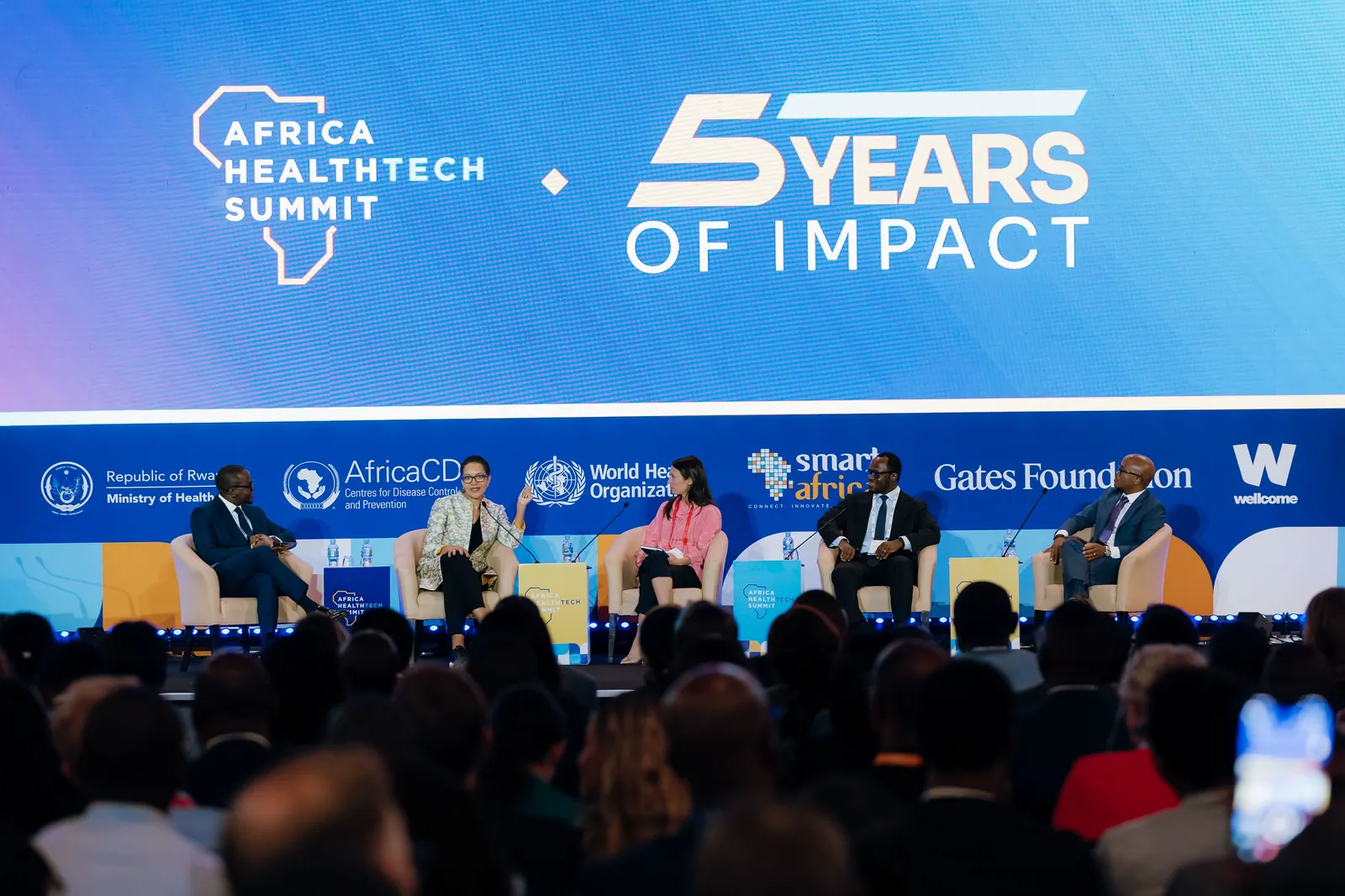
The Africa HealthTech Summit, now in its fifth edition, has opened in Kigali, Rwanda, bringing together African health ministers, technology companies, investors, and public health specialists. The five-day summit, running through October 2, aims to address the challenge of scaling digital health innovations to serve entire populations. With a focus on building health systems around reliable data, connected infrastructure, and technology, the summit seeks to move beyond isolated digital projects.
The shift towards scaling digital health innovations comes as technology rapidly changes the way healthcare is delivered. Artificial intelligence, digital public infrastructure, and data systems are increasingly being used to plan services and support decisions. However, technology alone does not solve the basic problems facing many health systems. Digital platforms need to work with one another, data needs to be reliable, and health workers need to be trained to use new systems.
The summit's theme, "Wellness for All, Powered by Intelligent Health Systems," reflects the emphasis on building intelligent health systems around trusted information, interoperable infrastructure, and accountable decision-making tools. The focus is also shifting from treating illness to preventing it, with a program that puts primary healthcare, nutrition, physical activity, and mental health alongside digital technology. The summit also focuses on sexual and reproductive health and the growing burden of noncommunicable diseases.
With Africa home to about 1.4 billion people, expected to account for a quarter of the world's population by 2050, the question is whether countries can build systems capable of keeping pace. Jean Kaseya, director general of the Africa Centres for Disease Control and Prevention, said the summit aims to help turn policy decisions into functioning health infrastructure. "This convening turns policy intention into deployed health infrastructure, that is rare, and Africa needs more of it," he said.
The summit's four main areas of discussion are preventive health and wellness, primary healthcare, sexual and reproductive health, and noncommunicable diseases and mental health. Participants will also examine how governments can move successful health technology projects into public systems, including questions of investment. The organisers want financing for health innovation to be tied more closely to evidence, procurement, and measurable results rather than simply the creation of new technology.
The Kigali meeting has grown significantly since its inception in 2022, with 2,601 delegates from 65 countries attending last year's meeting. This year's summit is organised by DALA Africa with Africa CDC, Rwanda's Ministry of Health, and other continental and international institutions. High-level attendees include Rwanda's State Health Minister Dr Yvan Butera, Uganda's Health Minister Chris Baryomunsi, and Angola's Health Minister Sílvia Paula Valentim Lutucuta.
The central issue remains making existing innovations work at scale, rather than showcasing new technology. For governments across Africa, the next stage of the digital-health transition may depend not on how many new tools are developed, but on whether those tools can become part of health systems that people already rely on. The summit includes a Wellness Discovery Village, presenting activities around nutrition, movement, mental resilience, and healthy environments.
Key points
- The Africa HealthTech Summit aims to address the challenge of scaling digital health innovations to serve entire populations.
- The summit focuses on building health systems around reliable data, connected infrastructure, and technology that can be used at national scale.
- The emphasis is shifting from treating illness to preventing it, with a focus on primary healthcare, nutrition, physical activity, and mental health.