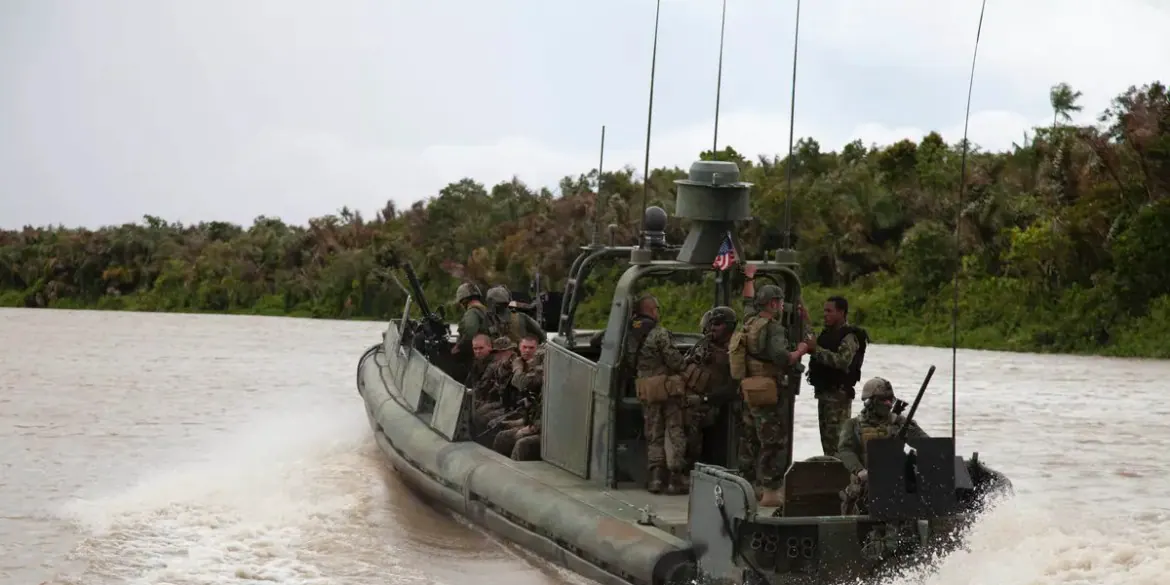
The concept of gunboat diplomacy, once associated with the British Royal Navy and US Commodore Matthew Perry's arrival in Japan with warships in 1853, has evolved. Today, African nations face diplomatic pressure without the presence of gunboats. The United States has imposed restrictions on entry to the country, affecting several African nations. A June 2025 proclamation restricted entry for nationals of seven African countries, including Chad, the Republic of the Congo, and Sudan.
The US restrictions have been expanded to include more African countries. In December, a further expansion added Burkina Faso, Mali, and Niger to the list, while imposing partial restrictions on others, including Nigeria, Senegal, and Tanzania. These measures have exceptions but demonstrate the power that comes with controlling access. The restrictions have sparked concerns over sovereignty and the ability of African governments to make independent choices.
South Africa offers a revealing case study of the US approach. On September 15, US Secretary of State Marco Rubio announced visa restrictions targeting individuals involved in policies that enable uncompensated land seizures, racial discrimination, or incitement of violence against minority groups. The restrictions are vague, relying on a provision that gives Rubio wide discretion to bar people whose entry is deemed harmful to US foreign policy interests.
The ambiguity of the visa restrictions has raised concerns among analysts. Prof. Piet Croucamp, a political analyst from North-West University (NWU), says the restrictions are an instrument of political leverage. He notes that the restrictions are less a precise legal instrument than a flexible political stick that can be used selectively. Croucamp suggests that Julius Malema, a prominent South African politician, may be a principal target.
The implications of the US approach extend beyond South Africa. African governments are concerned that access to a powerful country like the US is becoming conditional on accepting its interpretation of domestic policy, diplomatic priorities, and preferred partnerships. The dispute between the US and South Africa over land seizures and racial discrimination illustrates how quickly these questions overlap.
The US approach has also been criticized for its potential to escalate tensions. Croucamp warns that targeting individuals through visa restrictions makes it easier to escalate to trade measures, which would hurt far more people than a visa ban. Changes to the African Growth and Opportunity Act (AGOA) access or tariffs would have significant economic implications for South Africa and other African countries.
Africa's answer to the new era of diplomatic pressure requires stronger economies, more trading partners, and more trade within the continent. The African Continental Free Trade Area aims to create a single market for goods and services and deepen the continent's economic integration. Making that ambition work would also strengthen Africa's ability to negotiate and resist external pressure.
Key points
- The US has imposed visa restrictions on several African countries, sparking concerns over sovereignty and diplomatic pressure.
- The restrictions have been criticized for their ambiguity and potential to escalate tensions.
- Africa's response requires stronger economies, more trading partners, and more trade within the continent.