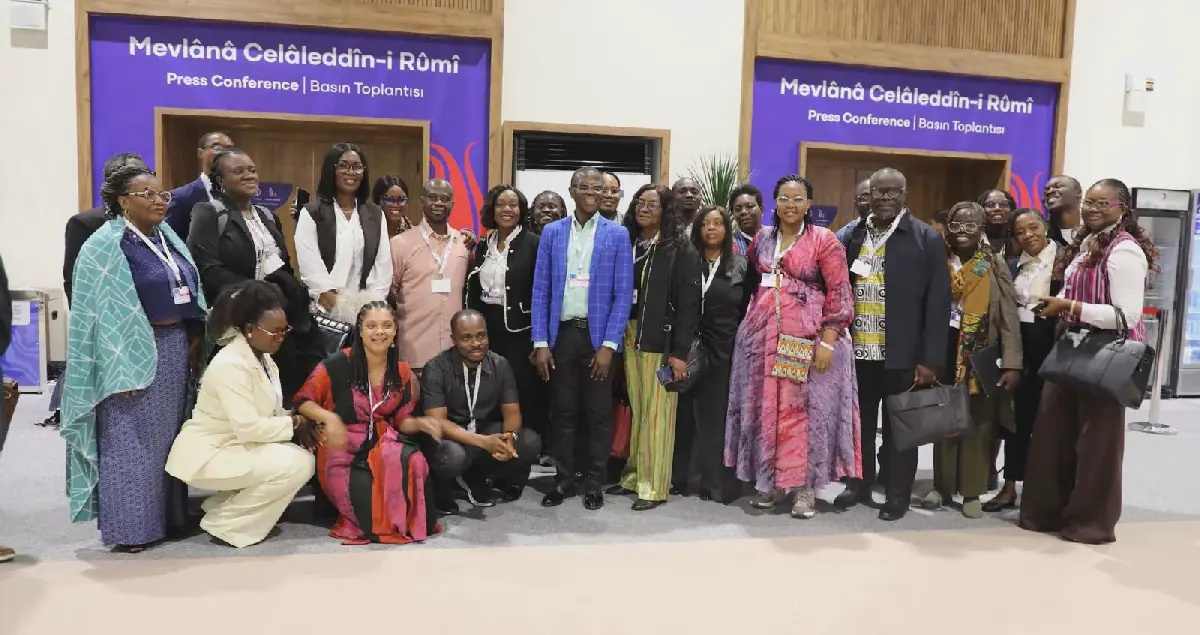
The African Group of Negotiators (AGN) is urging developed countries to honour their climate finance pledges and ensure that commitments under the Paris Agreement translate into tangible action, particularly in developing countries. The group says that despite the continent's growing climate vulnerabilities, adequate financial support is not being provided. This comes as the world marks ten years since the adoption of the Paris Agreement, with global efforts to limit temperature rise to 1.5 degrees Celsius increasingly threatened.
Chair of the AGN, Nana Dr Antwi-Boasiako Amoah, has identified three key agenda items for consideration at the 31st United Nations Climate Change Conference (COP31): replenishment of the Green Climate Fund (GCF), climate change and trade, and adaptation finance. He expressed concern that climate vulnerabilities and the need for support are increasing, while financing for climate action in developing countries continues to decline. This situation is particularly worrying, according to Dr Amoah, as it undermines the continent's ability to address climate change effectively.
Dr Amoah said Africa wants COP31 to move beyond rhetoric and demonstrate concrete progress in implementing climate commitments. He also identified the establishment of a Just Transition Mechanism as a key priority for the continent, saying Africa wants a clearly defined structure to guide a fair and inclusive transition. This mechanism is crucial for ensuring that the transition to a low-carbon economy is equitable and does not leave any country or community behind. The AGN is pushing for a Just Transition Mechanism that takes into account the needs and concerns of African countries.
The AGN Lead Negotiator on Just Transition and Health, Dr Ama Essel, called for health to be mainstreamed into climate negotiations and implementation, stressing that it should be treated as a central pillar of the climate change discourse. She said the African Group is seeking to strengthen the integration of health into discussions on adaptation, loss and damage, and other relevant negotiation areas. This is crucial, as climate change has significant implications for human health, and Africa wants to ensure that health considerations are fully integrated into climate decision-making.
Dr Essel also raised concerns about the impact of unilateral climate policies on African economies, particularly the European Union's Carbon Border Adjustment Mechanism (CBAM). She said such measures could affect the competitiveness of African economies and undermine their development plans, calling for stronger safeguards and dialogue before their implementation. The AGN is working to strengthen the capacity of African countries to assess and model the economic implications of such measures, including their effects on trade, poverty eradication, and access to critical minerals.
A high-level ministerial event on Response Measures is scheduled for November 17 to discuss the implications of such policies for African and other developing countries. This event will provide a platform for countries to share their experiences and concerns about the impact of unilateral climate policies on their economies. The AGN is also working to ensure that the concerns of African countries are taken into account in the development of global climate policies.
Meanwhile, Lead of the Global Stocktake for the AGN and the Ghanaian delegation, Yao Osafo, said Africa wants the second Global Stocktake to place greater emphasis on implementation, delivery, and equity, particularly in addressing the financing gaps facing developing countries. He said the continent will insist on fairness, considering its relatively low contribution to global emissions. The Global Stocktake is a critical process that will assess the progress made towards achieving the goals of the Paris Agreement and identify areas for improvement.
Key points
- The African Group of Negotiators is pushing for increased climate finance, fairer trade policies, and stronger implementation of global climate commitments at COP31.
- The group wants developed countries to honour their climate finance pledges and ensure that commitments under the Paris Agreement translate into tangible action.
- Africa is seeking to establish a Just Transition Mechanism to guide a fair and inclusive transition to a low-carbon economy.
Reporting sources
- Africa demands climate finance, fair trade and stronger implementation at COP31 · Ghana Broadcasting Corporation