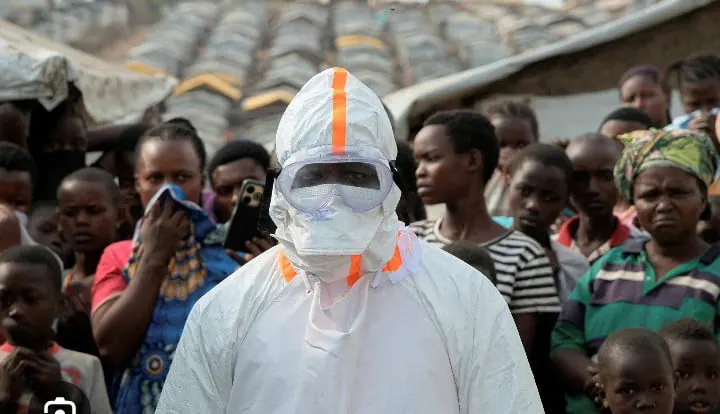
The World Health Organization (WHO) was alerted to a high-mortality outbreak of unknown illness in Ituri Province, Democratic Republic of Congo (DRC), on May 5. Laboratory analysis confirmed Bundibugyo virus disease on May 15, and DRC declared its 17th Ebola outbreak that day. Unlike Ebola virus disease, Bundibugyo has no licensed vaccine or specific therapeutics.
As of August 1, WHO officials cited 3,748 confirmed cases, including 1,657 deaths. Africa CDC and WHO launched a joint response plan seeking US$518 million for June to November. The response plan aims to address the outbreak and prevent further spread of the disease. The outbreak has also reached Uganda, highlighting the need for coordinated response efforts.
African scientists played a crucial role in the response to the outbreak. Researchers at the Institut National de Recherche Biomédicale (INRB) in Kinshasa analyzed blood samples and delivered a diagnosis within days: Bundibugyo ebolavirus. The INRB is led by Jean-Jacques Muyembe, a Congolese microbiologist known for his work on the discovery, prevention, and treatment of Ebola.
The PARTNERS clinical trial opened enrollment in DRC on July 2, testing a monoclonal antibody (MBP134) and remdesivir, alone and combined, to see whether they improve survival. The trial is sponsored by WHO and coordinated by the INRB with Belgium's Institute of Tropical Medicine and the University of Oxford. Africa CDC is also supporting the trial.
In Uganda, the Uganda Virus Research Institute (UVRI) is in discussions to test two candidate Bundibugyo vaccines in phase one and two trials. UVRI scientists also helped identify the strain during the 2007 outbreak. The institute's director, Prof Pontiano Kaleebu, clarified that UVRI is not developing a new Bundibugyo vaccine itself.
West African laboratory scientists gathered in Lomé, Togo, for a conference on September 16, highlighting the need for strengthened outbreak detection and diagnostic capacity. They warned that health systems across the region are weakening and urged governments to invest in diagnostic capacity, citing lessons from Ebola and COVID-19.
The African-led work in Kinshasa, Kampala, and Lomé shows the capacity exists to respond to outbreaks. However, the test is whether governments fund it before the next outbreak. The outbreak highlights the need for improved preparedness, coordination, and investment in health systems to prevent and respond to future outbreaks.
Key points
- The 2026 Bundibugyo virus disease outbreak has prompted a response from Africa CDC and WHO, with 3,748 confirmed cases and 1,657 deaths reported as of August 1.
- African scientists are playing a crucial role in the response to the outbreak, including researchers at the Institut National de Recherche Biomédicale (INRB) in Kinshasa.
- The outbreak highlights the need for improved preparedness, coordination, and investment in health systems to prevent and respond to future outbreaks.