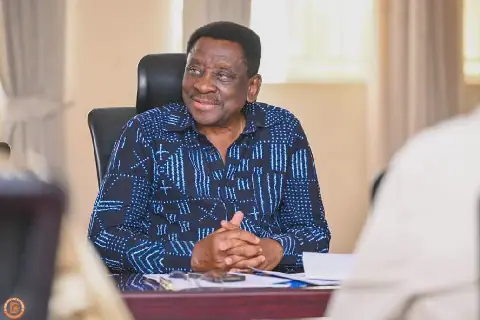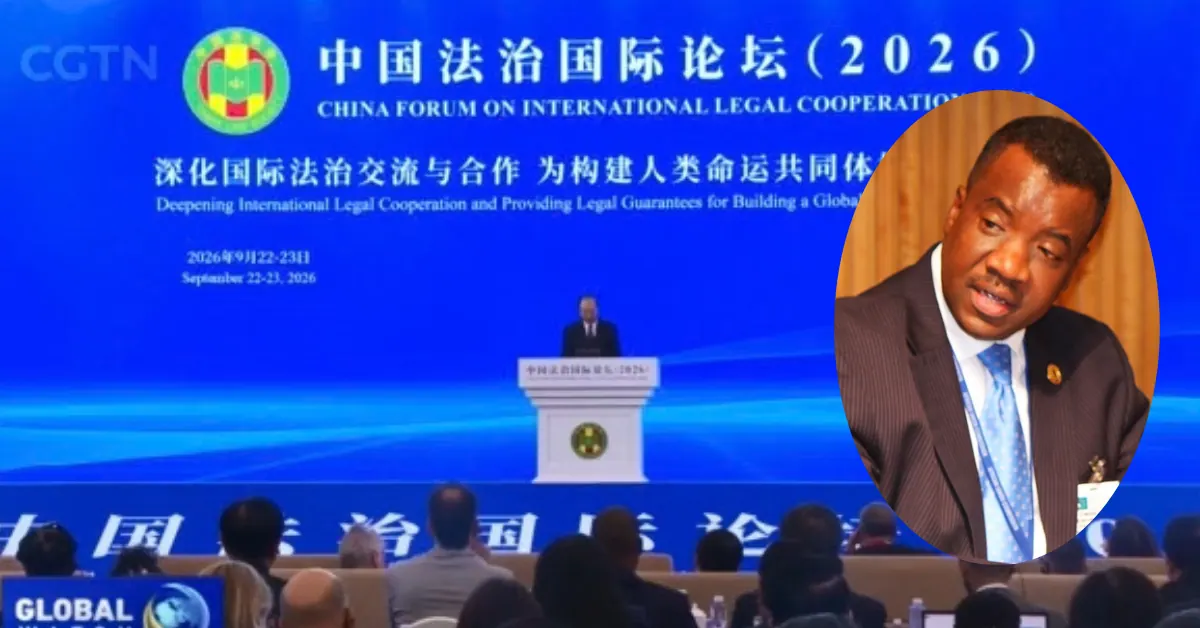
African Union Ambassador to China, Alhaji Sarjoh Bah, has called for reforms to the global economic rules governing critical minerals. He made this call during the China Forum on International Legal Cooperation in Shenzhen on September 22. Bah emphasized that Africa should capture more value from resources driving the energy and digital transitions. The continent is rich in minerals such as lithium, cobalt, nickel, and rare earth elements, crucial for renewable energy, electric vehicles, and digital technologies.
Bah argued that Africa should move beyond exporting raw materials toward processing, manufacturing, and other higher-value activities. He linked this objective to broader reforms in global governance, seeking a stronger voice in decisions affecting mineral pricing, supply chains, technology transfer, and processing locations. The ambassador proposed developing a China-Africa legal cooperation framework for critical minerals, focusing on investment contracts, responsible mining, environmental protection, and dispute resolution.
The proposal comes as the AU seeks to strengthen continental approaches to mineral development. Bah referenced existing frameworks such as the Africa Mining Vision, the African Continental Free Trade Area, and the AU’s Africa Green Minerals Strategy. These frameworks aim to increase value addition and support industrial development. The AU has identified regional value chains and increased market access as priorities in its economic engagement with China.
In April, the AU said its mission in China was working with African ambassadors to strengthen Africa’s ability to benefit from China’s tariff-free market access offer and expand production capacity. Bah emphasized that African governments need sufficient policy space to manage natural resources according to their development priorities. Investors, on the other hand, require predictable rules on licensing, taxation, contracts, property rights, and dispute resolution.
Bah advocated for greater compatibility between China and Africa’s legal frameworks while maintaining fair, predictable, and mutually beneficial rules. He stressed that closer China-Africa legal cooperation should not require the two sides to adopt identical legal systems. This proposal places legal cooperation alongside industrial policy as a potential tool for determining how much economic benefit African countries receive from their natural resources.
The growing demand for critical minerals makes this issue increasingly important. Africa’s mineral wealth is crucial for the global transition to renewable energy and digital technologies. The AU’s efforts to strengthen continental approaches to mineral development aim to ensure that Africa benefits from its natural resources. Bah’s proposal for a China-Africa legal cooperation framework is a step towards achieving this goal.
The African Union’s push for greater value addition in the critical minerals sector is a key aspect of its economic engagement with China. The outcome of this initiative will likely have significant implications for Africa’s economic development and its relationship with China. As the global demand for critical minerals continues to grow, the need for a fair and mutually beneficial framework for their trade and development becomes increasingly pressing.
Key points
- African Union Ambassador Alhaji Sarjoh Bah calls for reforms to global economic rules governing critical minerals.
- Bah proposes developing a China-Africa legal cooperation framework for critical minerals.
- The AU seeks to strengthen continental approaches to mineral development and increase value addition.