The Africa Centres for Disease Control and Prevention (Africa CDC) has announced that a high-level, multidisciplinary team will visit Kenya to provide support following the country's first imported case of Bundibugyo Ebola Virus Disease and the subsequent death of the patient. This move comes after Kenya reported the case, which was confirmed by Health CS Aden Duale. The patient had traveled from the Democratic Republic of Congo (DRC) to Uganda and then flew to Kenya.
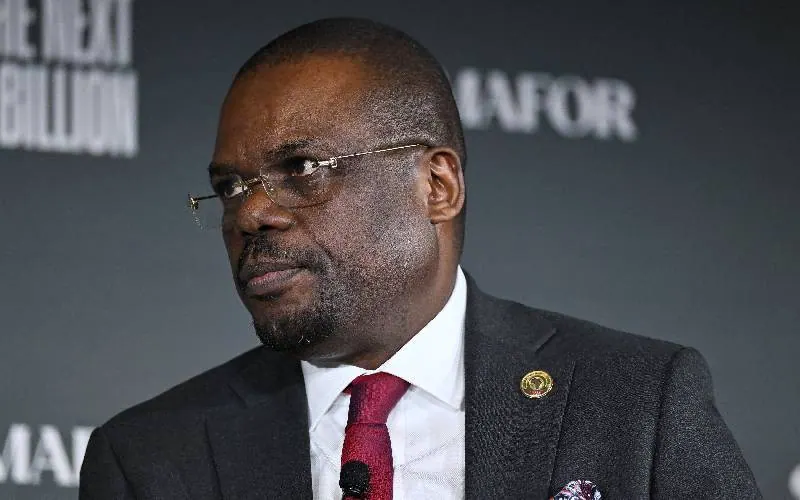
Africa CDC Director General Dr. Jean Kaseya expressed condolences to the family and loved ones of the deceased and the Kenyan government. He commended the Kenyan authorities for their rapid measures and reiterated Africa CDC's full support. Dr. Kaseya will personally travel to Kenya to assess the needs of the response and determine any additional support required. The team will work with Kenyan authorities to enhance the response efforts and provide guidance on infection prevention and control measures.
The patient, who had been living in the DRC for seven years, traveled to Uganda by road before boarding a Nairobi-bound Jambo Jet flight. Kenyan authorities have identified 28 contacts, including family members and health workers, and are tracing a further 23 passengers and crew members from the flight. The Africa CDC commended the rapid identification, isolation, and testing of the patient. The center noted that Kenya had been maintaining a high level of vigilance since the beginning of the outbreak.
Dr. Kaseya also spoke with Ugandan authorities, expressing encouragement over their immediate action to identify and isolate all contacts linked to this case. The confirmation of the Ebola case and death underscores the importance of sustained preparedness across the region, including stronger surveillance and cross-border information sharing. This also includes laboratory readiness, rapid response capacity, and infection prevention and control measures.
Africa CDC is working with Member States and partners to support coordinated preparedness and response efforts while strengthening support to countries affected by or at risk from the outbreak. The case highlights the continued regional risk linked to transmission in the DRC. The DRC government has made efforts to contain the outbreak, but more than 70% of new cases are still being detected in the community among people who had not previously been identified, listed, and followed as contacts.
Africa CDC called on the DRC government to accelerate the implementation of a village- and community-centered approach, including active case finding, systematic identification of contacts, daily follow-up, and stronger community engagement. Dr. Kaseya emphasized that the response must be African-led, united, transparent, and centered on communities. The goal is to interrupt the outbreak by knowing where every contact is, following them, and rapidly identifying anyone who develops symptoms.
The international community has raised Sh376 billion to support the Ebola response in the DRC, with Africa CDC calling for greater transparency on resources pledged, disbursed, received, and used. Dr. Kaseya stressed that every dollar mobilized for this outbreak must be traceable to the results it produces on the ground, emphasizing the importance of transparency in protecting the confidence of communities, governments, and partners.
Key points
- Africa CDC to send a multidisciplinary team to Kenya to provide support and assess response needs following the first Ebola case and death.
- The team will work with Kenyan authorities to enhance response efforts and provide guidance on infection prevention and control measures.
- Africa CDC emphasizes the importance of sustained preparedness across the region, including stronger surveillance and cross-border information sharing.