The African Centres for Disease Control and Prevention (Africa CDC) has strongly condemned the recent attack by the Allied Democratic Forces (ADF) on civilians in Cantine, North Kivu, Democratic Republic of Congo. The attack, which occurred on November 5, 2026, resulted in multiple civilian casualties and raised concerns about the impact on the ongoing Ebola outbreak in the region. Africa CDC expressed its condolences to the families of the victims and solidarity with the injured, displaced, and affected communities.
The attack has significant implications for the Ebola response efforts in the area. According to Africa CDC, the assault on healthcare facilities and the subsequent flight of patients, including those with confirmed or suspected Ebola infections, poses serious public health risks. The organization emphasized that any disruption to patient care, contact tracing, and disease surveillance during an epidemic increases the risk of further spread. Africa CDC called for the establishment of a peace corridor to ensure the protection of civilians, patients, healthcare workers, and facilities.
Dr. Jean Kaseya, Director-General of Africa CDC, expressed his sadness and outrage over the attack. He highlighted the additional risks posed by the interruption of healthcare services, contact tracing, and epidemiological surveillance in communities already affected by the epidemic. Dr. Kaseya urged for the urgent establishment of a peace corridor to safeguard civilians, patients, healthcare professionals, and facilities. He also stressed the need for humanitarian teams to access affected communities safely.
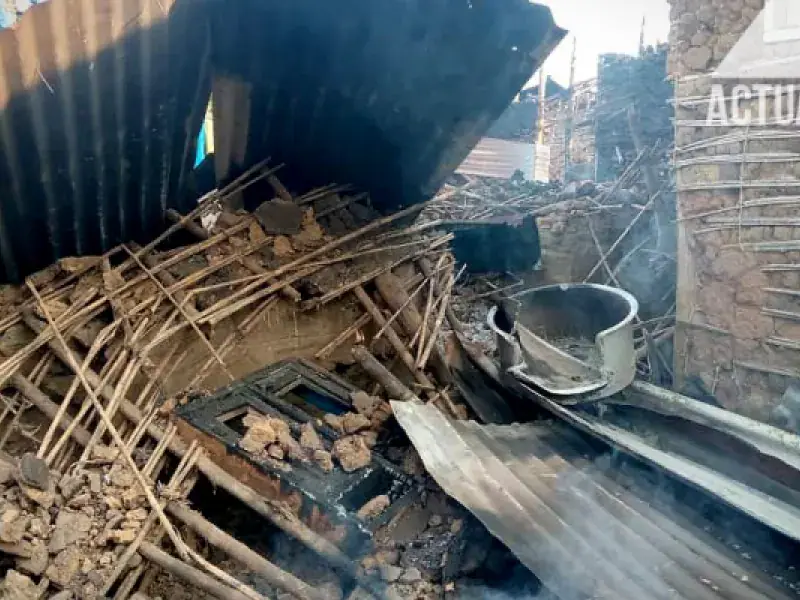
The attack on Cantine resulted in at least 33 deaths, according to Tchetche Aliamini, president of the Baswagha-Lubena civil society forces. The assailants launched a nighttime incursion into several Cantine neighborhoods, burning over 100 houses, motorcycles, a vehicle, shops, pharmacies, and health posts. Many residents fled the area following the attack. The consequences of the assault were also felt in local healthcare facilities, with at least 180 patients fleeing the Kelekele hospital, including those suspected of having Ebola.
Africa CDC reiterated its solidarity with the Congolese people and reaffirmed its commitment to collaborating with national authorities and partners to support the Ebola response, strengthen disease surveillance, and protect affected communities. The organization emphasized that all parties must respect the protection afforded to healthcare services under international humanitarian law. The attack has exacerbated concerns about the security of healthcare facilities and personnel in conflict-affected areas.
The situation in Cantine and surrounding areas remains volatile, with ongoing security concerns and the risk of further violence. The Ebola outbreak in the region continues to pose a significant public health threat, with efforts to contain the disease complicated by the security situation. Africa CDC and other health organizations are working to mitigate the impact of the attack and maintain the continuity of essential healthcare services.
The international community has expressed concern over the situation in the Democratic Republic of Congo, where ongoing conflict and insecurity are complicating efforts to respond to the Ebola outbreak. Africa CDC's condemnation of the ADF attack and warning of Ebola risks underscores the need for a coordinated response to address the complex humanitarian and health challenges in the region.
Key points
- Africa CDC condemns the ADF attack in Cantine, warning of Ebola risks due to interrupted healthcare services and patient flight.
- The attack resulted in multiple civilian casualties and significant disruption to healthcare services, including the flight of patients with confirmed or suspected Ebola infections.
- Africa CDC calls for a peace corridor to protect civilians, patients, healthcare workers, and facilities, and for respect for the protection afforded to healthcare services under international humanitarian law.